



Inter-American Development Bank Approves $1.2B Clean Energy Corridor Linking Southern Cone Power Grids
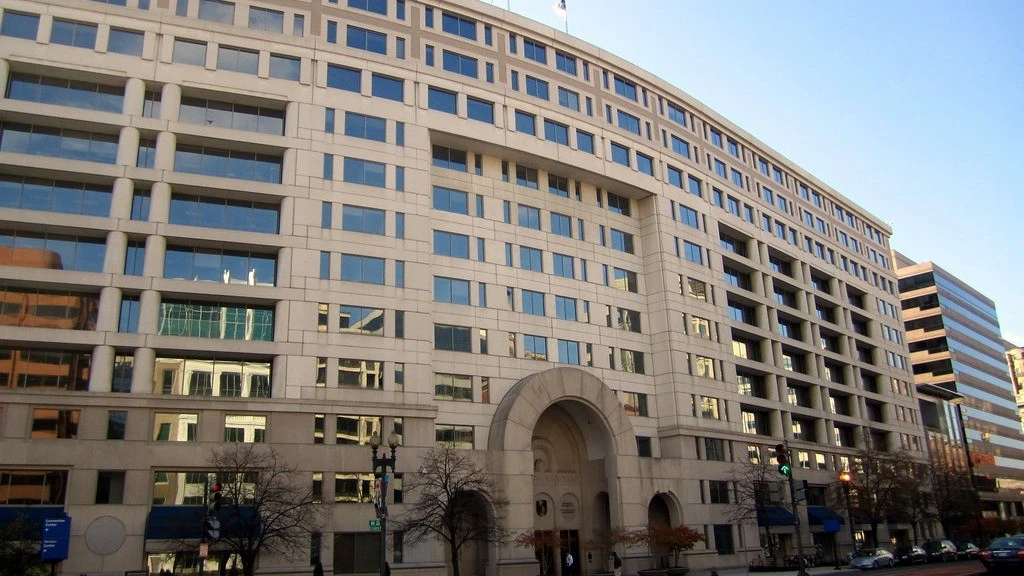
The Inter-American Development Bank formalized a breakthrough $1.2 billion capital facility on November 8, 2026, funding an interconnected high-voltage transmission corridor to exchange renewable solar and wind power between Chile, Argentina, and Brazil.





 ECONOMY
In a watershed milestone for continental energy autonomy and green industrialization, the Board of Executive Directors of the Inter-American Development Bank (IDB) approved a landmark 1.2-billion-dollar sovereign-backed financing package on November 8, 2026, inaugurating the construction of the 'Southern Cone Clean Energy Super-Corridor'. The multinational transmission infrastructure project will establish a synchronized, ultra-high-voltage direct-current (UHVDC) electrical spine bridging the renewable energy generation epicenters of northern Chile, western Argentina, and southern Brazil.
Spanning over 2,400 linear kilometers across high-altitude Andean mountain passes and agricultural plains, the bi-directional transmission system addresses one of Latin America's most glaring macroeconomic paradoxes: while the Atacama Desert generates the world's highest photovoltaic solar yields during daylight hours and Patagonian wind corridors produce continuous renewable gigawatts, localized grid congestion has routinely forced national utilities to curtail clean power while adjacent metropolitan industrial centers burn imported fossil fuels.
The newly ratified IDB facility provides sovereign credit guarantees and blended concessionary capital channeled directly to a consortium of regional grid operators, including Chile's Coordinador Eléctrico Nacional, Argentina's CAMMESA, and Brazil's Operador Nacional do Sistema Elétrico (ONS). Under the operational protocols finalized over the weekend, the transmission corridor will allow Chile to export up to 3,500 megawatts of surplus solar energy eastward during peak noon hours to supply industrial manufacturing hubs in São Paulo and Córdoba, while Brazil's colossal hydroelectric reservoirs and Argentina's wind complexes will reverse transmission westward during evening peak demand periods.
'This is not merely a technical infrastructure undertaking; it represents the long-awaited practical realization of integrated South American economic solidarity,' declared IDB President Ilan Goldfajn during the formal signing ceremony convened at the bank's headquarters. 'By interconnecting national power architectures, we are slashing regional wholesale electricity tariffs by an estimated twenty-two percent, de-risking private industrial investments, and preventing more than fourteen million metric tons of greenhouse gas emissions annually.'
Macroeconomists project that the lower electricity costs and heightened grid reliability unlocked by the super-corridor will provide an immediate competitive boost for regional nearshoring clusters, most notably green steel foundries, certified low-carbon data centers, and advanced lithium hydroxide processing facilities currently ramping up production along the Southern Cone mineral belt. European and North American multilateral development partners, including the European Investment Bank (EIB) and the German KfW development bank, contributed 450 million euros in parallel concessionary debt to co-finance specialized smart-grid substations.
With engineering contracts slated for tender before the end of the year and full commercial operations scheduled for early 2029, the Southern Cone Super-Corridor stands as definitive proof that regional coordination can convert South America's incomparable natural endowments into shared, sustainable economic prosperity.
Analyzes political developments, elections, and government policy with in-depth reporting.
Just for You
 ECONOMY
Central Bank of Brazil Intervenes in Spot Currency Market as Latin American Foreign Exchange Slumps
Confronting sharp volatility driven by rising global interest rate expectations, the Central Bank of Brazil ex…
 ECONOMY
ECLAC Social Panorama 2026 Report Warns Rapid Aging and Labor Informality Threaten Regional Pension Solvency
Releasing its flagship Social Panorama of Latin America 2026 in Santiago on November 19, the United Nations Ec…
 ECONOMY
World Bank Approves Landmark 30 Million Dollar Carbon Market Operation for Ecuador Under Paris Agreement
In a pioneering climate finance milestone on November 18, 2026, the World Bank Group approved a $30 million op…
 ECONOMY
Latin American Mining Leaders Forge Strategic Regional Minerals Observatory at Washington Summit
At the high-level Americas Critical Minerals Leadership Summit in Washington, D.C., on November 16–17, 2026, L…
Comments (0)
Sign in or create an account to leave a comment.