



US Sends Thousands of Mexican Deportees Through Guatemala Under Expanded Third-Country Policy
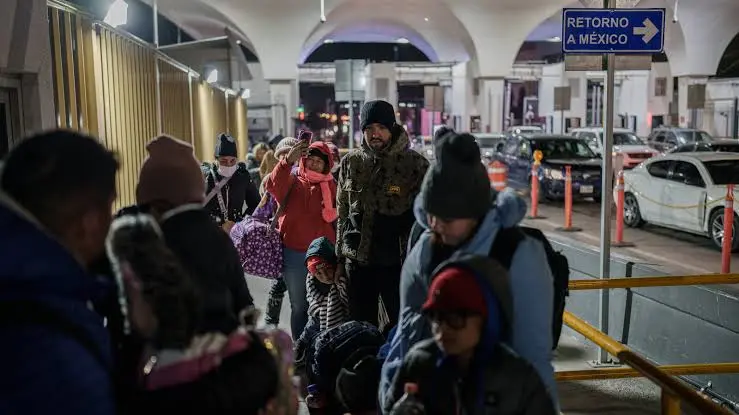
The Trump administration has sent about 2,300 Mexican nationals to Guatemala after their deportation from the United States, before they are transferred onward to Mexico. The expanded third-country deportation strategy has drawn criticism from Mexico and migrant rights groups while increasing Guatemala’s role in U.S. immigration enforcement across Latin America.





 ECONOMY
The Trump administration has greatly escalated its third-country deportation strategy by deporting some 2,300 Mexican nationals to Guatemala after deporting them from U.S. soil. Mexico and migrant rights groups have condemned the policy, but U.S. officials say it strengthens immigration enforcement.
Mexican deportees arrived on flights that also carried Guatemalans expelled from the United States, Guatemalan officials said. Most of the Mexican nationals living in Guatemala were there on a temporary basis, prior to being repatriated to Mexico.
The policy represents a shift from previous practice, in which Mexican nationals deported from the United States were usually returned directly to Mexico. The expanded approach sends some migrants first to another country and then on to their final destination.
The deal has sparked another round of debate over immigration enforcement, international agreements and rights of deported migrants.
U.S. Broadens Practice of Deporting to Third Countries
The deportations are part of a larger strategy adopted by the Trump administration which relies on third countries taking migrants who are removed from the United States.
The policy permits people to be transferred to a country other than their country of nationality before being returned to their country or undergoing further processing. Supporters say it provides enforcers with more options, and discourages illegal migration.
Bernardo Arévalo, president of Guatemala, said the Mexicans would not be permanently settled in Guatemala. Instead, they were transferred to Mexico often within 24 hours of arrival.
Either the United States or Mexico paid for the transport costs under the deal, the Guatemalan government said.
The policy has been criticized because historically Mexican nationals removed from the United States have been sent to Mexico.
Mexican officials have opposed the procedure, saying Mexican citizens have a right to go straight back to Mexico.
It reveals the increasing role that Central American countries are playing in the enforcement of US immigration laws.
Mexico Closes Deportation Path
Mexico has protested Guatemalan passage of its citizens returning home.
Mexican officials said they were working to ensure the safe return of deported citizens and that nationals should not be refused entry into Mexico.
The row is emblematic of broader tensions between Washington and Mexico over immigration policy.
Mexico has worked with the U.S. on immigration enforcement but officials have pushed back against policies they see as unfair or inconsistent with current practices.
The Trump administration has called for stronger enforcement to discourage illegal migration and repeat border crossings.
Advocates of third countries say they create uncertainty and limit access to legal protections.
Concerns have been raised by human rights groups about the extent to which deportees are fully informed about their destination and their legal rights.
The question has become embroiled in a broader debate about how countries are handling migration flows, balancing security concerns with humanitarian responsibilities.
U.S. Immigration Policy in Guatemala
Guatemala has become a more active player in the implementation of U.S. immigration policy even as Washington seeks arrangements with partners in the region.
The country has also worked with the United States in the past on deportation flights and migration management.
Guatemalan authorities have emphasized that the deportees from Mexico were just transiting the country, not settling there.
This deal puts Guatemala in a delicate spot.
Cooperation with the U.S. could improve diplomatic relations and provide financial assistance, but acceptance of deportees from other countries has created political and humanitarian problems.
Guatemalan officials have been keen to stress that the process is not a permanent “safe third country” deal, with migrants being sent onward, not left in Guatemala.
The move is part of a broader trend of the US working with governments in Latin America to manage migration away from the US-Mexico border.
Guatemala, Honduras and other countries have become more and more important partners in the regional migration policy.
Human Rights and Legal Issues Critics Cite
Migrant advocacy groups and some legal experts have blasted the expansion of third country deportations.
But critics caution that shuffling migrants around countries with which they have tenuous links could be dangerous.
They also ask whether deportees have sufficient legal representation and whether their individual circumstances are considered before they are removed.
Supporters of the policy argue governments have the right to enforce immigration laws and that there are other options for deportation that make the process of mass deportation easier.
The debate is part of a continuing argument about US immigration priorities.
Republican leaders have put border enforcement, removals and deterrence at the top of their agenda.
Immigration advocates have called for more focus on asylum processes, legal pathways and protections for vulnerable migrants.
Recent deportation transfers show how immigration policy is increasingly extending beyond the traditional focus on border enforcement.
This is a story not only of growing government intervention in the region’s migration flows but also of the US-Mexico border.
Devolution of Immigration Policy
The flow of Mexican deportees through Guatemala is a microcosm of how U.S. immigration policies are straining relations throughout Latin America. Migration is no longer only a U.S.-Mexico problem, it’s a regional problem with many governments involved.
The Trump administration thinks the policy will enhance its ability to deport people and make it harder for people to cross illegally into the U.S.
Mexico, Central American governments will need to balance cooperation with protecting their own citizens and sovereignty over migration decisions.
The issue is likely to remain a major diplomatic problem as the US continues to step up its deportation operations.
The decision about deporting people to third countries probably will depend on government deals, legal challenges and global reactions.
The mass exodus of thousands of Mexican nationals transiting through Guatemala represents a major change in the application of deportation policies across the Americas.
Covers macroeconomic trends, financial markets, and global economic policy developments.

Just for You
 ECONOMY
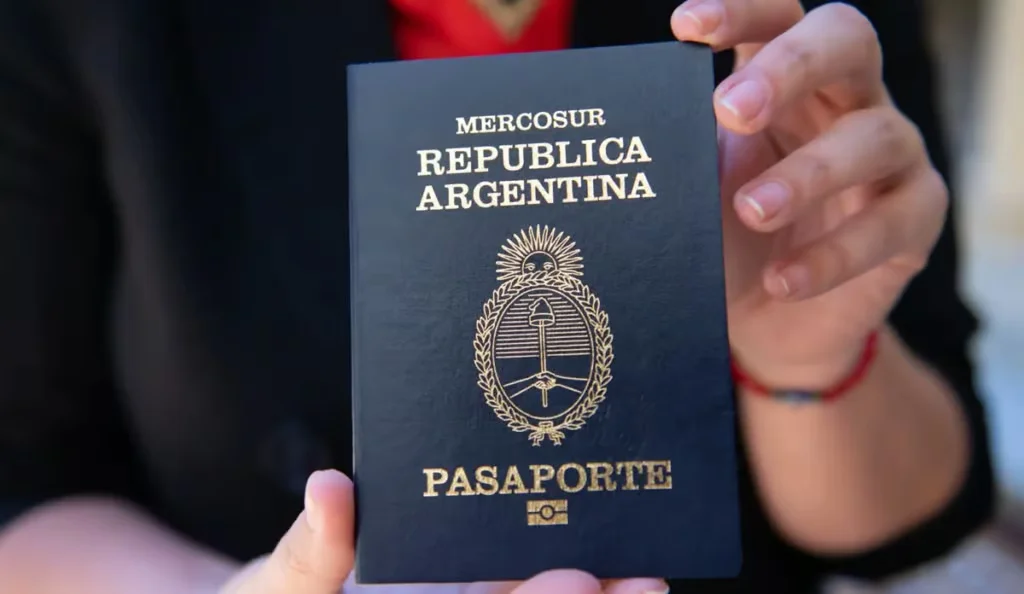
Argentina Launches Milestone 'Passports-for-Investment' Framework to Bolster Central Bank Foreign Reserves
Argentina enacted a landmark citizenship-for-investment decree on October 3, 2026, offering nationality for a …
 ECONOMY
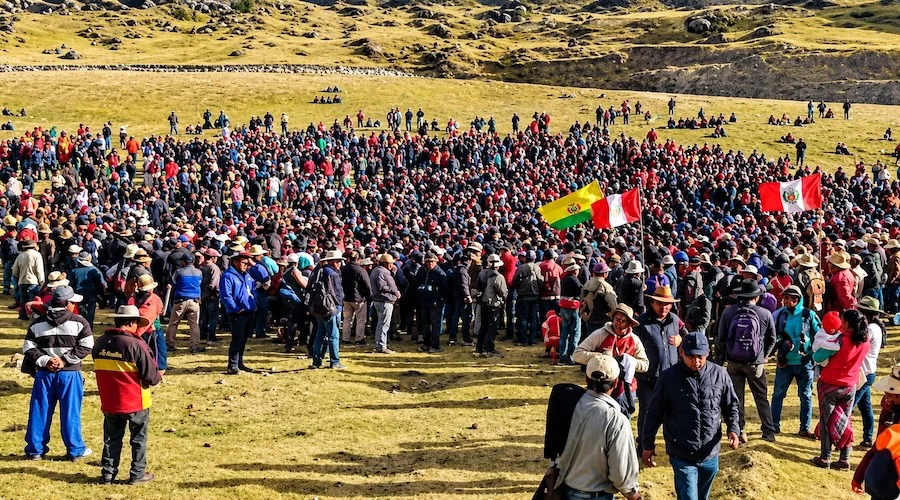
Latin American Mining Summit Warns Community Disputes and Regulatory Bottlenecks Stall Over $54 Billion in Capital Investments
A landmark mining report released on September 29, 2026, revealed that environmental permitting delays and com…
 ECONOMY
Global Rating Agencies and Regional Banks Warn of Fiscal Adjustment Pressures Across Latin America Ahead of October Elections
International financial agencies and regional banks warned on September 28, 2026, that mounting public deficit…
 ECONOMY
Bolivian Congress Approves $1.9 Billion IMF Facility to Address Acute Foreign Currency Shortage
Bolivia's Congress has approved a crucial $1.9 billion IMF and multilateral financing package on September 19,…
Comments (0)
Sign in or create an account to leave a comment.