



Renowned Chilean Documentary Filmmaker Patricio Guzmán Dies at 85
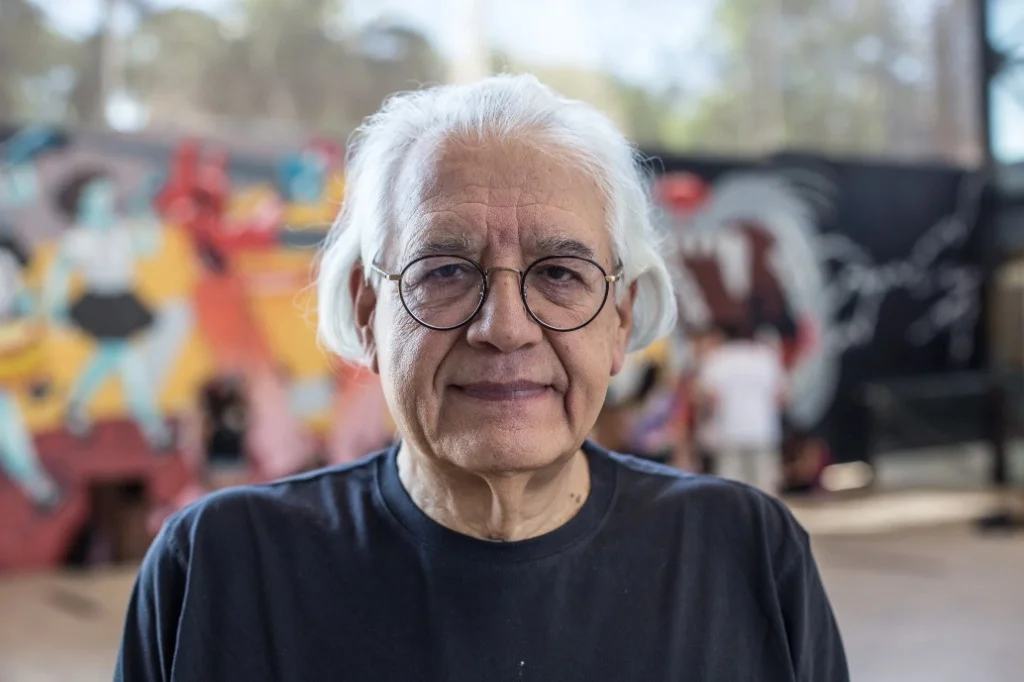
Renowned Chilean documentary filmmaker Patricio Guzmán, director of 'The Battle of Chile' and master chronicler of political memory, has died at the age of 85.





 ENTERTAINMENT
Acclaimed Chilean documentarian Patricio Guzmán, whose monumental cinematic chronicles preserved the memory of Salvador Allende’s democratic socialist project and exposed the devastating human rights atrocities of General Augusto Pinochet’s military dictatorship, has passed away at the age of 85, family members and cultural institutions announced on September 17, 2026.
Guzmán's cinematic career spanned more than five decades, establishing him as one of the most influential documentary directors in world cinema. His landmark three-part opus, "The Battle of Chile" (La batalla de Chile), filmed on the ground between 1972 and 1973 as political polarization consumed the nation, remains universally recognized by cinema historians as a masterpiece of direct political observation and historical testimony.
Following the violent military coup of September 11, 1973, that toppled Allende’s democratically elected government, Guzmán was imprisoned in Santiago's National Stadium, where thousands of political dissidents were held and tortured. After securing release, he fled into exile with reels of smuggled footage, spending years meticulously assembling an unforgettable audiovisual record of a fractured democracy.
Poetic Intersections of Memory, Science, and Human Rights
In his later decades, Guzmán achieved widespread international acclaim with an ambitious cinematic trilogy—"Nostalgia for the Light" (2010), "The Pearl Button" (2015), and "The Cordillera of Dreams" (2019)—which interwove celestial astronomy, geography, and indigenous memory with the haunting search for victims of political violence.
In "Nostalgia for the Light," filmed in the arid expanse of the Atacama Desert, Guzmán drew breathtaking parallels between astronomers gazing into deep space from giant observatories and grieving mothers sifting through the dry earth searching for the physical remains of disappeared relatives dumped in mass graves by military executioners.
"A country without documentary cinema is like a family without a photo album," Guzmán famously observed throughout his career, emphasizing the irreplaceable role of cinematic memory in safeguarding democratic institutions against collective amnesia and revisionism.
Tributes Pour in Across Latin America and Global Cinema
News of Guzmán's passing prompted widespread tributes from heads of state, human rights advocates, and leading figures of international cinema. Cultural foundations in Santiago, Paris, and Havana hailed his lifelong artistic integrity and steadfast defense of historical truth.
Chile's Ministry of Cultures, Arts and Heritage announced nationwide memorial screenings of his complete filmography across civic centers and university theaters, celebrating a filmmaker who refused to allow the triumphs, tragedies, and resilience of the Chilean people to be erased from global history.
Reports on entertainment, film, media trends, and celebrity culture across global industries.

Just for You
 ENTERTAINMENT
54th Festival Internacional Cervantino Opens in Guanajuato with Spectacular Performing Arts Extravaganza
The 54th Festival Internacional Cervantino opened in Guanajuato on October 3, 2026, with France as guest of ho…
 ENTERTAINMENT
Expocine 2026 Convenes in São Paulo as Latin American Film Exhibition and Streaming Giants Forge Historic Theatrical Pacts
Expocine 2026 opened in São Paulo on September 29, 2026, uniting cinema chains and streaming services to sign …
 ENTERTAINMENT
Latin American Cinema Celebrated as San Sebastián Film Festival Concludes with Major Honors for Regional Filmmakers
The 74th San Sebastián Film Festival concluded on September 27, 2026, celebrating Latin American cinema with t…
 ENTERTAINMENT
San Sebastián Film Festival Launches Latin American Co-Production Forum Showcasing 15 Groundbreaking Cinematic Projects
The 74th San Sebastián International Film Festival launched its Europe-Latin America Co-Production Forum on Se…
Comments (0)
Sign in or create an account to leave a comment.