



30th Ibero-American Summit Concludes in Madrid with Landmark Regional Disaster and Climate Defense Pact
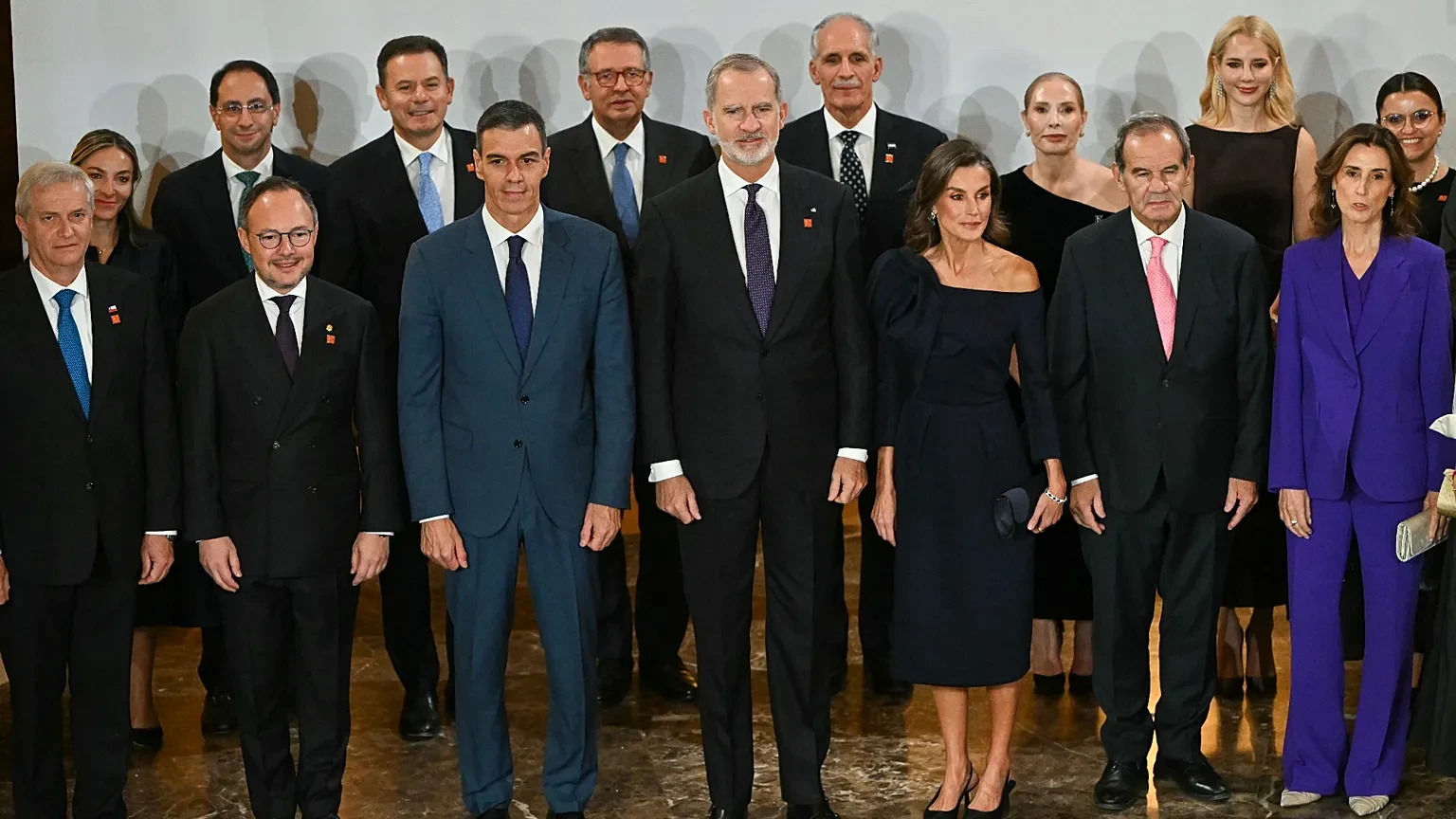
The 30th Ibero-American Summit concluded in Madrid on November 5 with heads of state and foreign ministers signing an historic multilateral charter establishing the Ibero-American Network for Disaster Risk Reduction to address devastating climate emergencies across the Americas.





 POLITICS
Following two days of intense diplomatic deliberations and frank multilateral negotiations, the 30th Ibero-American Summit of Heads of State and Government concluded in Madrid, Spain, on November 5, 2026, with the unanimous signing of the 'Madrid Declaration'—anchored by the formal establishment of the Ibero-American Network for Disaster Risk Reduction and Civil Protection. Convening twenty-two member nations spanning Latin America and the Iberian Peninsula, the biennial gathering reaffirmed transatlantic historical and institutional ties while confronting unprecedented regional challenges posed by volatile geopolitical polarization and catastrophic climate anomalies.
The landmark accord establishes a permanent, satellite-linked multilateral emergency operational headquarters in Madrid with regional coordination sub-centers in Panama City and Montevideo. Designed to operationalize instantaneous early warning mechanisms, satellite meteorological intelligence sharing, and pooled rapid-deployment medical and search-and-rescue teams, the network directly addresses the staggering economic and humanitarian toll inflicted by recent severe weather phenomena—including devastating Andean flash flooding, Caribbean hurricane escalations, and catastrophic Amazonian drought cycles that have displaced hundreds of thousands of people over the past twenty-four months.
Presided over by Spain's King Felipe VI and Prime Minister Pedro Sánchez, the plenary sessions navigated sharp ideological divergences among participating heads of state. With several Latin American administrations representing disparate poles of the political spectrum—from libertarian economic reformers in the Southern Cone to progressive social-democratic administrations in Mexico, Brazil, and Colombia—the summit successfully steered debates toward pragmatic, actionable areas of consensus: sustainable technological transfer, sovereign debt-for-climate-adaptation swaps, and mutual recognition of university qualifications across the Ibero-American educational space.
'Our historical bonds and linguistic fraternity are rendered meaningless if we cannot stand shoulder-to-shoulder to defend our communities when environmental catastrophes strike,' declared King Felipe VI during his closing address at the Palacio Real. 'The creation of this disaster reduction network proves that beneath our spirited democratic debates lies an unbreakable civilizational commitment to protect human life, preserve our natural patrimony, and build enduring bridges of transatlantic solidarity.'
The summit declaration also established a dedicated 500-million-euro revolving emergency relief fund capitalized through combined contributions from the European Union, the Inter-American Development Bank, and Spain's Agency for International Development Cooperation (AECID). The fund provides immediate, non-bureaucratic sovereign grants within forty-eight hours of a verified natural disaster, bypassing prolonged sovereign debt restructurings and international credit hurdles that have historically paralyzed local recovery efforts across developing Central American and Caribbean island economies.
Diplomatic delegates confirmed that the 31st Ibero-American Summit will be hosted in 2028 in Cartagena de Indias, Colombia. As delegations departed the Spanish capital, foreign policy analysts noted that despite intense domestic political pressures within individual member states, the Ibero-American framework demonstrated vital diplomatic resilience, solidifying multilateral cooperation at a pivotal moment in hemispheric affairs.
Covers major sporting events, athlete performance, and global sports industry trends.
Just for You
 POLITICS
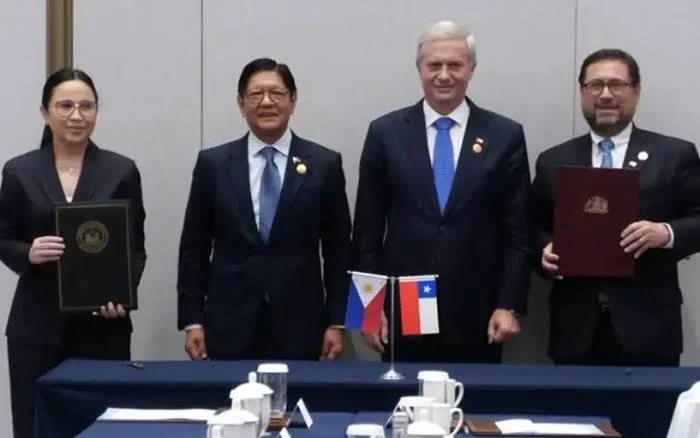
Chile and Philippines Sign Milestone Free Trade Pact at APEC Summit Opening New Trans-Pacific Corridor
On the sidelines of the APEC Leaders' Summit on November 20, 2026, Chilean President José Antonio Kast and Phi…
 POLITICS
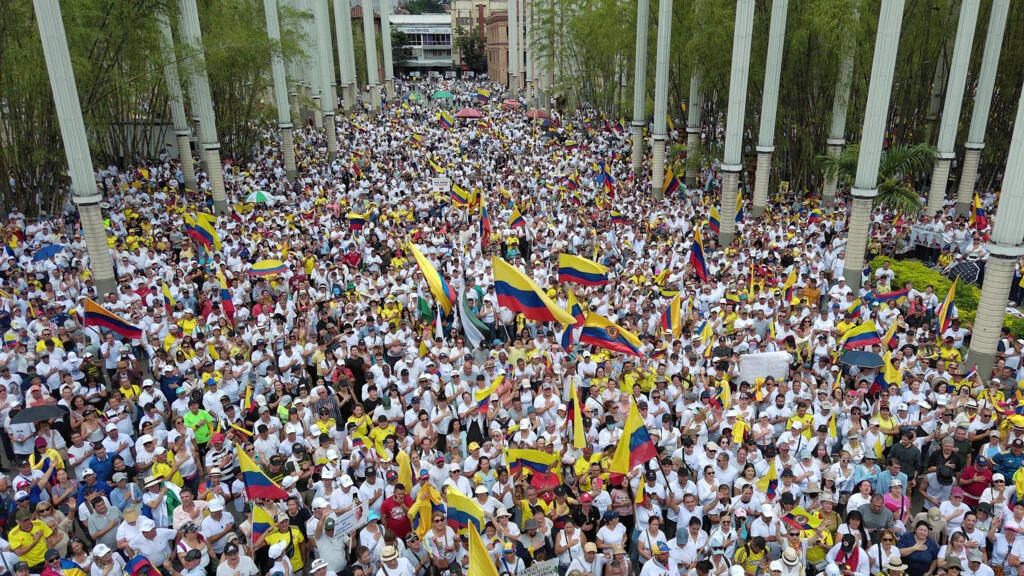
Colombia Nationwide Strike Mobilizes Hundreds of Thousands Across Major Cities Over Social and Labor Reforms
Hundreds of thousands of union members, educators, transport workers, and civic organizations paralyzed metrop…
 POLITICS
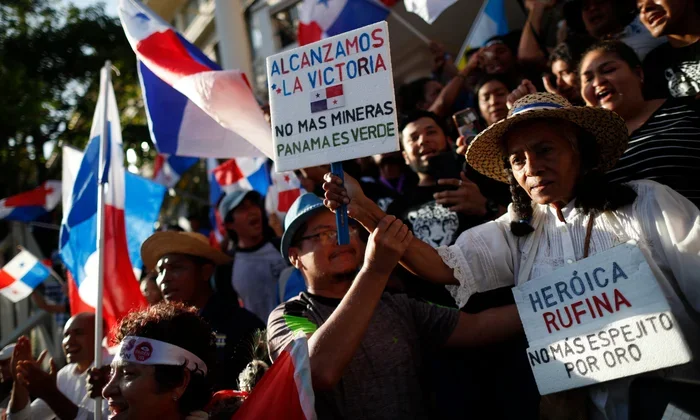
Panama City Shaken by Mass Protests as Government Reopens Review of Cobre Panama Mining Concession
Tensions escalated dramatically across Panama on November 17–18, 2026, as tens of thousands of environmentalis…
 POLITICS
President Claudia Sheinbaum Outlines Pragmatic Trade Strategy Safeguarding Sovereign Growth Ahead of USMCA Review
During an authoritative economic address at the National Palace on November 17, 2026, Mexican President Claudi…
Comments (0)
Sign in or create an account to leave a comment.