



Argentine Unions and Civil Coalitions Stage Massive 'March of Anger' Against Milei Austerity Mandates
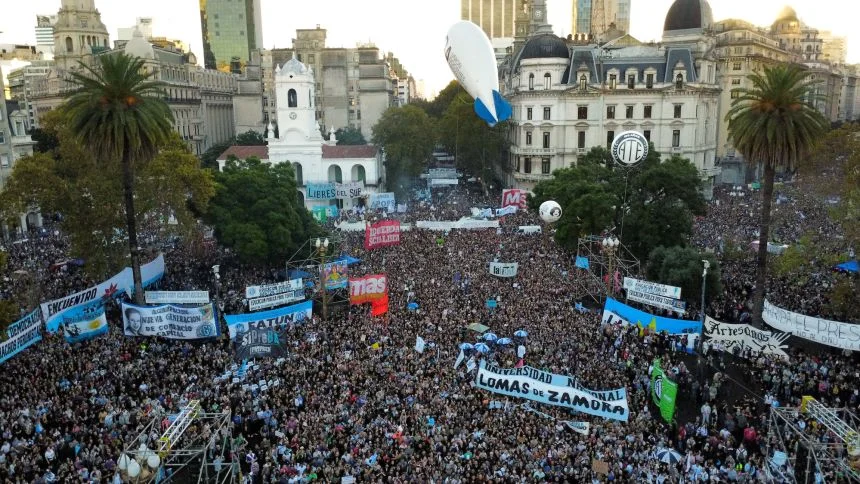
Tens of thousands marched across Buenos Aires on September 20, 2026, in the 'March of Anger' organized by Argentine labor unions and universities against President Milei's austerity cuts.





 POLITICS
Tens of thousands of union members, public sector workers, university faculty, pensioners, and grassroots community organizers flooded the central avenues of Buenos Aires on September 20, 2026, in a massive mobilization dubbed the "March of Anger" (Marcha de la Bronca), delivering their most forceful unified rebuke to date of President Javier Milei's fiscal deregulation and state contraction program.
The demonstration, convened by Argentina’s General Confederation of Labor (CGT), alongside the Argentine Workers’ Central (CTA) and student associations, brought traffic to a complete halt along the historic Avenida de Mayo, surging from the National Congress to the Plaza de Mayo fronting the Casa Rosada presidential palace. Protesters waved banners, beat traditional drums, and chanted slogans condemning sweeping cuts to university funding, reductions in public healthcare subsidies, the dissolution of state regulatory agencies, and steep increases in municipal transport fares.
The mass protest unfolded amid heightened domestic tension following President Milei's recent executive veto of a legislative bill that would have adjusted public pensions to match monthly inflation benchmarks. While the presidential administration defended the veto as non-negotiable to maintain Argentina’s historic fiscal surplus and drive down headline inflation, labor leaders argue that the social cost of the adjustment has fallen disproportionately on vulnerable pensioners and middle-class wage earners.
Labor Leaders Call for National General Strike Deliberations
Addressing the enormous crowd assembled beneath clear spring skies at the Plaza de Mayo, prominent labor leaders delivered impassioned speeches demanding an immediate moratorium on public utility price hikes and an emergency injection of funding for public research institutes and hospitals.
"A balanced national budget cannot be constructed on the hunger of our grandmothers, the abandonment of public hospitals, and the destruction of our public university system," declared CGT co-leader Pablo Moyano to thunderous applause. "If this administration insists on governing solely with vetoes and decree laws while ignoring the social reality in working-class neighborhoods, the labor movement will convene a nationwide general strike across every productive sector."
Security Minister Patricia Bullrich activated the government’s controversial anti-picket security protocol, deploying federal police contingents, border patrol vehicles, and water cannon trucks to prevent the blocking of bridges connecting Greater Buenos Aires to the capital. While minor skirmishes occurred near the 9 de Julio intersection, the protest concluded without widespread violence.
Presidential House Reaffirms Zero-Deficit Fiscal Policy
From the Casa Rosada, government spokespersons firmly rejected the demonstrators' demands, reaffirming President Milei’s unwavering adherence to "fiscal equilibrium at all costs." In an official communiqué broadcast later that evening, the presidential office argued that the austerity measures have successfully stabilized the exchange rate, extinguished hyperinflationary risks, and restored credibility with international credit rating agencies.
Political analysts note that the confrontation underscores the deep ideological polarization gripping Argentina as the country moves into the second half of Milei’s presidential mandate. With midterm congressional elections looming on the political horizon, the battle between market deregulation advocates and mobilized civic institutions is poised to define Argentina's sociopolitical landscape throughout the remainder of 2026.
Analyzes political developments, elections, and government policy with in-depth reporting.

Just for You
 POLITICS
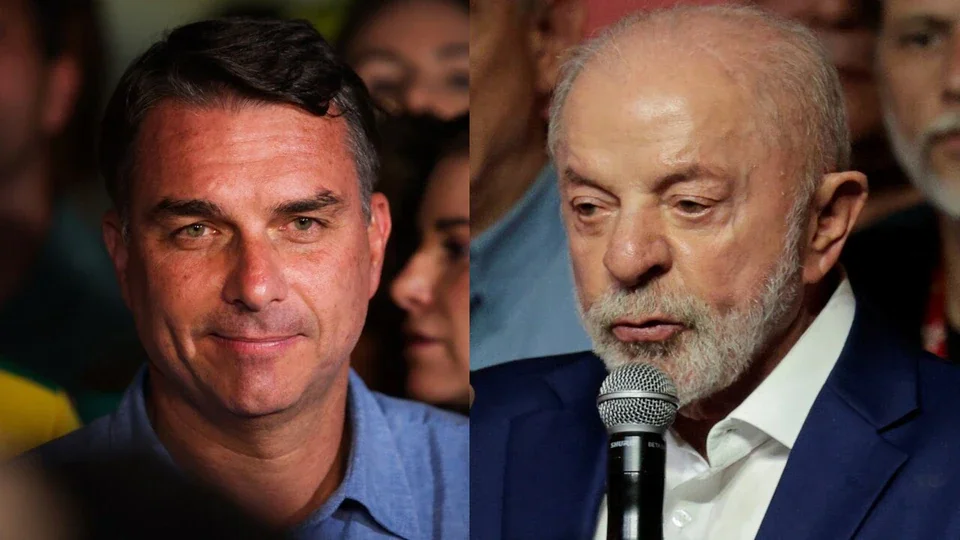
Flávio Bolsonaro and Lula Advance to High-Stakes Presidential Runoff After Tight October 4 First Round
Brazil's presidential election heads to an October 25 runoff after Flávio Bolsonaro captured 47% and President…
 POLITICS
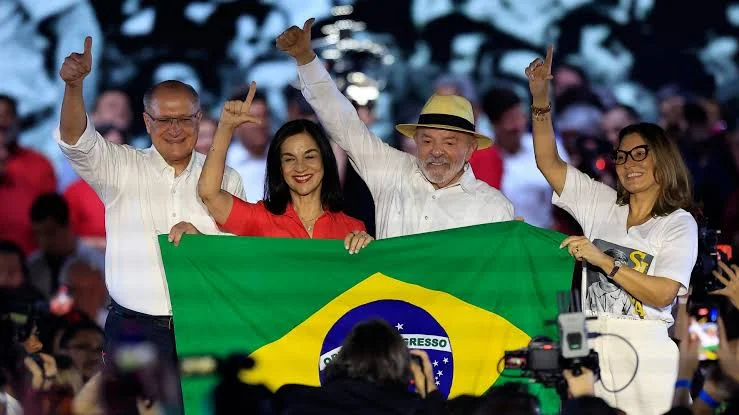
Brazil Campaign Enters Final Frenzy as TSE Deploys Unprecedented Security Ahead of October 4 General Election
Brazil's electoral court deployed over 500,000 security personnel on September 30, 2026, to safeguard the Octo…
 POLITICS
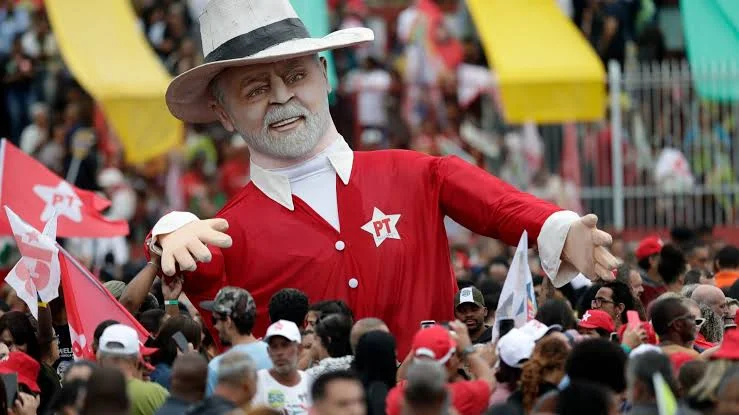
Brazil Presidential Race Deadlocked as Lula and Flávio Bolsonaro Debate Clashes Heighten Tensions Ahead of October Vote
Brazil's presidential race between President Lula and Senator Flávio Bolsonaro remains deadlocked at 41% ahead…
 POLITICS
El Salvador Legislative Assembly Rejects Bill on Searching for the Disappeared Amid Gang Crackdown
El Salvador's Legislative Assembly has rejected a bill establishing an independent search mechanism for the di…
Comments (0)
Sign in or create an account to leave a comment.