



Bolivian Anti-Corruption Forces Arrest Former Senior Judge in Sweeping Crackdown on Cartel Collusion
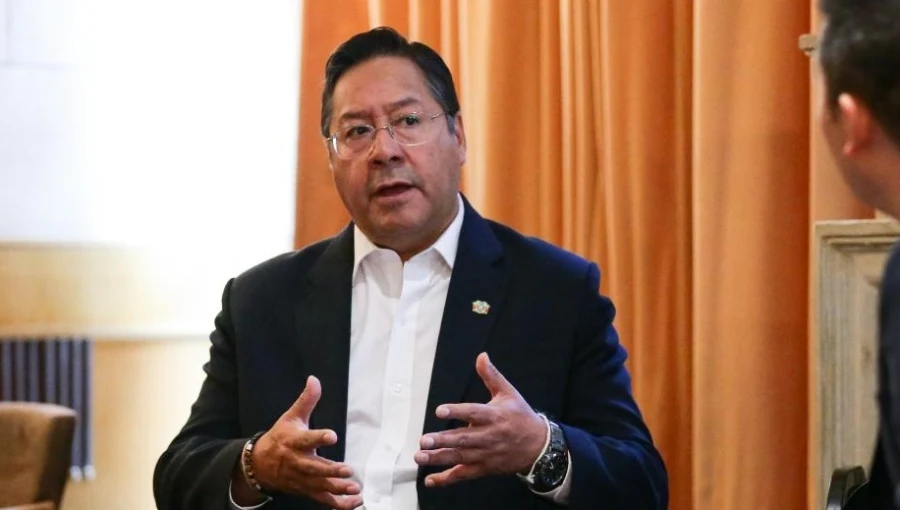
Bolivian federal special forces and anti-corruption prosecutors arrested former senior magistrate Aldo Quezada in Santa Cruz on November 11, 2026, dealing a severe blow to an illicit judicial network that allegedly provided institutional cover for transnational narcotics cartels.





 POLITICS
The judicial and political establishment of Bolivia was shaken to its core on November 11, 2026, as elite commandos of the Special Anti-Narcotics Police Force (FELCN), operating alongside specialized anti-corruption prosecutors, carried out a surgical dawn raid in Santa Cruz de la Sierra, apprehending former senior appellate judge Aldo Quezada on grave charges of criminal conspiracy, bribery, and institutional collusion with transnational drug trafficking syndicates.
The high-profile capture, formally confirmed during an emergency press conference in La Paz by Minister of Government Eduardo del Castillo, represents the culmination of a seven-month covert counter-narcotics investigation executed in close coordination with international intelligence partners across the Southern Cone. According to federal court filings unsealed on Wednesday, Quezada is accused of operating as the primary legal architect of a deeply entrenched judicial bribery ring that systematically manipulated appellate rulings, fabricated evidentiary defects, and expedited provisional releases for high-ranking cartel commanders operating along the cocaine transit routes connecting the Chapare agricultural heartland with export hubs in Brazil and Paraguay.
Forensic search teams executing simultaneous search warrants across five residential estates and legal offices in Santa Cruz seized encrypted communication devices, specialized banking tokens tied to offshore accounts in Panama and Uruguay, and over two hundred thousand dollars in undeclared physical cash. Federal prosecutors also recovered confidential court dockets demonstrating that Quezada had received substantial illicit wire transfers in exchange for overturning asset forfeiture freezes on fleet transport aircraft, luxury ranches, and clandestine processing laboratories seized by state security forces during earlier interdiction sweeps.
'The administration of justice cannot and will not serve as a commercial supermarket for criminal cartels,' Minister del Castillo stated with severe resolve before national reporters. 'No judge, no prosecutor, and no political figure, regardless of how powerful their connections may be, will enjoy immunity from prosecution when they betray the Bolivian people to protect organized crime. This operation proves that our state security institutions possess the resolve to cleanse corruption from within.'
The arrest has triggered immediate institutional repercussions throughout the Bolivian judicial hierarchy. The Council of the Magistracy announced emergency structural audits of more than one hundred and twenty disputed narcotics rulings issued in the departmental jurisdiction of Santa Cruz over the past three years, pledging to revoke fraudulent dismissals and refer complicit court clerks to criminal courts. Simultaneously, civil society organizations, legal bar associations, and indigenous citizen groups in La Paz, Cochabamba, and Sucre rallied outside regional tribunals, demanding sweeping legislative reforms to institute transparent, merit-based judicial evaluations.
As Quezada was transferred under heavy military escort to a maximum-security detention facility in Chonchocoro outside La Paz to await his formal arraignment, legal scholars and regional analysts hailed the arrest as an indispensable milestone in restoring the rule of law and safeguarding South American sovereign borders against the corruptive reach of transnational organized crime.
Covers major sporting events, athlete performance, and global sports industry trends.
Just for You
 POLITICS
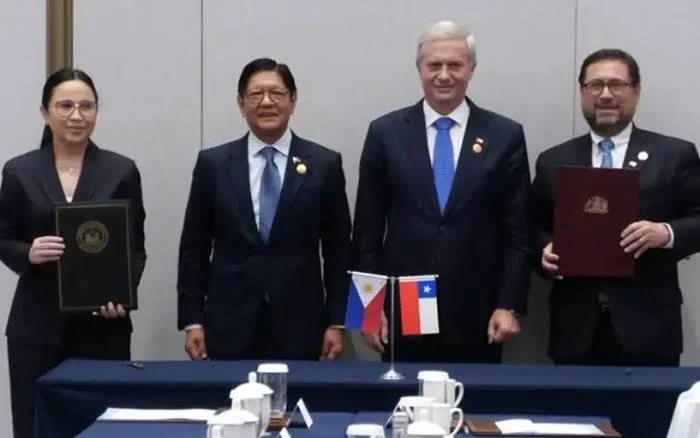
Chile and Philippines Sign Milestone Free Trade Pact at APEC Summit Opening New Trans-Pacific Corridor
On the sidelines of the APEC Leaders' Summit on November 20, 2026, Chilean President José Antonio Kast and Phi…
 POLITICS
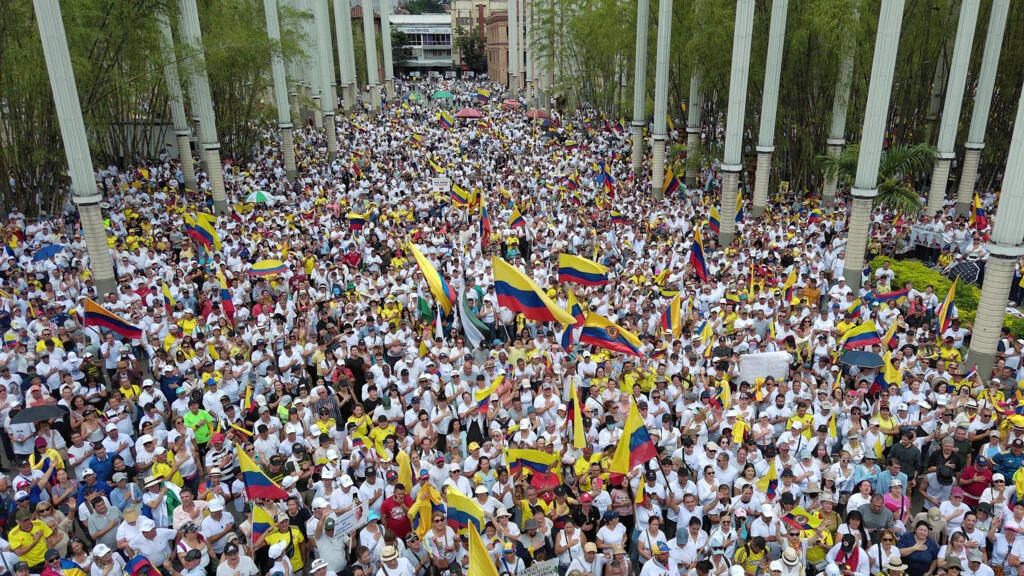
Colombia Nationwide Strike Mobilizes Hundreds of Thousands Across Major Cities Over Social and Labor Reforms
Hundreds of thousands of union members, educators, transport workers, and civic organizations paralyzed metrop…
 POLITICS
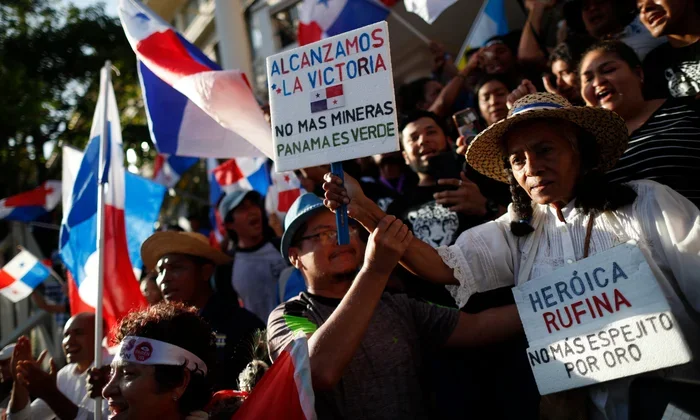
Panama City Shaken by Mass Protests as Government Reopens Review of Cobre Panama Mining Concession
Tensions escalated dramatically across Panama on November 17–18, 2026, as tens of thousands of environmentalis…
 POLITICS
President Claudia Sheinbaum Outlines Pragmatic Trade Strategy Safeguarding Sovereign Growth Ahead of USMCA Review
During an authoritative economic address at the National Palace on November 17, 2026, Mexican President Claudi…
Comments (0)
Sign in or create an account to leave a comment.