



Brazil Campaign Enters Final Frenzy as TSE Deploys Unprecedented Security Ahead of October 4 General Election
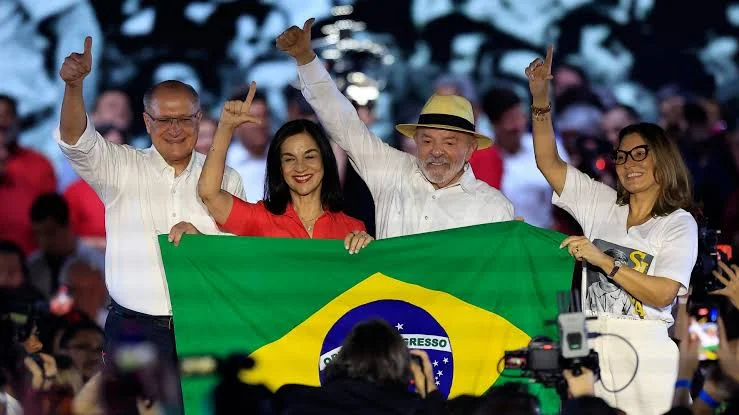
Brazil's electoral court deployed over 500,000 security personnel on September 30, 2026, to safeguard the October 4 presidential election as Lula and Flávio Bolsonaro remain locked in a dead heat.





 POLITICS
With only four days remaining before more than 156 million eligible Brazilian voters cast their ballots in an election that will shape the geopolitical, environmental, and economic trajectory of South America, Brazil's Superior Electoral Court (TSE) officially commenced on September 30, 2026, the nationwide deployment of its largest integrated security and electronic voting integrity operation in the republic's history.
The extensive electoral security apparatus mobilizes over 500,000 personnel—combining members of the Brazilian Armed Forces, Federal Highway Police, civil police units, and independent electoral observers across all twenty-six states and the Federal District of Brasília. The high-security mobilization is designed to guarantee seamless logistics, prevent localized voter intimidation in polarized interior municipalities, and safeguard more than 570,000 electronic voting urns distributed across vast metropolitan centers, remote Amazonian river communities, and indigenous territories.
The presidential contest between incumbent President Luiz Inácio Lula da Silva and conservative challenger Senator Flávio Bolsonaro has generated unprecedented civic intensity. The final tracking polls released ahead of the weekend confirm the two leaders deadlocked in a razor-thin statistical tie, with Lula polling between 41 and 43 percent and Bolsonaro commanding 40 to 42 percent support, placing the race well within the pollsters' mathematical margin of error and cementing expectations for an intensely contested second-round runoff on October 25.
Final Television Showdown and Competing Roadmaps for Brazil
The climax of the first-round campaign converges on the final televised presidential debate broadcast nationwide by TV Globo on Thursday evening, October 1, which represents the last opportunity for both candidates to address an estimated audience of over 60 million undecided viewers directly before the polls open on Sunday morning.
Throughout the final sprint across the industrial belt of São Paulo, the agribusiness heartland of Mato Grosso, and the working-class strongholds of the Northeast, both candidates have sharpened their contrasting visions for the nation. President Lula has framed the election as a defense of democratic institutions, social safety net expansions, environmental restoration in the Amazon, and multilateral re-engagement with global climate accords. Senator Flávio Bolsonaro, drawing upon powerful evangelical church networks, commercial agricultural associations, and urban security advocates, has pledged aggressive tax deregulation, privatization of state enterprises, and hardline public safety reforms modeled after tough-on-crime regional approaches.
"The strength of Brazilian democracy lies in the sovereignty of the ballot box and the peaceful expression of popular will," stated TSE President Cármen Lúcia during a televised national address from Brasília. "The electronic voting system is auditable, secure, and fully verified. Every citizen can vote with absolute confidence that their choice will be respected by all institutions of the state."
Global Scrutiny on Amazonian Conservation and Trade
International observers from the Organization of American States (OAS), the Mercosur Parliament, and the European Union have fanned out across key polling districts to monitor electoral protocols. International financial markets and environmental organizations are watching the outcome with profound attention, as Brazil’s presidential direction will directly impact the EU-Mercosur trade treaty ratification, sovereign green bond markets, and global climate governance.
As state capitals brace for final street rallies and campaign motorcades, Brazilian civil society remains unified in its determination to ensure a peaceful, transparent, and orderly election day that upholds the integrity of South America's largest democracy.
Analyzes political developments, elections, and government policy with in-depth reporting.

Just for You
 POLITICS
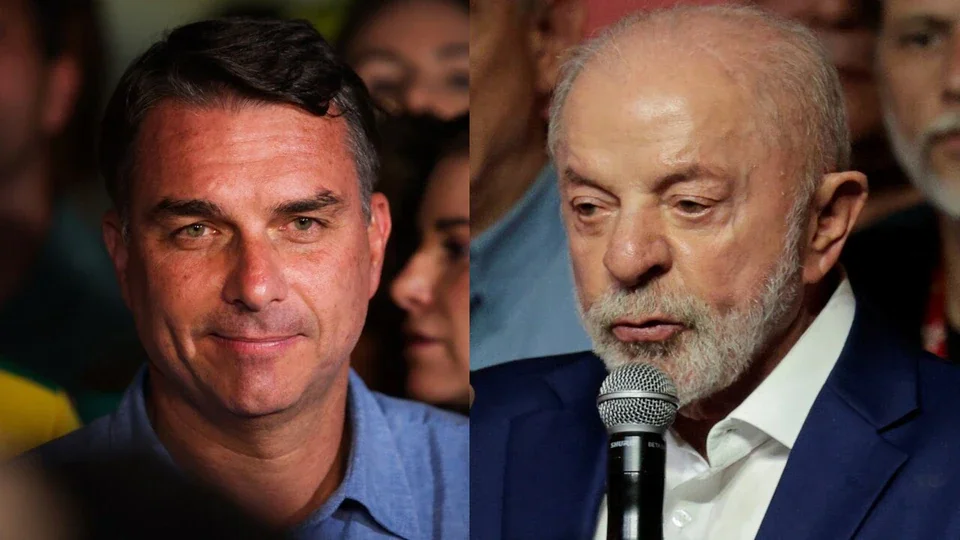
Flávio Bolsonaro and Lula Advance to High-Stakes Presidential Runoff After Tight October 4 First Round
Brazil's presidential election heads to an October 25 runoff after Flávio Bolsonaro captured 47% and President…
 POLITICS
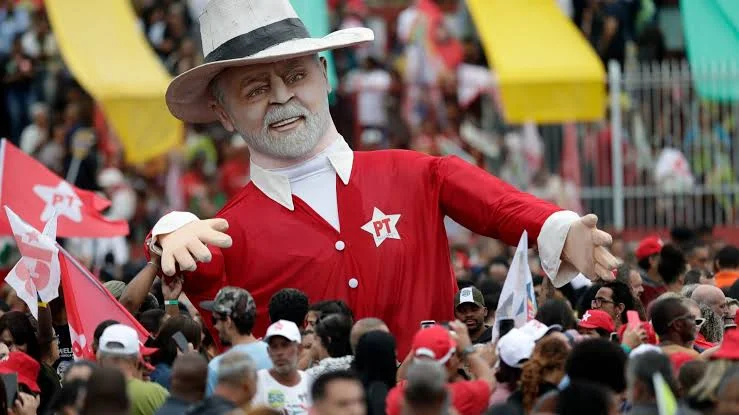
Brazil Presidential Race Deadlocked as Lula and Flávio Bolsonaro Debate Clashes Heighten Tensions Ahead of October Vote
Brazil's presidential race between President Lula and Senator Flávio Bolsonaro remains deadlocked at 41% ahead…
 POLITICS
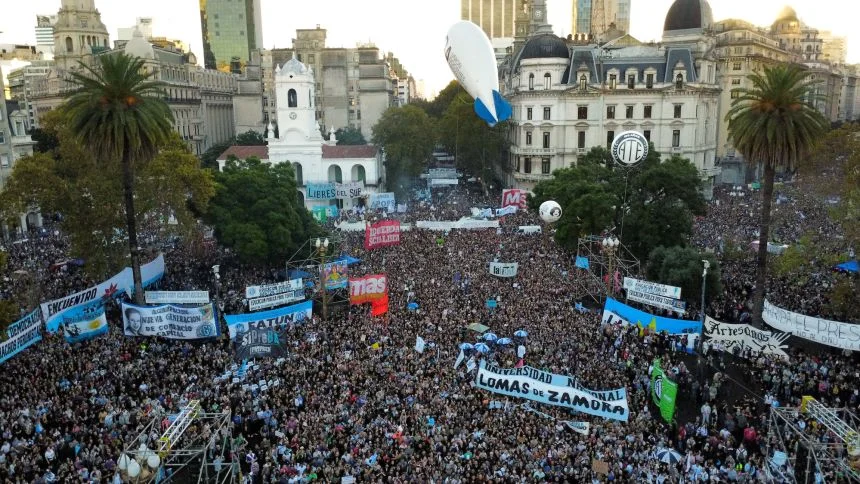
Argentine Unions and Civil Coalitions Stage Massive 'March of Anger' Against Milei Austerity Mandates
Tens of thousands marched across Buenos Aires on September 20, 2026, in the 'March of Anger' organized by Arge…
 POLITICS
El Salvador Legislative Assembly Rejects Bill on Searching for the Disappeared Amid Gang Crackdown
El Salvador's Legislative Assembly has rejected a bill establishing an independent search mechanism for the di…
Comments (0)
Sign in or create an account to leave a comment.