



Brazil Presidential Race Deadlocked as Lula and Flávio Bolsonaro Debate Clashes Heighten Tensions Ahead of October Vote
Brazil's presidential race between President Lula and Senator Flávio Bolsonaro remains deadlocked at 41% ahead of the October 4 election as debates and campaign clashes intensify.





 POLITICS
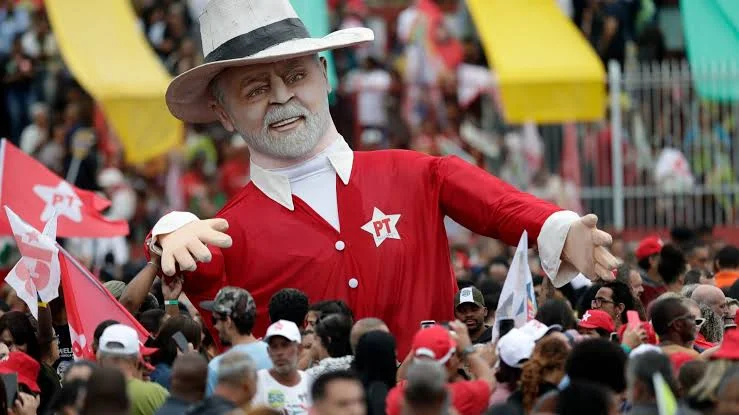
With only days remaining before more than 150 million Brazilian citizens cast their ballots in what is widely regarded as one of the most polarized general elections in modern South American history, the presidential contest between incumbent President Luiz Inácio Lula da Silva and conservative Senator Flávio Bolsonaro remains locked in a statistical dead heat, election polling aggregates confirmed on September 28, 2026.
The intense political climate reached a fever pitch following the weekend cancellation of a scheduled televised debate by Record TV after both frontrunners declined to confirm participation, sparking fierce recriminations between campaign headquarters over debate transparency, public accountability, and strategic maneuvering. With recent polling averages showing Lula and Flávio Bolsonaro deadlocked at approximately 41 to 42 percent voter support, political observers project that neither candidate will secure an outright majority in the October 4 first round, making a grueling October 25 runoff virtually inevitable.
The electoral clash represents a defining ideological referendum on the governance direction of Latin America’s largest nation. President Lula, seeking a historic fourth presidential term, has campaigned heavily on his administration's social welfare expansions, historic reductions in Amazonian deforestation rates, and progressive public infrastructure investments under the Growth Acceleration Program (PAC). Conversely, Senator Flávio Bolsonaro has rallied conservative and agribusiness coalitions around deregulation, aggressive public security crackdowns modeled after hardline regional doctrines, and the preservation of conservative family values.
Strategic Debate Maneuvers and Television Showdown Deliberations
The debate standoff has transformed television studios into high-stakes campaign battlegrounds. Senator Flávio Bolsonaro has repeatedly challenged the 80-year-old incumbent to face him directly on stage, confirming his participation in the climactic TV Globo broadcast scheduled for October 1. The Lula campaign, however, has signaled caution, with senior strategists pointing to the historical precedent of front-running incumbents avoiding multifaceted debate stages where multiple minor candidates unite to attack the government’s record.
"The Brazilian electorate deserves to see their leaders debate the fundamental issues facing the republic—economic growth, personal safety, and national sovereignty," Flávio Bolsonaro proclaimed during a massive campaign rally in Rio de Janeiro. "Refusing to step onto the debate stage demonstrates an unwillingness to defend failed economic policies before the working people of Brazil."
In response, Workers' Party (PT) spokespersons reaffirmed that President Lula's extensive public record speaks directly to the citizenry. "President Lula debates the Brazilian people every single day on the factory floor, in public universities, and across family farming communities," asserted party leadership in Brasília. "Our focus is directly communicating our roadmap to eradicate hunger, protect democratic institutions, and ensure sustainable industrial prosperity."
Amazonian Conservation and Continental Stakes
International environmental groups and regional diplomats are monitoring the electoral developments with unprecedented scrutiny. Environmental monitors warn that the contest carries monumental implications for the Amazon basin, where international conservation agreements and bilateral carbon market investments hang in the balance depending on whether regulatory enforcement or agricultural expansion takes precedence.
As state capitals across São Paulo, Minas Gerais, and Bahia prepare for final campaign rallies, security agencies and the Superior Electoral Court (TSE) have mobilized thousands of electoral monitors and electronic voting security systems to guarantee absolute integrity across polling stations, ensuring that Brazil's democratic tradition remains resilient in the face of intense political passions.
Analyzes political developments, elections, and government policy with in-depth reporting.

Just for You
 POLITICS
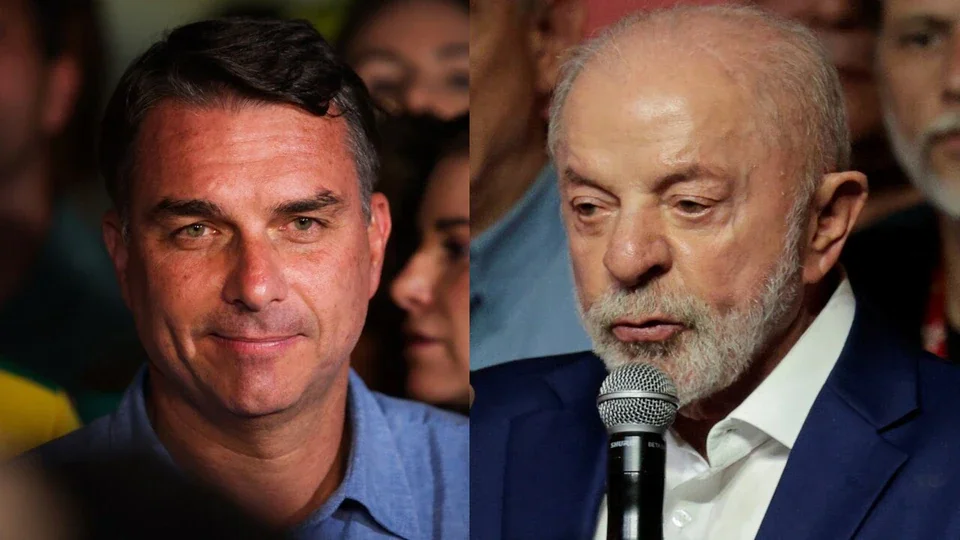
Flávio Bolsonaro and Lula Advance to High-Stakes Presidential Runoff After Tight October 4 First Round
Brazil's presidential election heads to an October 25 runoff after Flávio Bolsonaro captured 47% and President…
 POLITICS
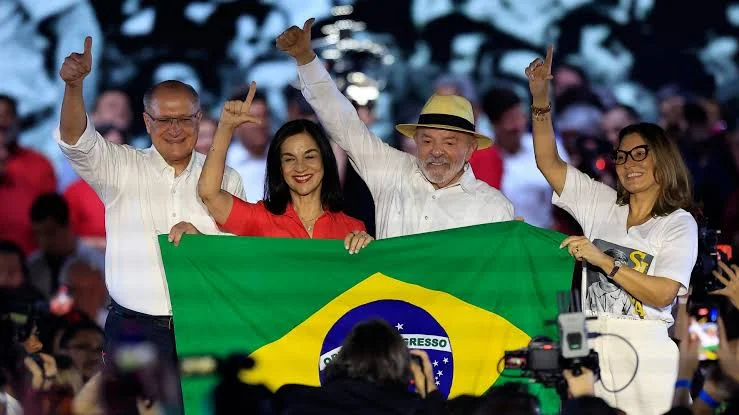
Brazil Campaign Enters Final Frenzy as TSE Deploys Unprecedented Security Ahead of October 4 General Election
Brazil's electoral court deployed over 500,000 security personnel on September 30, 2026, to safeguard the Octo…
 POLITICS
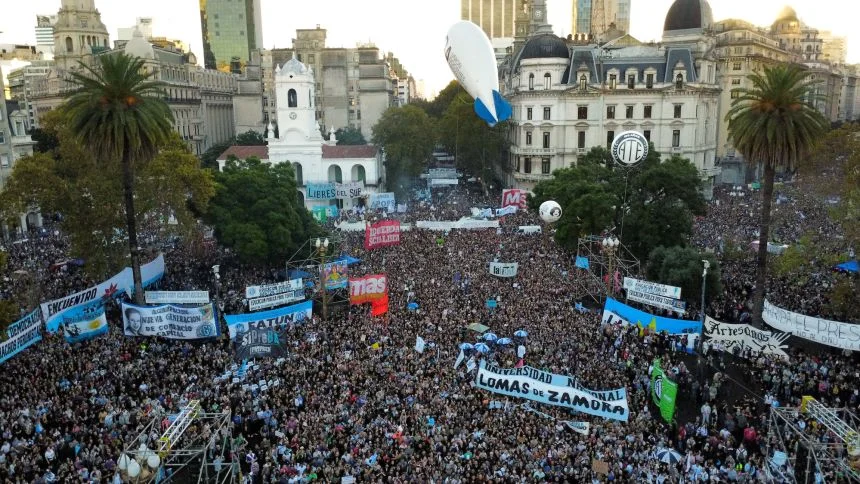
Argentine Unions and Civil Coalitions Stage Massive 'March of Anger' Against Milei Austerity Mandates
Tens of thousands marched across Buenos Aires on September 20, 2026, in the 'March of Anger' organized by Arge…
 POLITICS
El Salvador Legislative Assembly Rejects Bill on Searching for the Disappeared Amid Gang Crackdown
El Salvador's Legislative Assembly has rejected a bill establishing an independent search mechanism for the di…
Comments (0)
Sign in or create an account to leave a comment.