



Brazil Submits Historic Global Fossil Fuel Transition Roadmap to UN Setting Landmark Climate Standard
The Federative Republic of Brazil formally deposited its landmark 'Global Roadmap for Transitioning Away from Fossil Fuels' with the United Nations on November 10, 2026, establishing binding statutory renewable timelines and sovereign climate financing obligations across Latin America.





 POLITICS
Marking a transformative breakthrough in global climate diplomacy and continental environmental governance, the Federative Republic of Brazil officially transmitted its comprehensive 'Global Roadmap for Transitioning Away from Fossil Fuels' to the Secretariat of the United Nations Framework Convention on Climate Change (UNFCCC) on November 10, 2026. Representing the permanent institutional legacy of Brazil's high-stakes multilateral climate stewardship, the detailed 320-page statutory framework provides sovereign nations with a legally grounded, equitable blueprint to phase out unabated coal, oil, and gas extraction while preserving macroeconomic stability in emerging economies.
Presented in Brasília by Minister of the Environment and Climate Change Marina Silva alongside Foreign Minister Mauro Vieira, the document outlines rigorous, sector-by-sector decarbonization milestones. Under Brazil's national commitments ratified within the filing, Latin America's largest economy commits to achieving an eighty-five percent reduction in gross power-sector carbon emissions by 2035, underpinned by massive expansions in utility-scale solar complexes, offshore wind concessions along the northeastern Atlantic seaboard, and next-generation green hydrogen production hubs linked directly to industrial export ports.
'The climate crisis does not negotiate with political timelines or corporate balance sheets,' Minister Marina Silva stated during a globally broadcast diplomatic briefing. 'Transitioning away from fossil fuels is not an optional environmental aspiration; it is an urgent civilizational necessity. With this roadmap, Brazil demonstrates that the Global South possesses both the moral authority and the technical capacity to pioneer a just energy transition that generates green industrial prosperity without sacrificing our irreplaceable ecological sanctuaries.'
A central pillar of the Brazilian framework is the establishment of the 'Amazonian Sovereign Ecological Sovereign Trust'—an innovative multilateral capital mechanism requiring multinational fossil energy conglomerates operating concessions in the Western Hemisphere to contribute mandatory restorative levies toward community-led rainforest reforestation and indigenous territorial defense. The roadmap also establishes strict statutory bans against hydrocarbon exploration within designated buffer zones surrounding indigenous ancestral reserves, biological sanctuaries, and mangrove wetlands across the Amazon River Basin and the equatorial maritime margin.
United Nations environmental directors and international civil society coalitions greeted the submission with widespread acclaim, noting that Brazil has set a formidable precedent that challenges wealthy industrialized nations to match its ambition with direct, unencumbered climate financing and technology transfers. European Union and Scandinavian development ministries announced immediate intentions to coordinate parallel bilateral climate accords mirroring the Brazilian benchmarks.
As Latin American legislative assemblies from Santiago to Bogotá prepare to review corresponding transition bills inspired by the Brazilian submission, the filing firmly reasserts South America's sovereign leadership on the global stage, demonstrating that environmental preservation and robust economic development can advance hand in hand.
Covers major sporting events, athlete performance, and global sports industry trends.
Just for You
 POLITICS
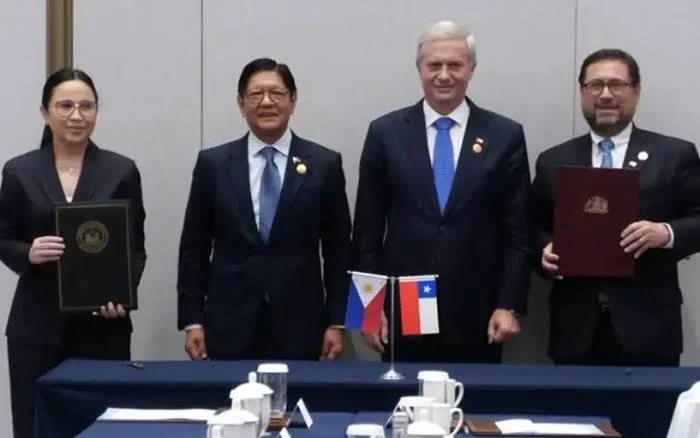
Chile and Philippines Sign Milestone Free Trade Pact at APEC Summit Opening New Trans-Pacific Corridor
On the sidelines of the APEC Leaders' Summit on November 20, 2026, Chilean President José Antonio Kast and Phi…
 POLITICS
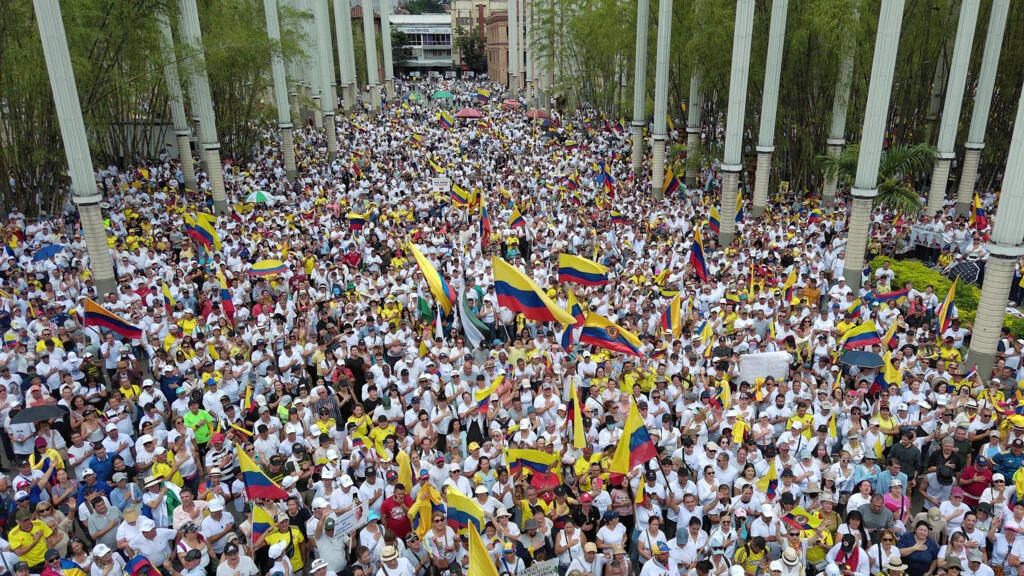
Colombia Nationwide Strike Mobilizes Hundreds of Thousands Across Major Cities Over Social and Labor Reforms
Hundreds of thousands of union members, educators, transport workers, and civic organizations paralyzed metrop…
 POLITICS
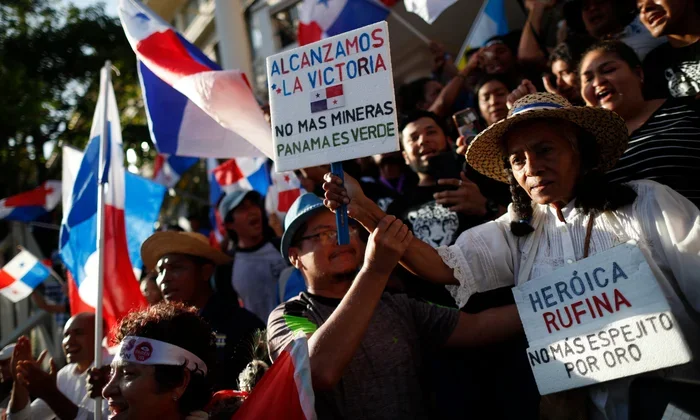
Panama City Shaken by Mass Protests as Government Reopens Review of Cobre Panama Mining Concession
Tensions escalated dramatically across Panama on November 17–18, 2026, as tens of thousands of environmentalis…
 POLITICS
President Claudia Sheinbaum Outlines Pragmatic Trade Strategy Safeguarding Sovereign Growth Ahead of USMCA Review
During an authoritative economic address at the National Palace on November 17, 2026, Mexican President Claudi…
Comments (0)
Sign in or create an account to leave a comment.