



El Salvador Legislative Assembly Rejects Bill on Searching for the Disappeared Amid Gang Crackdown
El Salvador's Legislative Assembly has rejected a bill establishing an independent search mechanism for the disappeared, prompting outrage from victims' families and human rights monitors.





 POLITICS
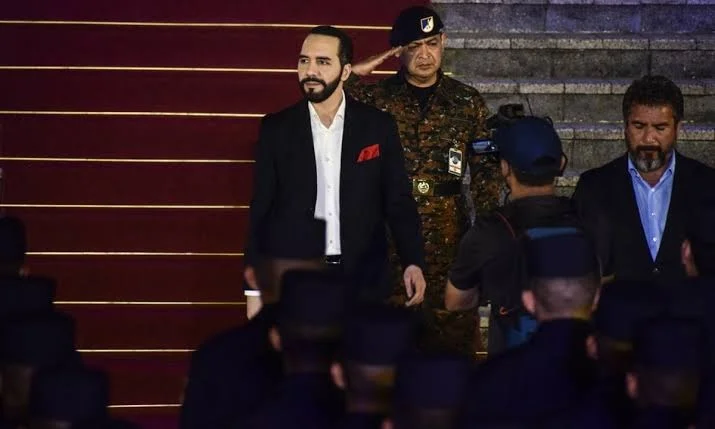
The Legislative Assembly of El Salvador has officially rejected a proposed legislative initiative designed to establish an independent national search mechanism for tens of thousands of individuals disappeared during decades of gang violence and state security operations, sparking profound condemnation from human rights organizations and victim advocacy federations across Central America.
The legislative measure, introduced by civil society coalitions representing grieving families, sought to formalize judicial protocols, create a centralized national genetic registry, and mandate state resources for exhumations and forensic identification across clandestine grave sites. Despite impassioned testimony from families gathered outside the legislative palace in San Salvador, lawmakers allied with President Nayib Bukele voted against proceeding with the bill, arguing that existing judicial frameworks are sufficient to process criminal investigations.
The rejection has intensified public scrutiny over government accountability in El Salvador, where official security policies have drastically reshaped the social fabric. While President Bukele has publicly stated that historic gang warfare and criminal syndicates like MS-13 and Barrio 18 left as many as 80,000 people missing over past decades, victim support organizations argue that the state’s refusal to legislate dedicated search infrastructure leaves families completely abandoned in their quest for closure.
Clash Over the Ongoing State of Exception
The controversial vote takes place as El Salvador maintains its nationwide state of exception, which was recently extended through late September 2026. First enacted in March 2022 to combat street violence, the emergency regime has led to the incarceration of more than 85,000 individuals, drastically lowering homicide statistics and bolstering the president’s domestic popularity.
However, international monitoring bodies—including Amnesty International and Human Rights Watch—have consistently raised alarm over widespread procedural violations under the state of exception. Advocacy groups document thousands of arbitrary arrests, prolonged pre-trial detentions without access to legal counsel, and severe incommunicado detentions that families describe as contemporary enforced disappearances within the penitentiary complex.
"Families of the disappeared in El Salvador face a double tragedy," said human rights advocate Sofía Henríquez during a press briefing in San Salvador. "They are denied truth regarding loved ones lost to criminal gangs years ago, while simultaneously facing institutional silence and intimidation when attempting to locate relatives detained under emergency decrees."
Civil Society Vows to Continue Search Mobilization
Legal experts observe that without an autonomous search commission and adequate forensic funding, the burden of locating burial grounds falls almost entirely onto grassroots committees of mothers and relatives, who often face personal danger when investigating rural zones.
Despite the legislative setback, civil rights coalitions announced plans to petition international human rights tribunals, including the Inter-American Court of Human Rights, to demand binding state actions on forced disappearance registries. As El Salvador approaches regional political milestones, the unresolved fate of tens of thousands of missing citizens remains one of the country's most acute humanitarian and moral dilemmas.
Analyzes political developments, elections, and government policy with in-depth reporting.

Just for You
 POLITICS
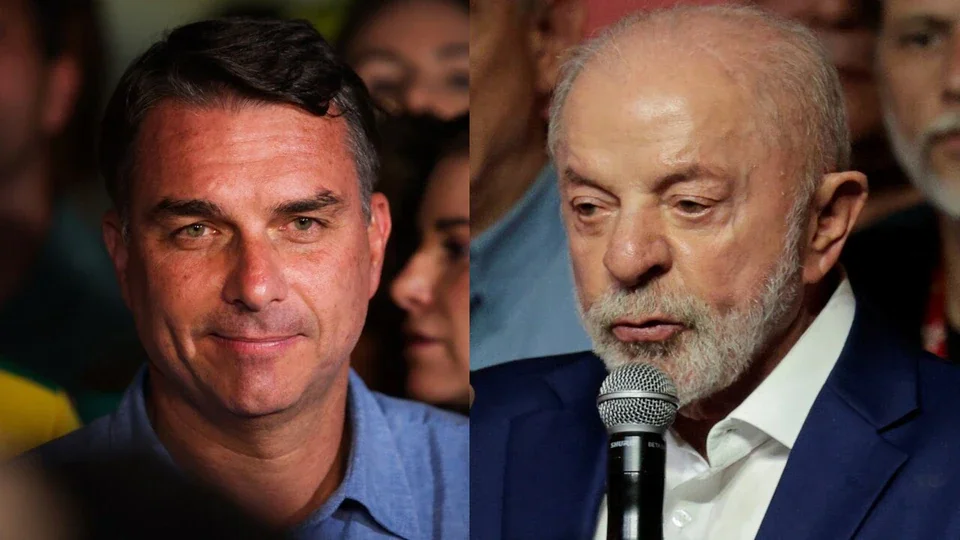
Flávio Bolsonaro and Lula Advance to High-Stakes Presidential Runoff After Tight October 4 First Round
Brazil's presidential election heads to an October 25 runoff after Flávio Bolsonaro captured 47% and President…
 POLITICS
Brazil Campaign Enters Final Frenzy as TSE Deploys Unprecedented Security Ahead of October 4 General Election
Brazil's electoral court deployed over 500,000 security personnel on September 30, 2026, to safeguard the Octo…
 POLITICS
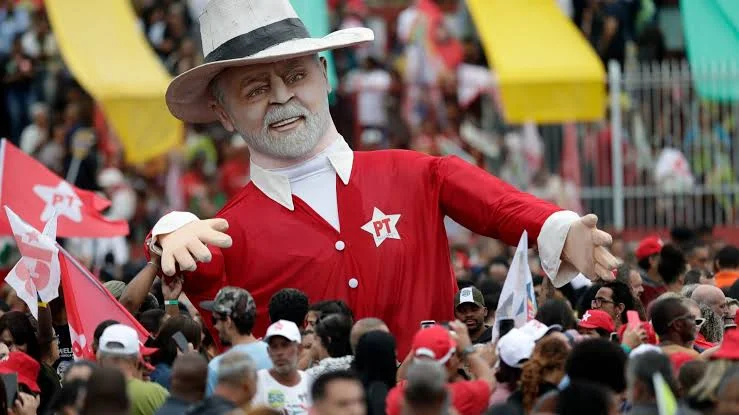
Brazil Presidential Race Deadlocked as Lula and Flávio Bolsonaro Debate Clashes Heighten Tensions Ahead of October Vote
Brazil's presidential race between President Lula and Senator Flávio Bolsonaro remains deadlocked at 41% ahead…
 POLITICS
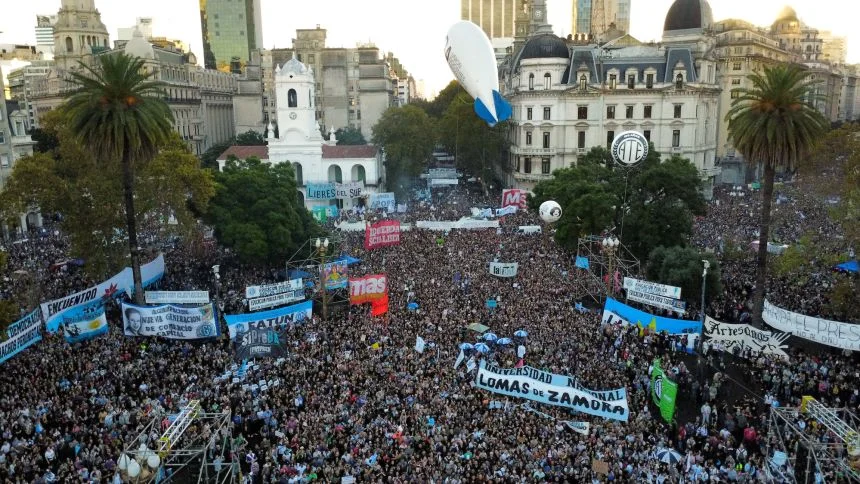
Argentine Unions and Civil Coalitions Stage Massive 'March of Anger' Against Milei Austerity Mandates
Tens of thousands marched across Buenos Aires on September 20, 2026, in the 'March of Anger' organized by Arge…
Comments (0)
Sign in or create an account to leave a comment.