



Flávio Bolsonaro and Lula Advance to High-Stakes Presidential Runoff After Tight October 4 First Round
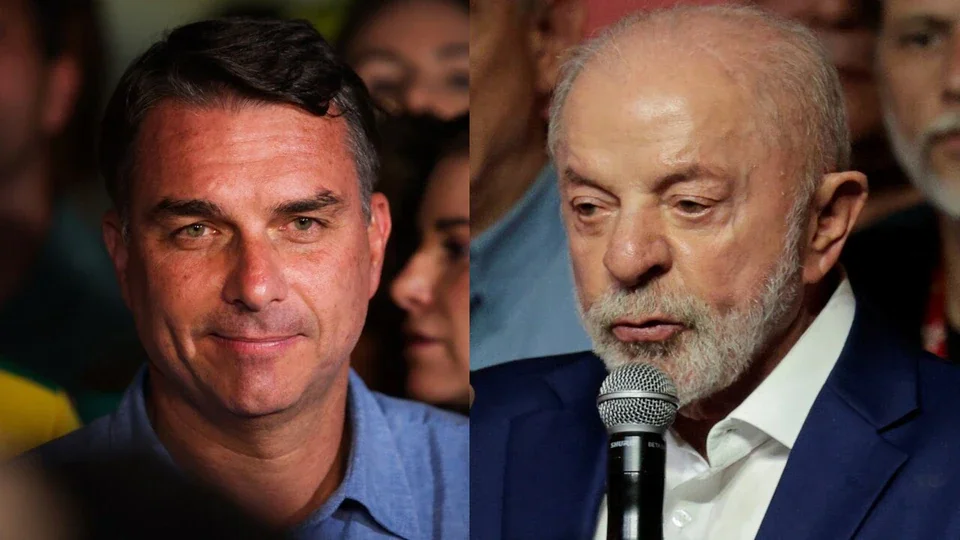
Brazil's presidential election heads to an October 25 runoff after Flávio Bolsonaro captured 47% and President Lula secured 45% in the October 4 vote, alongside major conservative congressional gains.





 POLITICS
In one of the most fiercely contested and consequential general elections in South America's democratic history, Brazil's presidential race is heading to a dramatic second-round runoff on October 25, 2026, after conservative Senator Flávio Bolsonaro and incumbent leftist President Luiz Inácio Lula da Silva emerged as the top two contenders following the nationwide vote on Sunday, October 4, with both candidates failing to capture the 50 percent majority required for an outright first-round victory.
According to official tallies validated by the Superior Electoral Court (TSE) with more than 99.9 percent of electronic ballots tabulated across the republic, Flávio Bolsonaro—representing the conservative Liberal Party (PL)—secured approximately 47.1 percent of valid votes, outperforming the predictions of major pre-election opinion surveys. President Lula, the 80-year-old leader of the Workers' Party (PT) seeking a historic fourth term in the Planalto Palace, garnered 44.8 percent of the national vote, setting the stage for an intense three-week sprint to win over undecided voters across South America's economic powerhouse.
The election day unfolded peacefully amid unprecedented security, with over 500,000 military and police personnel deployed across all 26 states and the Federal District to safeguard electronic voting stations. The TSE reported seamless voting operations from urban polling stations in São Paulo and Rio de Janeiro to remote river communities deep within the Amazon basin, reaffirming the resilience and speed of Brazil’s electronic voting architecture.
Right-Wing Congressional Surge Reshuffles Legislative Balance
Beyond the presidential contest, Sunday’s balloting delivered significant conservative gains across the National Congress. Candidates allied with Flávio Bolsonaro secured pivotal victories in gubernatorial races and expanded their representation in both the Federal Senate and the Chamber of Deputies, cementing a robust legislative bloc that will hold substantial sway over fiscal policy, judicial nominations, and regulatory legislation regardless of who triumphs in the executive runoff.
"The Brazilian people have sent an undeniable message of renewal, faith, enterprise, and sovereign determination," declared Flávio Bolsonaro during a triumphant post-election rally before thousands of cheering supporters in Brasília. "We have demonstrated that the conservative movement in Brazil is vibrant, unified, and ready to restore economic dynamism, curb state bureaucracy, and ensure personal safety for every working family in this nation."
President Lula, addressing supporters at a campaign headquarters in São Paulo, struck a resolute and determined tone, framing the upcoming second round as an existential contest between democratic values, social welfare protections, and environmental preservation versus right-wing radicalism.
"Every second-round election represents a completely new campaign," President Lula declared. "We now enter a direct debate between two contrasting visions for Brazil's destiny. We will reach out to every democratic sector, every worker, and every community to demonstrate that our path guarantees dignity, eradicates hunger, protects the Amazon, and builds a prosperous future for all Brazilians."
Global Repercussions for Climate, Mercosur, and Financial Markets
The impending October 25 showdown carries profound implications that extend far beyond Brazil’s borders. As South America's largest economy and the custodian of roughly 60 percent of the Amazon rainforest, the presidential outcome is viewed by international leaders as a critical test for regional political alignments, multilateral carbon markets, and the future ratification of the European Union-Mercosur trade treaty.
Financial markets in São Paulo and New York opened on Monday with sharp market movements, as sovereign bond traders and corporate investors digested the stronger-than-expected conservative showing in Congress, which many market participants view as an institutional firewall against aggressive public spending expansion. Over the next three weeks, both campaign apparatuses will concentrate resources on winning over centrist electorates in critical battleground states like Minas Gerais and Rio de Janeiro, promising one of the most closely observed political climaxes in modern Latin American history.
Analyzes political developments, elections, and government policy with in-depth reporting.

Just for You
 POLITICS
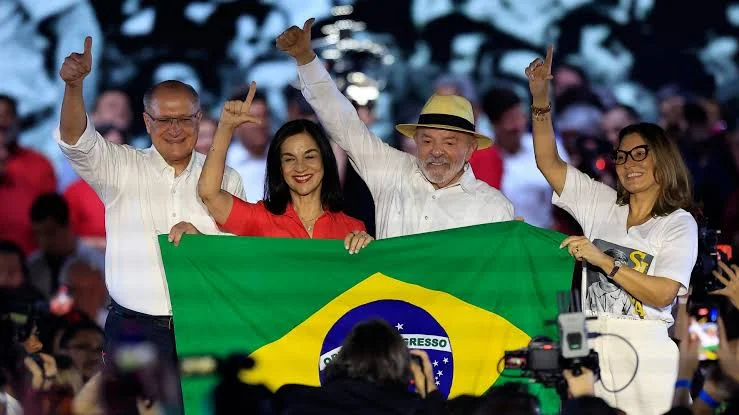
Brazil Campaign Enters Final Frenzy as TSE Deploys Unprecedented Security Ahead of October 4 General Election
Brazil's electoral court deployed over 500,000 security personnel on September 30, 2026, to safeguard the Octo…
 POLITICS
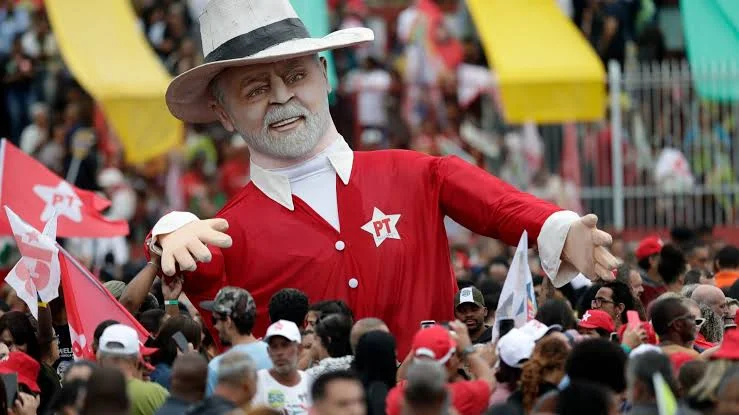
Brazil Presidential Race Deadlocked as Lula and Flávio Bolsonaro Debate Clashes Heighten Tensions Ahead of October Vote
Brazil's presidential race between President Lula and Senator Flávio Bolsonaro remains deadlocked at 41% ahead…
 POLITICS
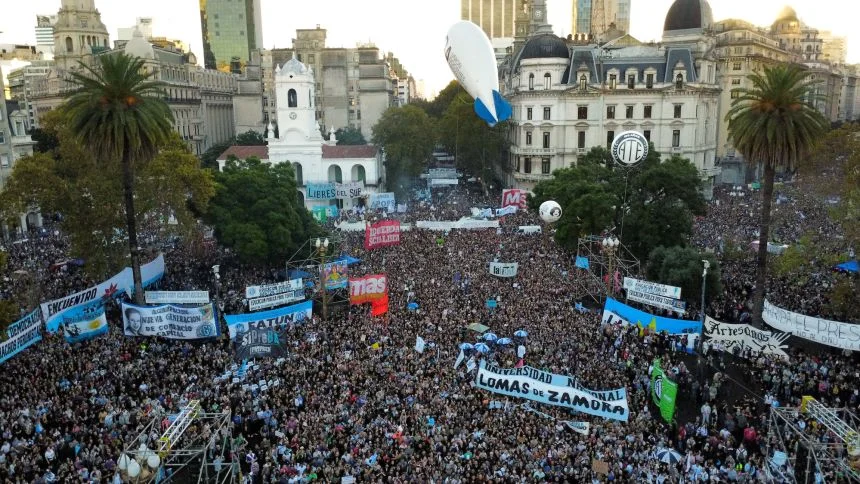
Argentine Unions and Civil Coalitions Stage Massive 'March of Anger' Against Milei Austerity Mandates
Tens of thousands marched across Buenos Aires on September 20, 2026, in the 'March of Anger' organized by Arge…
 POLITICS
El Salvador Legislative Assembly Rejects Bill on Searching for the Disappeared Amid Gang Crackdown
El Salvador's Legislative Assembly has rejected a bill establishing an independent search mechanism for the di…
Comments (0)
Sign in or create an account to leave a comment.