



Lula and Flávio Bolsonaro Clash in Heated Final Stretch as Amazon Deforestation Hits Historic Low Ahead of Runoff
Lula and Flávio Bolsonaro clashed intensely over the economy and Amazon conservation on October 18–19, 2026, as Amazon deforestation dropped to historic lows ahead of the October 25 runoff.





 POLITICS
With only six days remaining before Brazilian citizens head to the polls on October 25, 2026, to decide one of the most consequential presidential runoffs in modern South American history, incumbent President Luiz Inácio Lula da Silva and conservative challenger Senator Flávio Bolsonaro engaged in fiery, high-stakes campaign appearances over the weekend of October 17-19, 2026, clashing aggressively over economic governance, judicial autonomy, and environmental stewardship.
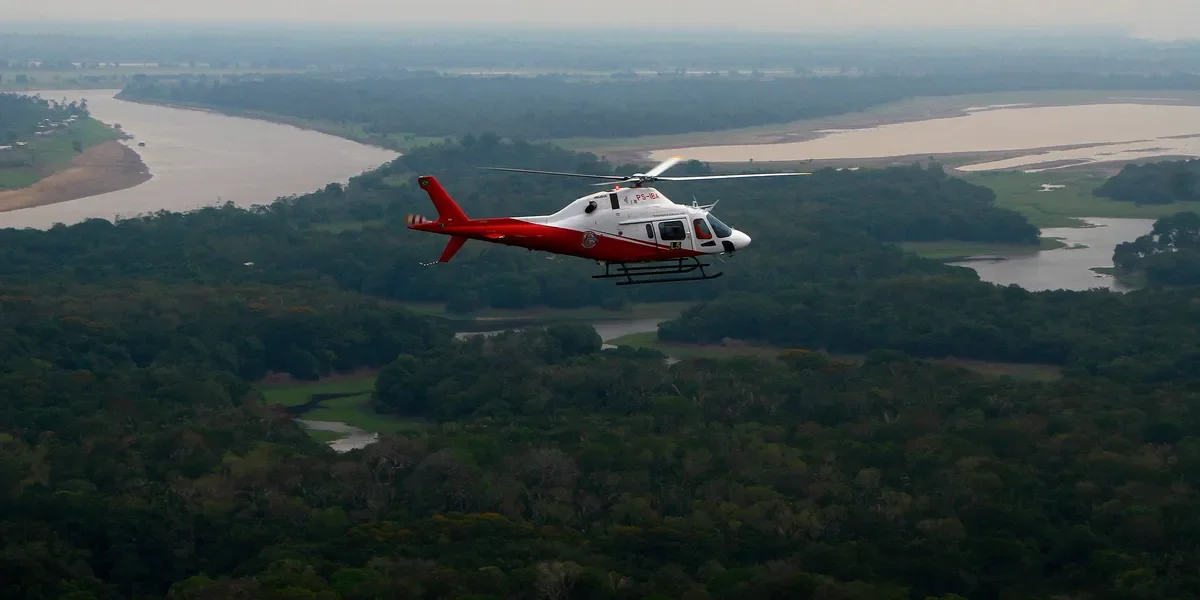
The intense campaign confrontation unfolded as official satellite monitoring data released by the National Institute for Space Research (INPE) confirmed a major environmental milestone: deforestation across the Brazilian Amazon basin dropped to its lowest recorded levels in more than a decade throughout the third quarter of 2026. The environmental achievement became a central battleground in the candidates' competing campaign narratives, with President Lula hailing the statistical drop as definitive proof of his administration’s commitment to ecological sovereignty, while the Bolsonaro campaign framed existing conservation enforcement as overly punitive toward smallholder agribusiness producers.
Polling aggregates published by major research institutes over the weekend indicate that the runoff contest remains locked in an agonizing statistical tie. Flávio Bolsonaro, who topped the October 4 first round with 47 percent of the vote, maintains a razor-thin lead in southern industrial capitals and the agribusiness Center-West, while President Lula commands overwhelming support across the Northeast and among working-class suburban voters in São Paulo and Rio de Janeiro.
Campaign Clashes Over Economic Models and Institutional Security
Speaking at a massive rally before thousands of blue-collar industrial workers in São Bernardo do Campo, President Lula framed the runoff as an existential defense of democratic governance, social safety nets, and planetary ecological balance against authoritarian regression.
"The reduction in Amazonian deforestation proves to the international community that Brazil can produce food, generate wealth, and safeguard our planetary biomes simultaneously without yielding to lawlessness," declared President Lula to thunderous cheers. "Our opponents view the rainforest merely as timber to be felled and pasture to be cleared. We view it as our greatest sovereign treasure, an irreplaceable cradle of biodiversity that commands global respect and green investment."
Campaigning concurrently in Goiânia alongside agricultural federations and regional governors, Senator Flávio Bolsonaro forcefully countered Lula’s vision, arguing that heavy-handed environmental policing and excessive regulatory fines have crippled rural livelihoods and driven up consumer food prices across working-class Brazilian households.
"The working men and women of our interior are not criminals; they are the heroic producers who feed this nation and generate our trade surpluses," Flávio Bolsonaro proclaimed. "Our government will replace administrative persecution with technological support, property title regularization, and market-driven incentives. We will bring freedom, security, and enterprise back to every corner of Brazil."
The Decisive Television Showdown on TV Globo
With undecided voters estimated at fewer than four percent nationwide, both campaign apparatuses are channeling unprecedented resources into the upcoming final televised debate broadcast by TV Globo on Friday evening, October 23. The face-to-face broadcast is projected to attract an audience exceeding 70 million viewers, serving as the definitive, unscripted crucible where the election will be won or lost.
As state security forces and the Superior Electoral Court (TSE) finalize security protocols across 570,000 electronic voting stations, Brazil stands on the precipice of a democratic milestone that will reverberate across Latin American geopolitical alignments and global climate negotiations for years to come.
Analyzes political developments, elections, and government policy with in-depth reporting.
Just for You
 POLITICS
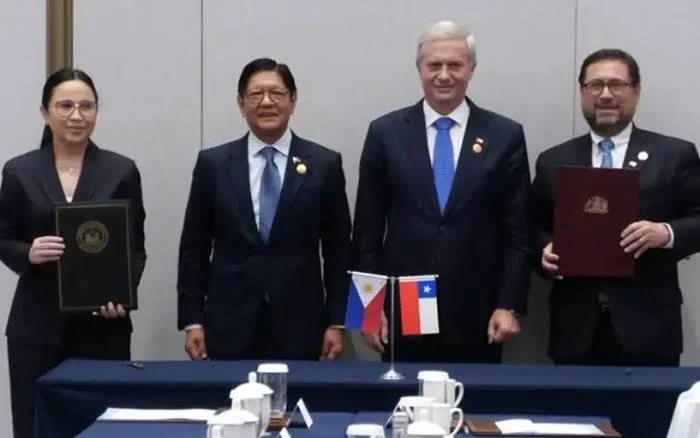
Chile and Philippines Sign Milestone Free Trade Pact at APEC Summit Opening New Trans-Pacific Corridor
On the sidelines of the APEC Leaders' Summit on November 20, 2026, Chilean President José Antonio Kast and Phi…
 POLITICS
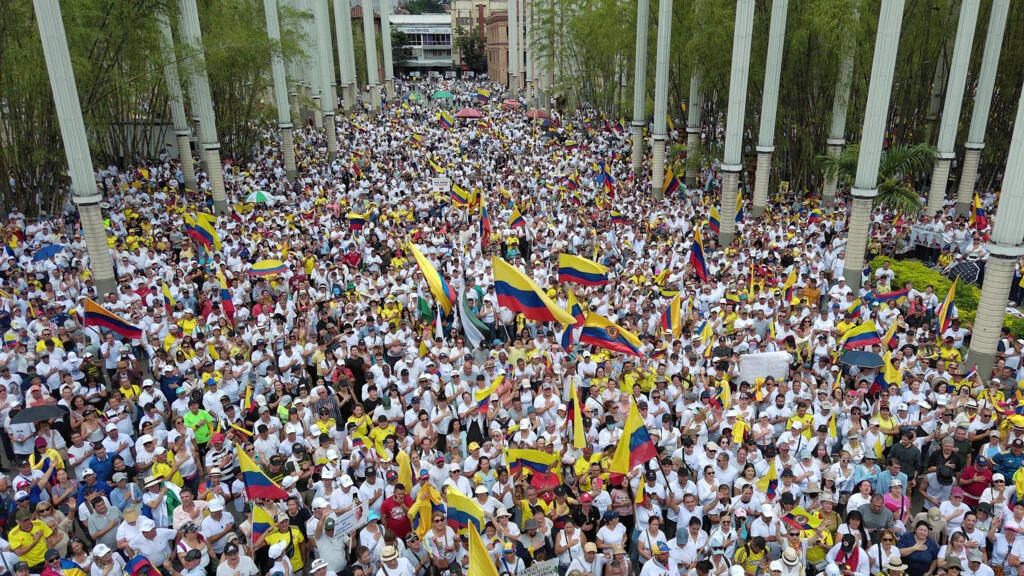
Colombia Nationwide Strike Mobilizes Hundreds of Thousands Across Major Cities Over Social and Labor Reforms
Hundreds of thousands of union members, educators, transport workers, and civic organizations paralyzed metrop…
 POLITICS
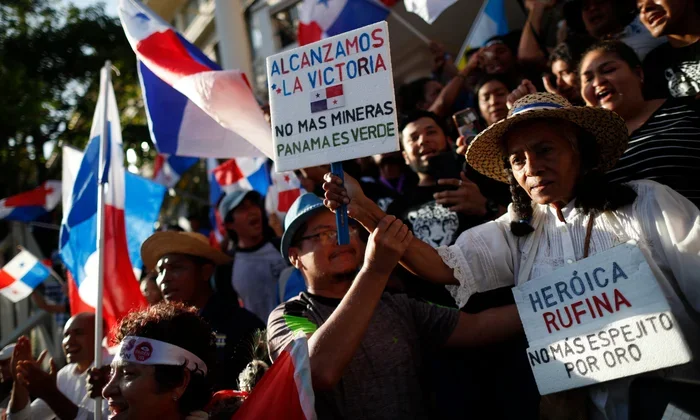
Panama City Shaken by Mass Protests as Government Reopens Review of Cobre Panama Mining Concession
Tensions escalated dramatically across Panama on November 17–18, 2026, as tens of thousands of environmentalis…
 POLITICS
President Claudia Sheinbaum Outlines Pragmatic Trade Strategy Safeguarding Sovereign Growth Ahead of USMCA Review
During an authoritative economic address at the National Palace on November 17, 2026, Mexican President Claudi…
Comments (0)
Sign in or create an account to leave a comment.