



Lula and Flavio Bolsonaro Tied in Brazil Presidential Runoff Poll
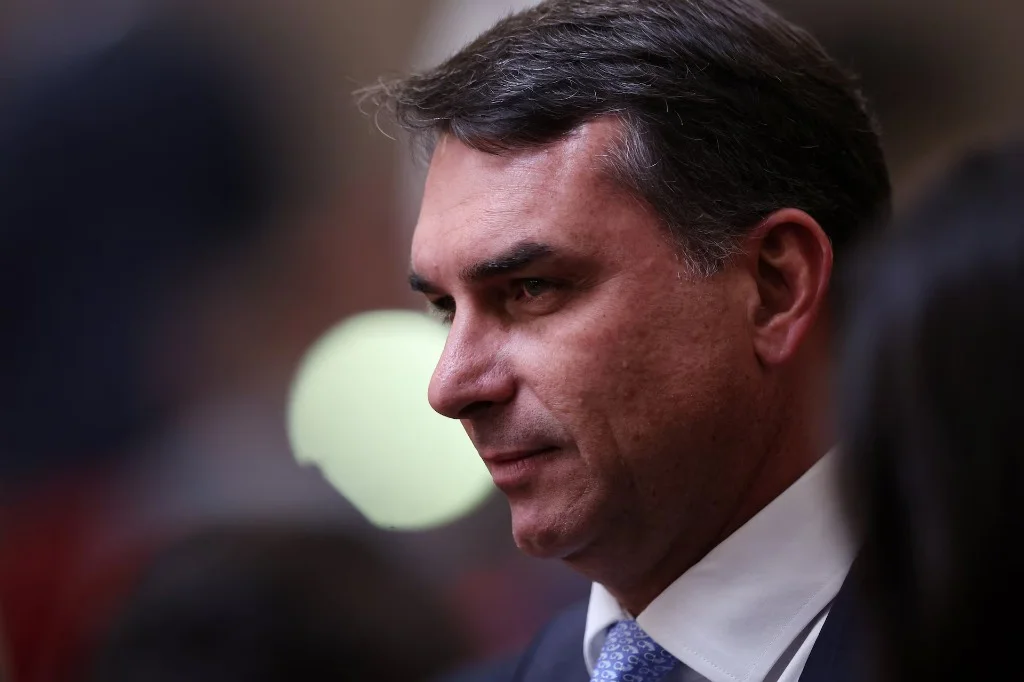
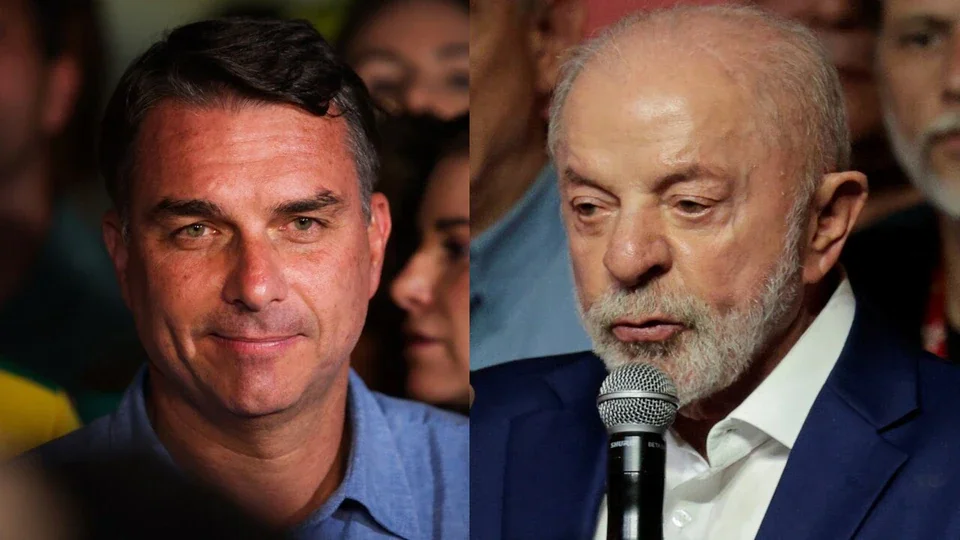
Brazilian President Lula da Silva and Senator Flavio Bolsonaro are tied at 41% in a new poll ahead of Brazil's October presidential election.





 POLITICS
Brazil's presidential election has entered a closely contested phase after a new poll showed President Luiz Inacio Lula da Silva tied with right-wing challenger Flavio Bolsonaro in a potential second-round vote. The survey, conducted by pollster Quaest between September 3 and 6, showed both candidates receiving 41% support among voters in the simulated runoff.
The result represents a slight shift from an earlier Quaest poll released on September 2, when Lula held a narrow 42% to 41% advantage over Bolsonaro. The latest figures suggest that the race remains highly competitive as Brazil moves toward the October presidential election.
The survey questioned 2,004 people and has a margin of error of two percentage points. That means the difference between the candidates is well within the poll's margin of error, highlighting the uncertainty surrounding the eventual outcome.
Brazil Election Race Tightens
Lula, who is seeking another term as president, faces growing competition from Flavio Bolsonaro, the son of former president Jair Bolsonaro and a prominent figure on Brazil's political right.
The latest poll indicates that neither candidate currently has a decisive advantage in a potential runoff. Brazil's presidential system requires a second round when no candidate receives more than half of the valid votes in the first round.
The narrowing contest could have major implications for Brazil's economic and political direction. Investors are closely watching the election because the next administration will determine policies involving government spending, taxation, investment, environmental regulation and relations with major trading partners.
The election is also being followed closely across Latin America. Brazil is the region's largest economy, and changes in its economic policies can influence regional investment flows, commodity markets and diplomatic relationships.
Opposition Seeks Momentum
The latest poll comes as Brazil's opposition seeks to build momentum ahead of the vote. Thousands of Bolsonaro supporters took part in demonstrations during Brazil's Independence Day celebrations on September 7, adding a major public show of support for the right-wing political movement.
Flavio Bolsonaro has increasingly positioned himself as the principal challenger to Lula. His campaign benefits from the political base established by his father, Jair Bolsonaro, although the former president remains a highly polarizing figure in Brazilian politics.
Lula continues to rely on his established political coalition and support among voters who favor his social and economic policies. However, the latest polling suggests that the incumbent cannot assume an easy path to reelection.
Economic Stakes for Brazil
The election will take place while Brazil faces important economic challenges, including inflation, fiscal pressures and uncertainty over government spending. The outcome could influence investor expectations about Brazil's economic policy and the country's relationship with international markets.
For businesses, the campaign is particularly important because changes in fiscal policy, taxation and regulation could affect investment decisions after the election. Brazil is also a major exporter of agricultural products, oil and minerals, making its economic policies significant for global commodity markets.
With Lula and Flavio Bolsonaro now tied in the latest Quaest runoff scenario, the next several weeks are likely to bring increased political campaigning, new polling and greater attention from investors.
The latest result does not determine the election outcome, but it demonstrates how competitive the race has become. With voting approaching in October, both campaigns face a crucial period to consolidate their supporters and persuade undecided voters.
Analyzes political developments, elections, and government policy with in-depth reporting.

Just for You
 POLITICS
Flávio Bolsonaro and Lula Advance to High-Stakes Presidential Runoff After Tight October 4 First Round
Brazil's presidential election heads to an October 25 runoff after Flávio Bolsonaro captured 47% and President…
 POLITICS
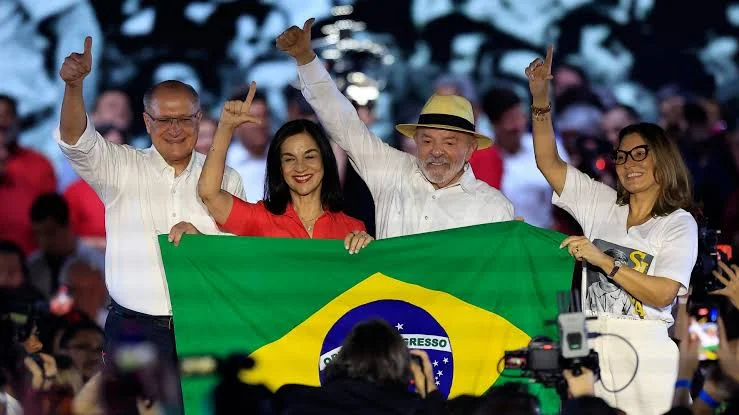
Brazil Campaign Enters Final Frenzy as TSE Deploys Unprecedented Security Ahead of October 4 General Election
Brazil's electoral court deployed over 500,000 security personnel on September 30, 2026, to safeguard the Octo…
 POLITICS
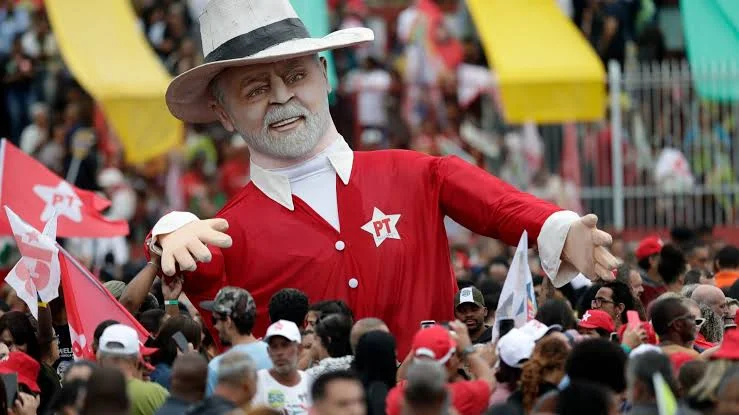
Brazil Presidential Race Deadlocked as Lula and Flávio Bolsonaro Debate Clashes Heighten Tensions Ahead of October Vote
Brazil's presidential race between President Lula and Senator Flávio Bolsonaro remains deadlocked at 41% ahead…
 POLITICS
Argentine Unions and Civil Coalitions Stage Massive 'March of Anger' Against Milei Austerity Mandates
Tens of thousands marched across Buenos Aires on September 20, 2026, in the 'March of Anger' organized by Arge…
Comments (0)
Sign in or create an account to leave a comment.