



Outrage Erupts Across Latin America Following Assassination of Ecuadorian Journalist Tomas Beltran
The targeted assassination of veteran investigative reporter Tomás Beltrán on November 12, 2026, in the coastal province of Manabí has ignited regional condemnation across Latin America, galvanizing demands for immediate state protection for journalists exposing transnational narcotics cartels.





 POLITICS
A shockwave of collective fury and grief reverberated across the South American continent on Thursday, November 12, 2026, following the brutal assassination of veteran Ecuadorian investigative reporter and civic advocate Tomás Beltrán in the coastal port city of Manta. The 48-year-old journalist, whose hard-hitting exposés for independent media consortia had systematically dismantled corrupt public-procurement rings and detailed how transnational drug cartels infiltrated municipal security structures along the Pacific coast, was gunned down by hired motorcycle assassins as he departed a radio broadcasting studio.
The brazen daylight attack immediately triggered emergency demonstrations across major cities including Quito, Guayaquil, and Cuenca, where hundreds of journalists, university students, and civil society leaders marched in silence holding white banners emblazoned with the slogan 'Silencing the Press Will Not Silence the Truth.' Beltrán had reportedly received repeated death threats over recent months following the publication of his widely cited multi-part investigative series 'Shadow Ports,' which exposed maritime cocaine smuggling corridors operating through unauthorized coastal docks in Manabí and Esmeraldas provinces.
Condemnation poured in swiftly from regional leaders, multilateral bodies, and global human rights organizations. In Washington, the Inter-American Commission on Human Rights (IACHR) and its Office of the Special Rapporteur for Freedom of Expression issued a stinging joint communiqué demanding that Ecuadorian authorities conduct an immediate, exhaustive, and independent investigation to identify not merely the trigger-pullers, but the intellectual masterminds behind the hit. The Committee to Protect Journalists (CPJ) and Reporters Without Borders categorized the murder as a direct assault on the fundamental tenets of Latin American democracy.
President Daniel Noboa convened an extraordinary late-night session of the State and Public Security Council (COSEPE) at the Carondelet Palace, announcing an immediate nationwide state of emergency across Manabí and deploying specialized elite anti-terrorist intelligence units to hunt down the perpetrators. 'This cowardice will not go unpunished,' Noboa declared during a somber televised address. 'Our administration will deploy the full armed power of the republic to crush the criminal syndicates that dare attempt to extinguish the voices of our independent journalists and terrorize our citizens.'
Press freedom coalitions throughout Colombia, Mexico, Peru, and Brazil also held concurrent solidarity vigils outside Ecuadorian embassies, demanding that regional governments establish a multilateral early-warning defense network to protect frontline journalists operating in conflict-ridden narcotics corridors. Beltrán's tragic killing underscores the immense peril confronting independent investigative journalism across Latin America, where reporters frequently risk their lives to hold powerful criminal enterprises and corrupt public officials accountable.
Focuses on international relations, global trade, and geopolitical developments.
Just for You
 POLITICS
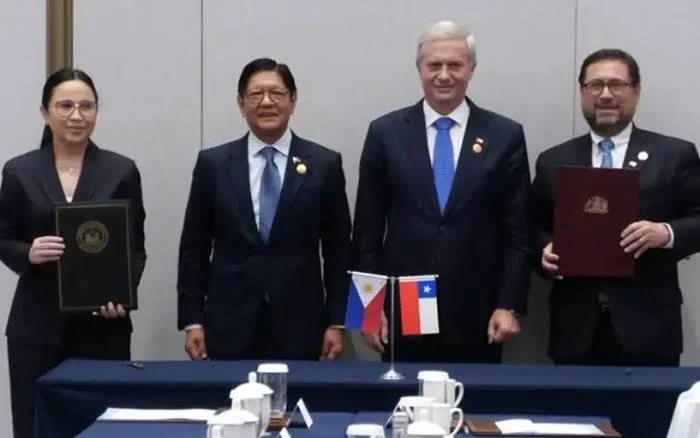
Chile and Philippines Sign Milestone Free Trade Pact at APEC Summit Opening New Trans-Pacific Corridor
On the sidelines of the APEC Leaders' Summit on November 20, 2026, Chilean President José Antonio Kast and Phi…
 POLITICS
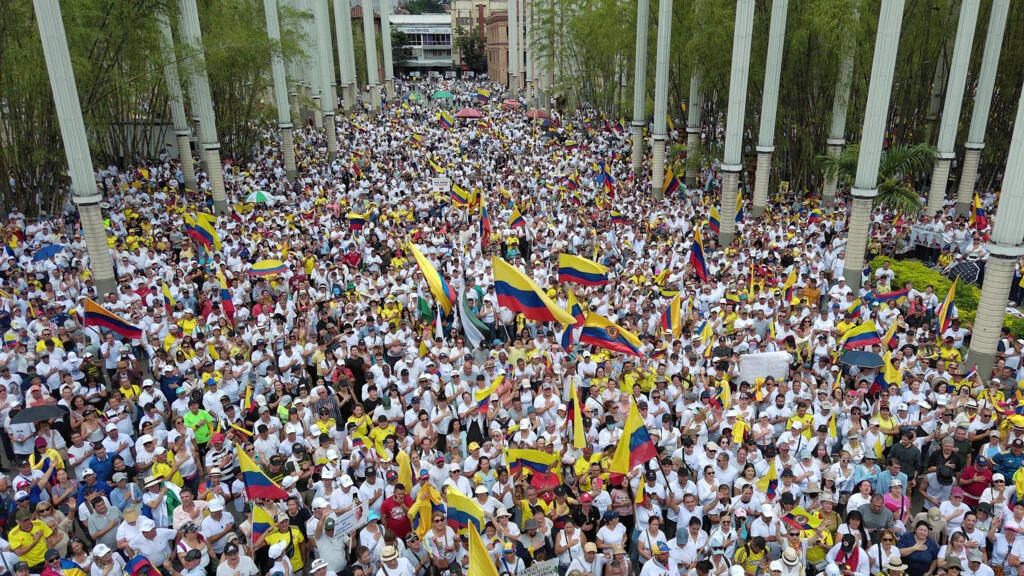
Colombia Nationwide Strike Mobilizes Hundreds of Thousands Across Major Cities Over Social and Labor Reforms
Hundreds of thousands of union members, educators, transport workers, and civic organizations paralyzed metrop…
 POLITICS
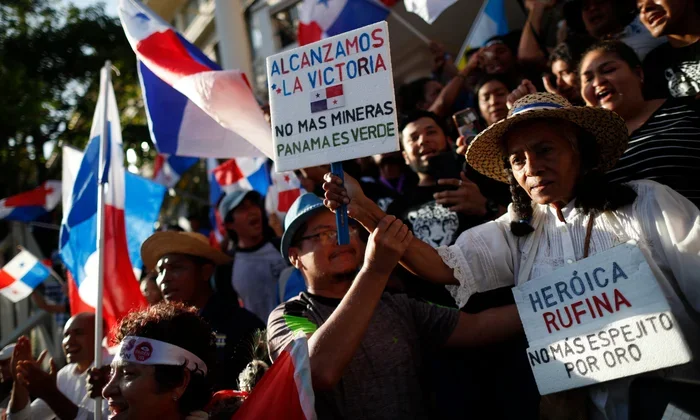
Panama City Shaken by Mass Protests as Government Reopens Review of Cobre Panama Mining Concession
Tensions escalated dramatically across Panama on November 17–18, 2026, as tens of thousands of environmentalis…
 POLITICS
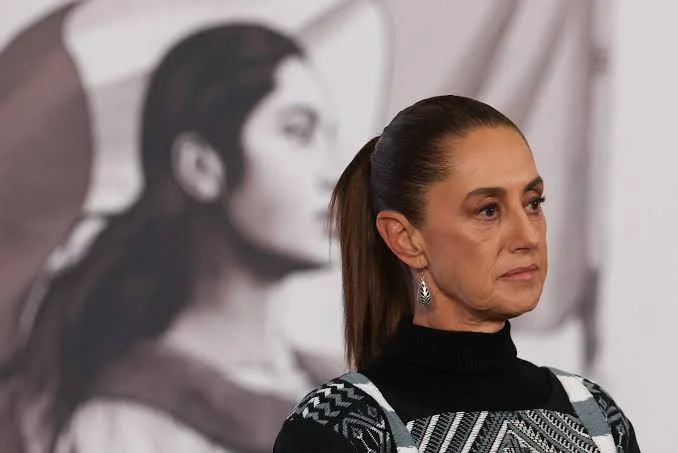
President Claudia Sheinbaum Outlines Pragmatic Trade Strategy Safeguarding Sovereign Growth Ahead of USMCA Review
During an authoritative economic address at the National Palace on November 17, 2026, Mexican President Claudi…
Comments (0)
Sign in or create an account to leave a comment.