



Peru Election: Fujimori, Sánchez Lead Vote
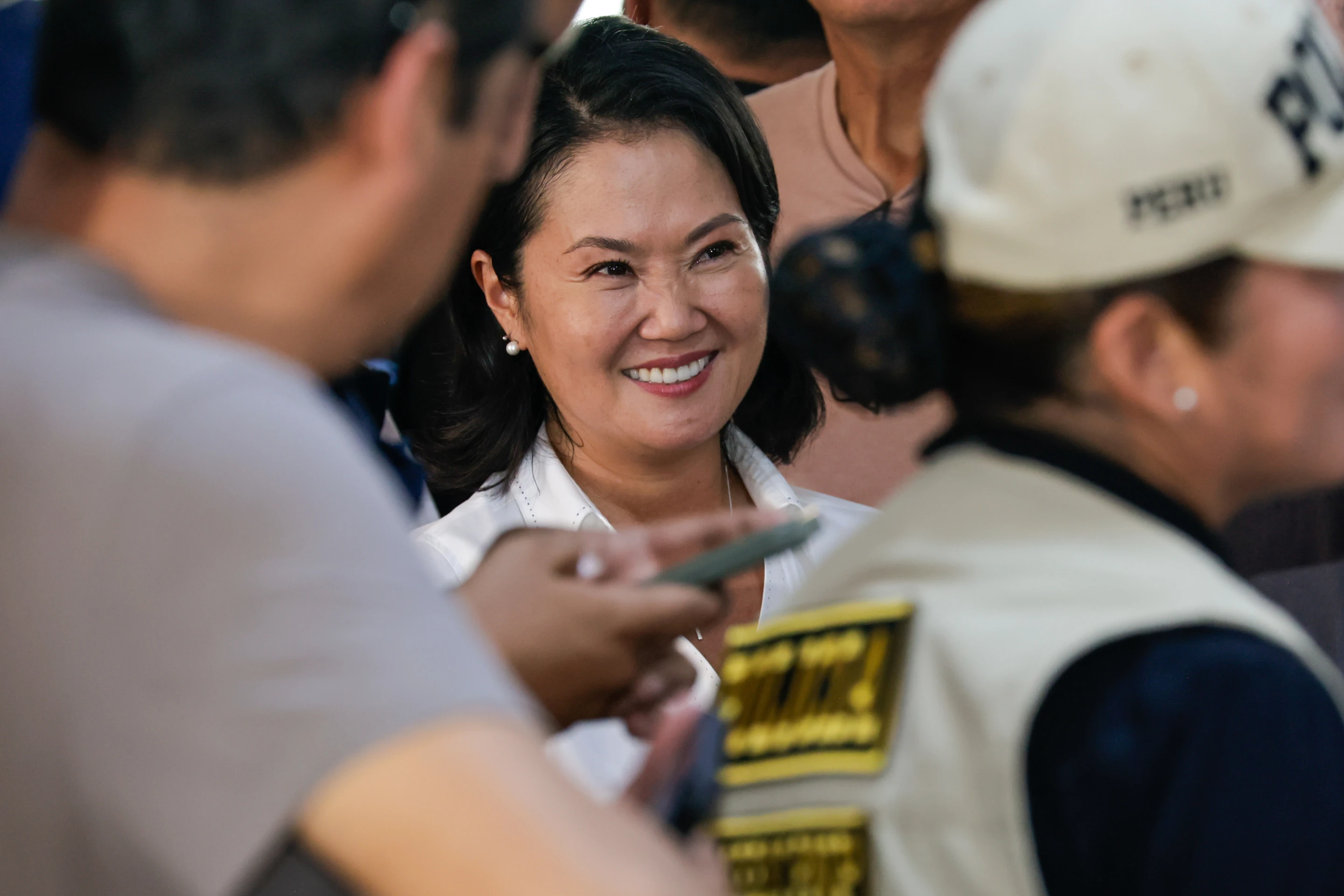
Fujimori and Sánchez lead Peru’s presidential race.





 POLITICS
Lima: Allies of former presidents are leading Peru’s presidential election as vote counting continues days after polls closed, highlighting ongoing political uncertainty in the country.
With 90% of ballots counted, conservative candidate Keiko Fujimori is ahead with 16.98% of the vote, followed by nationalist lawmaker Roberto Sánchez at 12.04%. Close behind is Rafael López Aliaga with 11.90%, setting the stage for a potential runoff.
Delayed Voting and Counting Issues
The election process has been marred by logistical problems, forcing authorities to extend voting into Monday after delays in ballot distribution left thousands unable to vote on Sunday.
More than 52,000 voters in Lima, along with Peruvians in cities like Orlando and Paterson, were allowed additional time to cast ballots. The slow counting process mirrors past elections, including the 2021 vote that took several days to finalize.
Runoff Likely as No Majority Emerges
Under Peru’s electoral system, a candidate must secure more than 50% of the vote to win outright. With no clear majority, the top two candidates are expected to advance to a runoff scheduled for June 7.
The next president will take office amid continued political instability, becoming Peru’s ninth leader in just a decade.
Political Legacy and Controversy
Fujimori, making her fourth bid for the presidency, is the daughter of former President Alberto Fujimori, whose rule ended in scandal and imprisonment despite early economic and security successes.
She has pledged to crack down on crime, though critics argue that policies supported by her party could weaken efforts to prosecute criminal networks.
Sánchez, a former minister and ally of ex-President Pedro Castillo, has signaled he could use presidential powers to pardon political allies, including Castillo, who is currently imprisoned.
Voter Discontent and Economic Stability
The election takes place against a backdrop of rising crime and corruption, fueling public frustration with political leadership. Many voters view candidates as unprepared or lacking credibility.
Despite political turmoil, Peru’s economy has shown resilience, supported by strong copper exports and stable monetary policy. However, growth has slowed compared to previous decades.
Why This Election Matters
The outcome of this election could shape Peru’s political direction at a time of deep institutional instability. Analysts say the next administration will face mounting pressure to restore public trust and address crime and corruption.
Analyzes political developments, elections, and government policy with in-depth reporting.

Just for You
 POLITICS
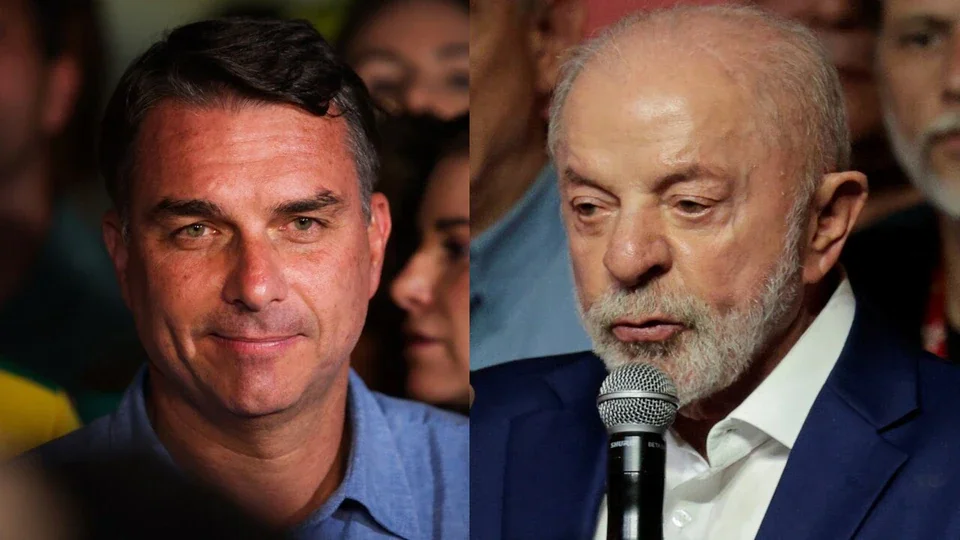
Flávio Bolsonaro and Lula Advance to High-Stakes Presidential Runoff After Tight October 4 First Round
Brazil's presidential election heads to an October 25 runoff after Flávio Bolsonaro captured 47% and President…
 POLITICS
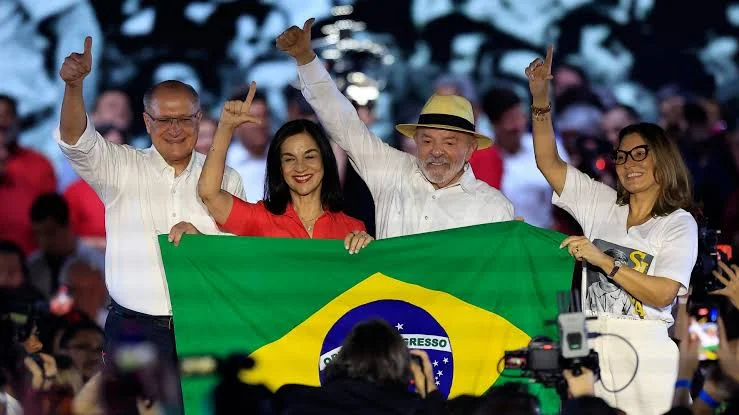
Brazil Campaign Enters Final Frenzy as TSE Deploys Unprecedented Security Ahead of October 4 General Election
Brazil's electoral court deployed over 500,000 security personnel on September 30, 2026, to safeguard the Octo…
 POLITICS
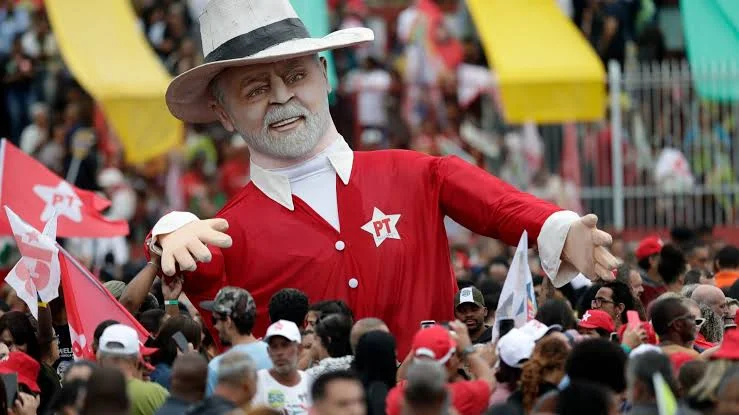
Brazil Presidential Race Deadlocked as Lula and Flávio Bolsonaro Debate Clashes Heighten Tensions Ahead of October Vote
Brazil's presidential race between President Lula and Senator Flávio Bolsonaro remains deadlocked at 41% ahead…
 POLITICS
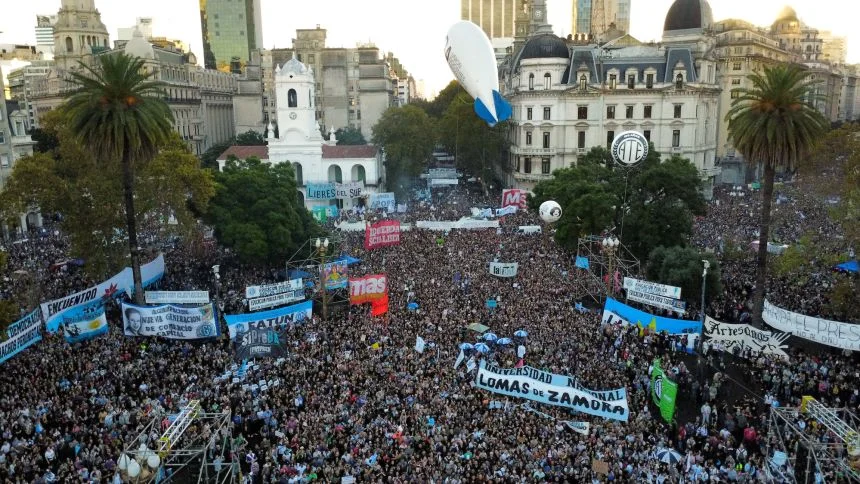
Argentine Unions and Civil Coalitions Stage Massive 'March of Anger' Against Milei Austerity Mandates
Tens of thousands marched across Buenos Aires on September 20, 2026, in the 'March of Anger' organized by Arge…
Comments (0)
Sign in or create an account to leave a comment.