







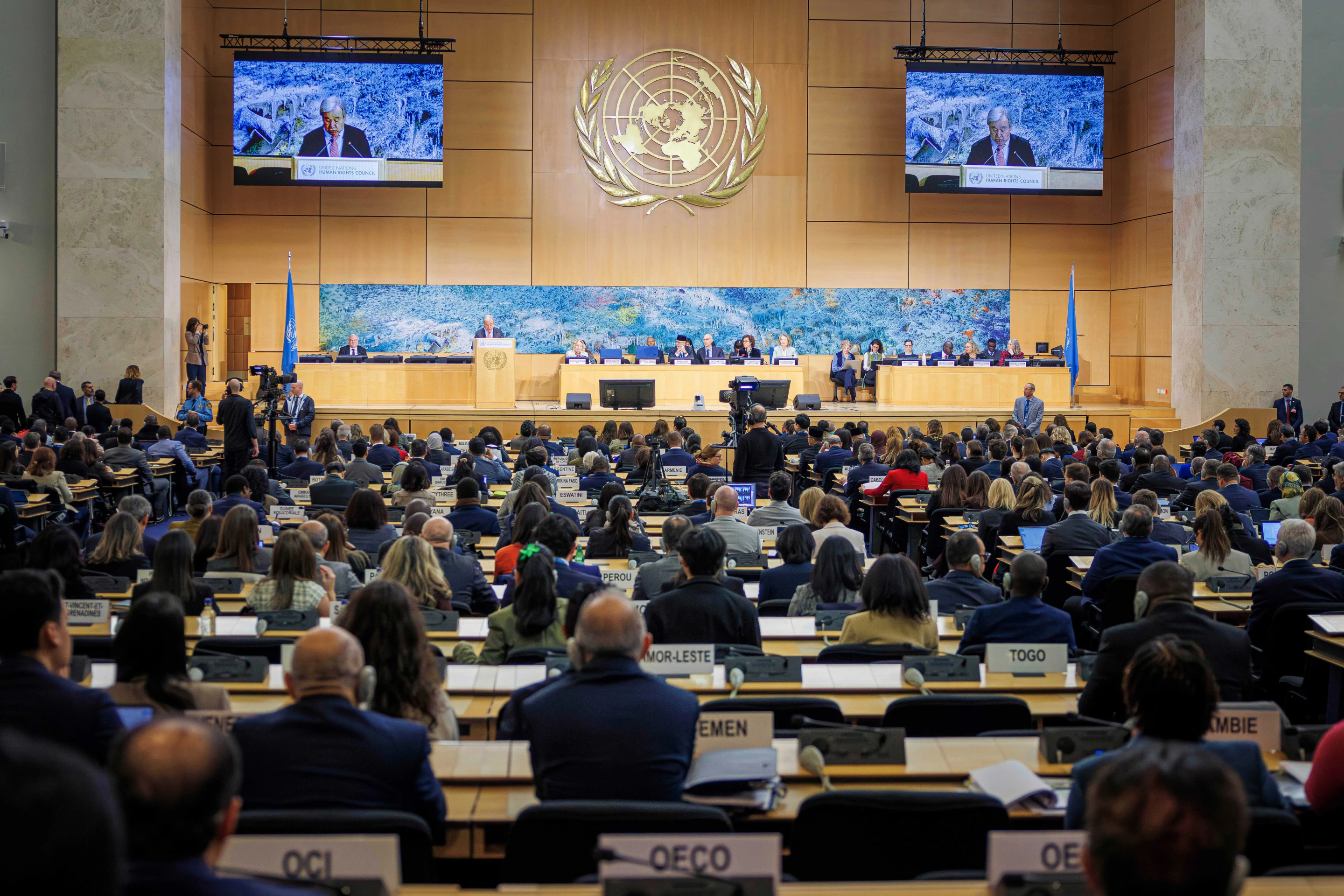
United Nations: The race to succeed current UN Secretary-General António Guterres has begun with just four candidates stepping forward — a sharp drop compared to the crowded field seen a decade ago.
The candidates will present their visions this week in a series of public question-and-answer sessions before representatives of the UN’s 193 member states.
Four Candidates in the Spotlight
The lineup includes former Chilean President Michelle Bachelet, Argentina’s Rafael Mariano Grossi, Costa Rica’s Rebeca Grynspan, and former Senegalese President Macky Sall.
Three of the four candidates come from Latin America, reinforcing expectations that the region may be next in line to lead the global body under the traditional rotation system.
Why Fewer Candidates This Time?
The limited number of candidates reflects a more cautious political environment shaped by rising geopolitical tensions and divisions among major world powers.
Unlike in 2016, when 13 candidates competed for the role, potential contenders today appear more hesitant, given the diplomatic risks involved if they fail to secure support from influential countries such as the United States or China.
A More Divided Global Landscape
The current global climate is markedly different from a decade ago. Ongoing conflicts and deep political divisions have weakened the United Nations’ ability to act decisively on key international issues.
The UN Security Council has struggled to reach consensus on major crises, including conflicts in Ukraine, Gaza, and Iran, raising questions about the organization’s effectiveness.
Selection Process and Power Dynamics
While all UN member states participate in the selection process, the final decision largely rests with the Security Council, where the five permanent members — the United States, Russia, China, the United Kingdom, and France — hold veto power.
This structure means that even strong candidates must navigate complex geopolitical considerations to secure the role.
Push for a Female Secretary-General
Advocacy groups and several countries continue to push for the appointment of the first female UN Secretary-General. Two of the four candidates — Bachelet and Grynspan — are women.
However, political dynamics, particularly in Washington, may influence the final outcome, with some analysts suggesting that geopolitical preferences could outweigh gender considerations.
Challenges Ahead for the Next UN Leader
The next Secretary-General will inherit a role shaped by global instability, declining multilateral cooperation, and growing skepticism toward international institutions.
Whoever is selected will need to navigate complex diplomatic tensions while attempting to restore the UN’s influence in global governance.
Related: Read also:
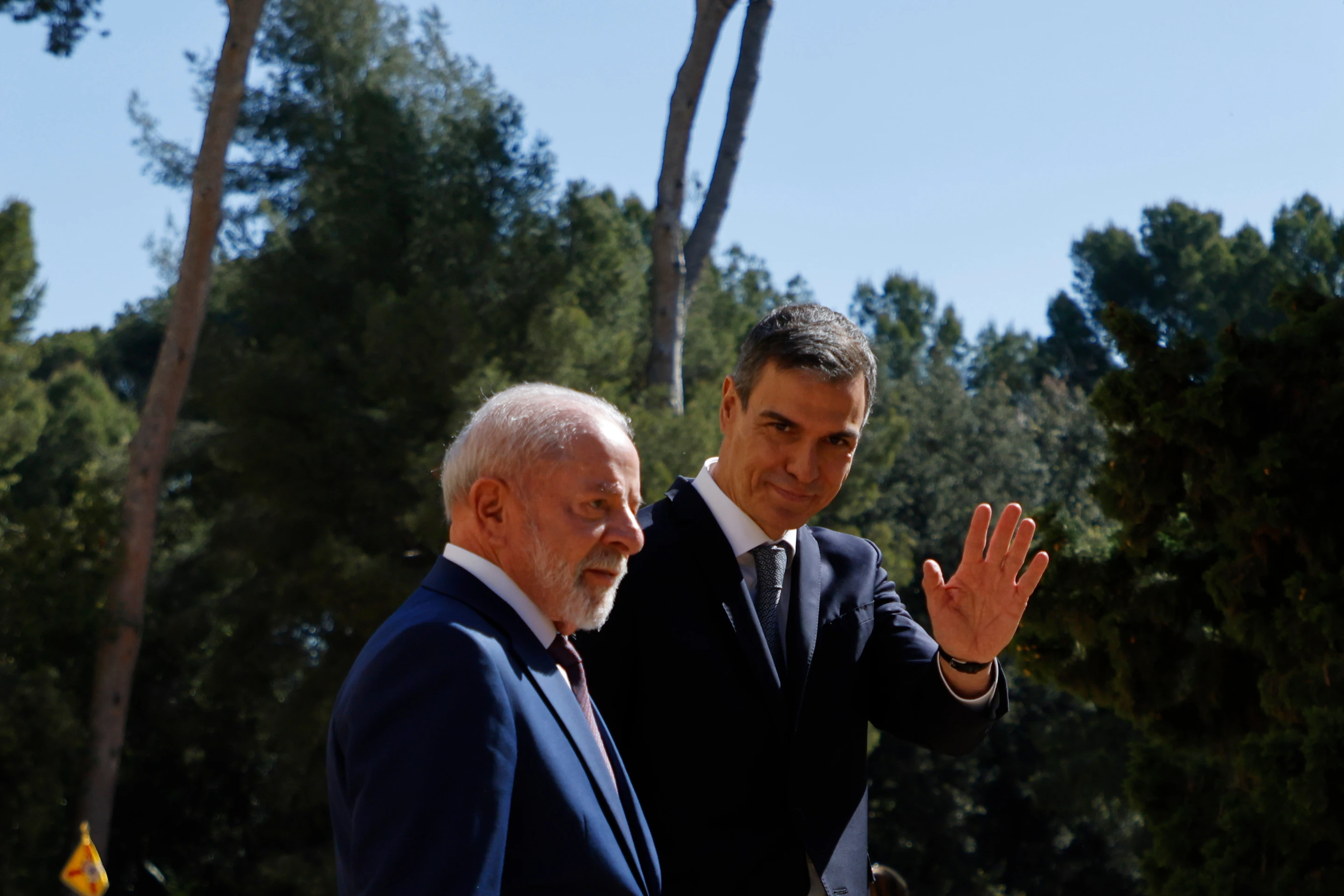
Lula and Sánchez Lead Democracy Summit in Barcelona,
Leave a Comment
Your email address will not be published. Required fields are marked *