



US Midterms Shockwaves: Democratic Congressional Wins Jolt Latin American Diplomatic Alliances
The dramatic Democratic retaking of the U.S. House of Representatives and Senate in the November 2026 midterms has triggered swift geopolitical recalibrations across Latin America, impacting trade policies, security pacts, and bilateral financing.





 POLITICS
The geopolitical equilibrium governing hemispheric relations underwent an abrupt and consequential tectonic disruption on November 4, 2026, as electoral authorities in Washington finalized vote counts confirming decisive Democratic majorities in both the United States Senate and the House of Representatives following the contentious 2026 midterm elections. Across Latin American presidential palaces, foreign ministries, and financial trading floors, diplomats and economic planners moved swiftly to evaluate the far-reaching policy consequences of a newly divided American government poised to assert aggressive legislative oversight over executive foreign affairs, trade pacts, and international monetary commitments.
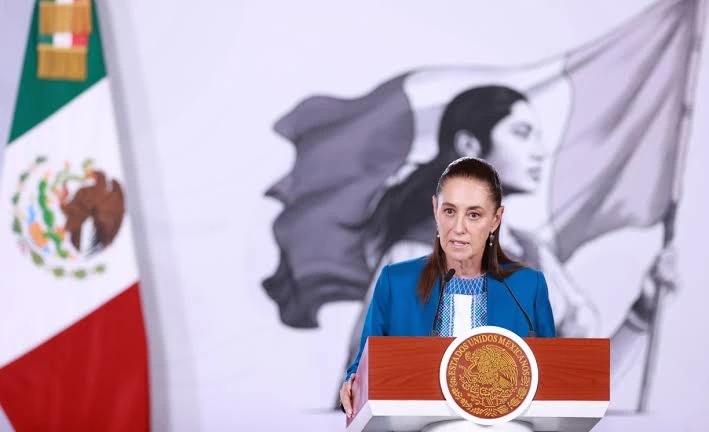
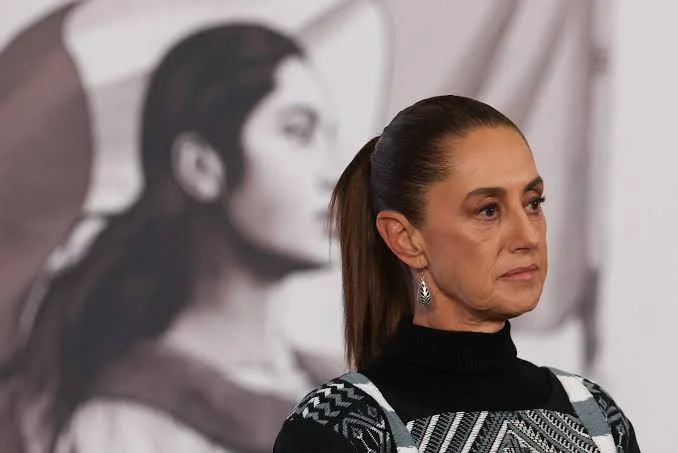
In Mexico City, President Claudia Sheinbaum took to the lectern at the National Palace during her Wednesday morning press briefing to deliver a measured yet clearly celebratory diplomatic reaction. Sheinbaum emphasized the democratic maturity demonstrated by the American electorate while highlighting historic milestones achieved by Mexican-American candidates who secured seats across key congressional delegations in Texas, California, and Illinois. The Mexican head of state underscored that while institutional collaboration with the White House remains robust on border infrastructure and cross-border security protocols, Mexico's negotiating teams are fully prepared to navigate heightened congressional oversight regarding upcoming formal reviews of the USMCA treaty scheduled for early 2027.
'Our bilateral relationship with our northern neighbor transcended individual political parties decades ago; it is rooted in profound cultural fraternity, interconnected labor markets, and shared regional destiny,' President Sheinbaum stated before international correspondents. 'We look forward to constructive, respectful, and sovereign engagement with the newly configured United States Congress, defending our domestic industrial policies, labor protections, and the fundamental rights of Mexican nationals residing abroad with dignity and legal consistency.'
By contrast, the political atmosphere inside the Casa Rosada in Buenos Aires was markedly tense. Argentine President Javier Milei, who had heavily aligned his administration's ideological posture and economic restructuring strategy with conservative circles in Washington, maintained an uncharacteristic radio silence across his social media accounts throughout the forty-eight hours following the U.S. election returns. Financial analysts in Buenos Aires observed immediate market sensitivity, noting that an extraordinary twenty-billion-dollar bilateral currency swap arrangement and specialized export credit guarantees previously championed by the U.S. executive branch now face rigorous congressional subpoenas and appropriations committee hearings led by incoming House Democratic leadership.
In Brasília, diplomatic aides close to President Luiz Inácio Lula da Silva expressed quiet satisfaction with the legislative outcome. The Brazilian government anticipates that an empowered Democratic legislative majority in Washington will seek renewed multilateral partnerships on global climate financing, Amazonian conservation endowments, and renewable energy technology transfers. Brazilian foreign policy architects noted that congressional committees are likely to block unilateral tariff proposals and extraterritorial sanctions that had recently threatened Mercosur agricultural exports to North American consumers.
Meanwhile, across Central America and the Andes, governments are bracing for shifts in foreign assistance conditionality. Legislative leaders in Washington have already signaled intentions to tie bilateral security allocations and anti-narcotics funding strictly to judicial independence, human rights verifications, and civil society protections—reinvigorating diplomatic friction with hardline administrations while opening fresh diplomatic avenues for moderate democratic reformers throughout the Americas.
Covers major sporting events, athlete performance, and global sports industry trends.
Just for You
 POLITICS
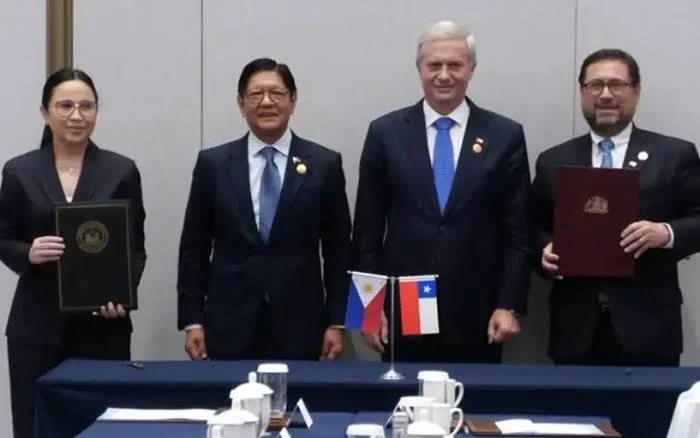
Chile and Philippines Sign Milestone Free Trade Pact at APEC Summit Opening New Trans-Pacific Corridor
On the sidelines of the APEC Leaders' Summit on November 20, 2026, Chilean President José Antonio Kast and Phi…
 POLITICS
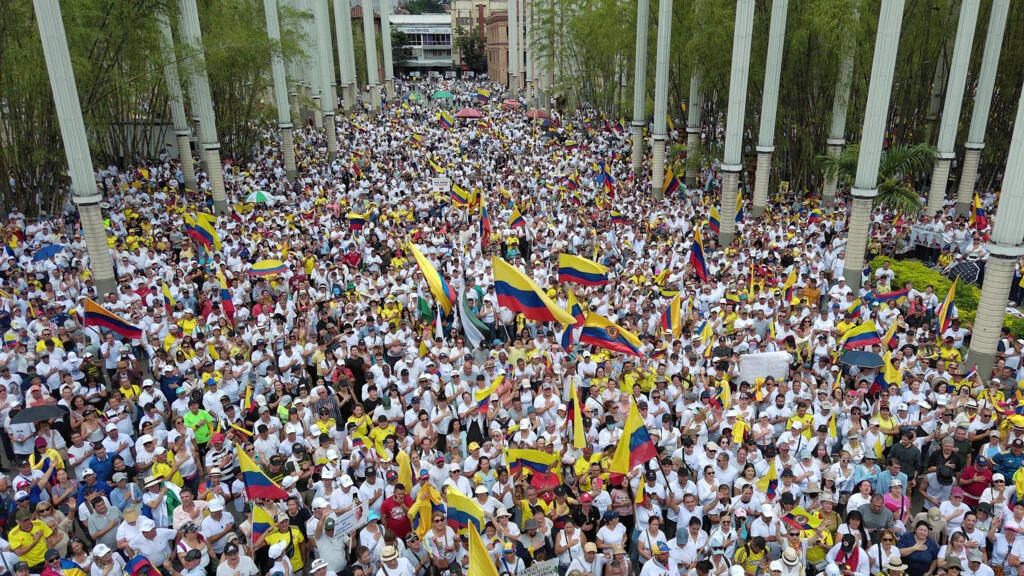
Colombia Nationwide Strike Mobilizes Hundreds of Thousands Across Major Cities Over Social and Labor Reforms
Hundreds of thousands of union members, educators, transport workers, and civic organizations paralyzed metrop…
 POLITICS
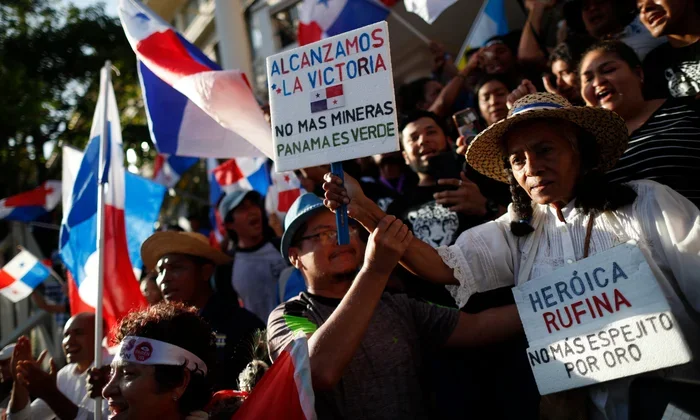
Panama City Shaken by Mass Protests as Government Reopens Review of Cobre Panama Mining Concession
Tensions escalated dramatically across Panama on November 17–18, 2026, as tens of thousands of environmentalis…
 POLITICS
President Claudia Sheinbaum Outlines Pragmatic Trade Strategy Safeguarding Sovereign Growth Ahead of USMCA Review
During an authoritative economic address at the National Palace on November 17, 2026, Mexican President Claudi…
Comments (0)
Sign in or create an account to leave a comment.