



US Revokes Visas of Costa Rican Media Executives
Visa move sparks press concerns.





 POLITICS
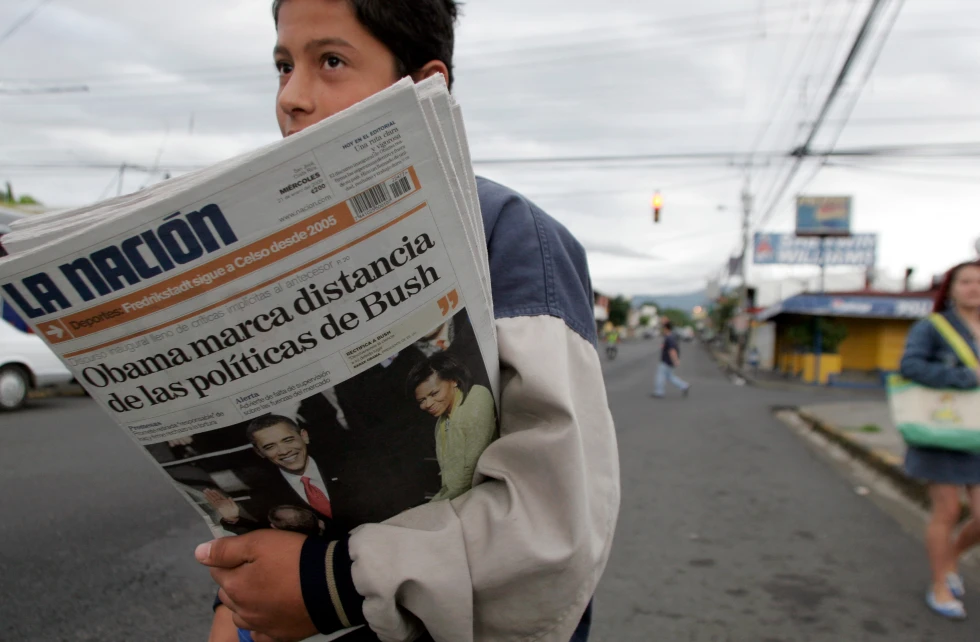
San José: Executives from La Nación, one of Costa Rica’s leading newspapers, have had their U.S. visas revoked in a move that has sparked widespread concern about press freedom and political pressure.
The newspaper’s board of directors revealed the decision in a front-page statement, noting that affected members first learned of the visa cancellations through reports in pro-government media.
Unexplained Visa Revocations
According to the publication, U.S. authorities did not provide any explanation for revoking the visas. The U.S. State Department has not commented publicly on the matter.
La Nación acknowledged that the United States has the sovereign right to control entry into its territory, but described the move as unprecedented in Costa Rica’s recent history, particularly given that it targets leaders of an independent news organization.
Political Context and Tensions
The newspaper has frequently clashed with outgoing President Rodrigo Chaves, who has criticized the outlet since it reported allegations of misconduct during his 2022 presidential campaign.
Chaves is considered a close ally of U.S. President Donald Trump, and his administration has cooperated with U.S. immigration policies, including accepting deportees from third countries.
Growing Press Freedom Concerns
Press freedom groups and opposition figures have condemned the visa revocations, warning that such actions could be used to intimidate journalists and silence dissent.
Critics argue that if the decision was influenced by political considerations, it could signal a troubling erosion of democratic norms and freedom of expression.
Journalist and former communications minister Mauricio Herrera suggested the move may have been prompted by Costa Rican authorities, calling it an attempt to intimidate critics.
Broader Pattern of Visa Cancellations
The incident follows a series of similar actions involving prominent figures in Costa Rica. In recent months, U.S. visas have been revoked for politicians, judges, and public figures critical of the government.
Among them were former President Óscar Arias, a Nobel laureate, and other high-profile officials known for opposing government policies.
Transition of Power Ahead
The controversy unfolds as President Chaves prepares to leave office, with President-elect Laura Fernández set to take over leadership.
Observers say the incident could influence the political climate during the transition, particularly regarding press freedom and institutional independence in Costa Rica.
Analyzes political developments, elections, and government policy with in-depth reporting.

Just for You
 POLITICS
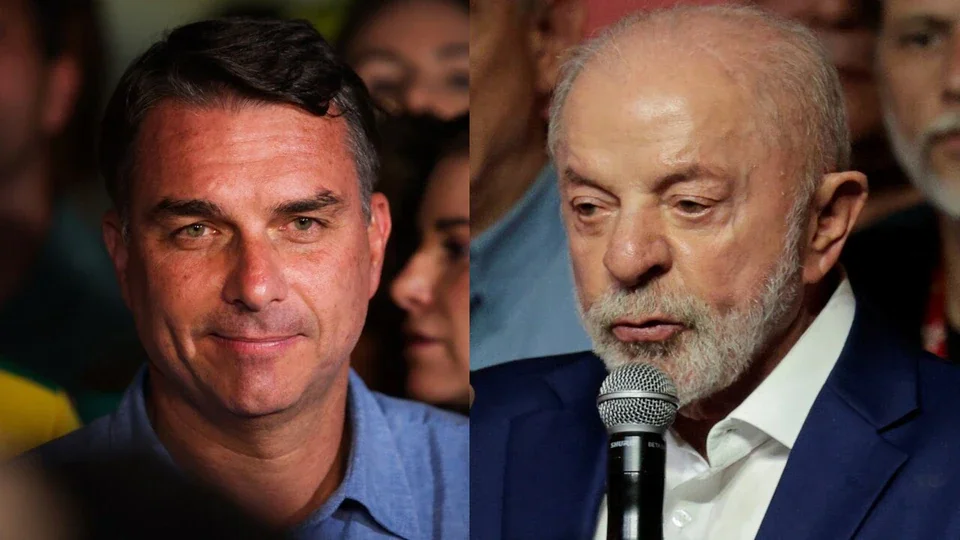
Flávio Bolsonaro and Lula Advance to High-Stakes Presidential Runoff After Tight October 4 First Round
Brazil's presidential election heads to an October 25 runoff after Flávio Bolsonaro captured 47% and President…
 POLITICS
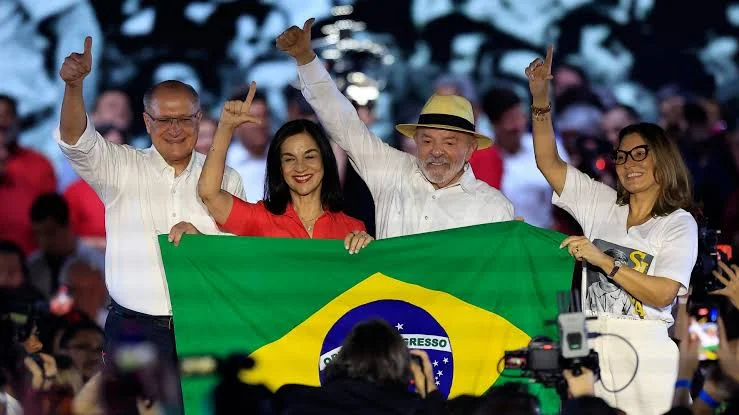
Brazil Campaign Enters Final Frenzy as TSE Deploys Unprecedented Security Ahead of October 4 General Election
Brazil's electoral court deployed over 500,000 security personnel on September 30, 2026, to safeguard the Octo…
 POLITICS
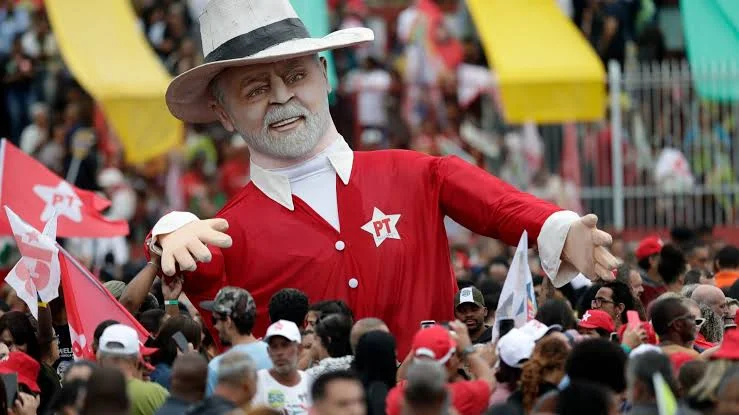
Brazil Presidential Race Deadlocked as Lula and Flávio Bolsonaro Debate Clashes Heighten Tensions Ahead of October Vote
Brazil's presidential race between President Lula and Senator Flávio Bolsonaro remains deadlocked at 41% ahead…
 POLITICS
Argentine Unions and Civil Coalitions Stage Massive 'March of Anger' Against Milei Austerity Mandates
Tens of thousands marched across Buenos Aires on September 20, 2026, in the 'March of Anger' organized by Arge…
Comments (0)
Sign in or create an account to leave a comment.