



World Tourism Day Celebrations in El Salvador Highlight Artificial Intelligence and Sustainable Travel Innovations Across Latin America
Global celebrations for World Tourism Day on September 27, 2026, in El Salvador spotlighted AI integration, smart destinations, and sustainable eco-tourism growth across Latin America.





 TOURISM
World Tourism Day 2026 was celebrated with international distinction on September 27, 2026, as heads of state, tourism ministers, airline executives, and tech innovators convened in San Salvador, El Salvador—the official global host nation designated by the United Nations World Tourism Organization (UN Tourism)—to showcase transformative digital technologies, artificial intelligence integration, and regenerative ecological tourism across Latin America.
Convened under the official 2026 global theme, "Digital Agenda and Artificial Intelligence to Redesign Tourism," the international summit positioned Latin America at the forefront of the technological revolution reshaping the hospitality industry. Over three days of ministerial dialogues, tech exhibitions, and green investment roundtables, delegates explored how advanced predictive algorithms, biometric airport processing, smart destination management systems, and real-time carrying capacity monitoring can simultaneously optimize traveler experiences while safeguarding fragile natural and cultural heritage sites.
The hosting honors marked a significant milestone for El Salvador, whose government under President Nayib Bukele has leveraged public security turnarounds and massive seaside infrastructure investments—such as the coastal "Surf City" corridor—to position the nation as one of the fastest-growing leisure and adventure destinations in the Western Hemisphere.
Pioneering Green Investments and Regenerative Tourism Models
While artificial intelligence and digital traveler interfaces dominated keynote presentations, discussions throughout the summit reinforced that technology must serve sustainable ecological conservation. Bilateral delegations from Costa Rica, Colombia, and Mexico led high-level roundtables on how green investment instruments, sustainable tourism bonds, and biodiversity credit programs are funding nature-positive tourism infrastructure.
Costa Rican tourism officials presented their national framework as a global benchmark, highlighting that more than 95 percent of the country's electricity grid is powered by renewable energy, enabling eco-resorts and conservation corridors to offer verifiable zero-carbon stays. Colombian delegates shared progress on community-led regenerative tourism programs in the Amazon basin and Pacific rainforests that train former combatants and indigenous youth as eco-guides, transforming forest conservation into profitable local livelihoods.
"Tourism in Latin America is moving beyond traditional mass travel to embrace a model rooted in authenticity, environmental stewardship, and cutting-edge technology," declared UN Tourism leadership during the closing plenary in San Salvador. "By deploying artificial intelligence to distribute visitor flows responsibly away from overcrowded hotspots and toward emerging community destinations, Latin America is proving that economic growth and ecological preservation can reinforce one another."
Surging Sector Growth and Future Regional Trajectory
According to economic data released during the celebrations by the World Travel & Tourism Council (WTTC), travel and tourism gross domestic product across Central and South America is projected to expand by 4.1 percent throughout 2026, easily outpacing global average rates of 3.2 percent, with international visitor spending jumping by nearly 8 percent.
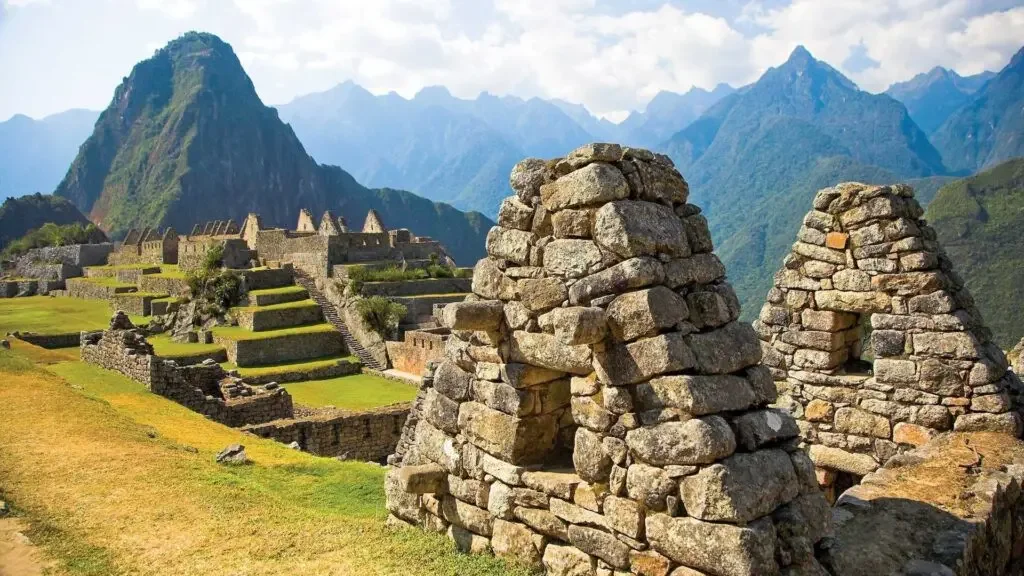
With major Latin American destinations like Peru enacting strict real-time digital ticketing systems to protect monuments like Machu Picchu, and nations across the Caribbean expanding climate-resilient airport infrastructure, the declarations adopted at World Tourism Day in San Salvador establish a forward-looking roadmap for an interconnected, technologically empowered, and environmentally sustainable regional tourism economy.
Reports on global tourism trends, travel industry developments, and destination insights.

Just for You
 TOURISM
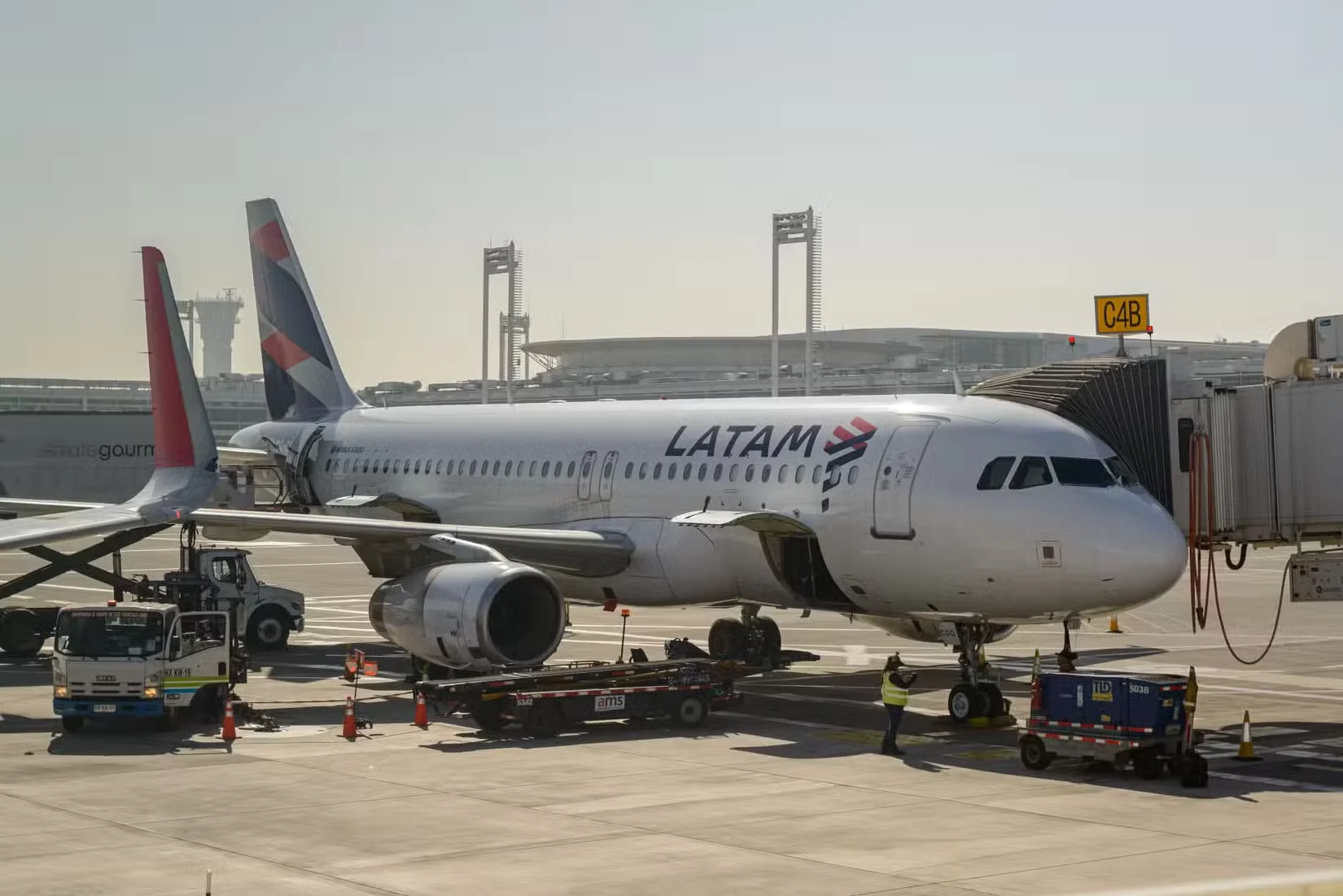
Latin American Airline Connectivity Expands Rapidly with New Nonstop Routes and Next-Generation Satellite Tech
Aviation networks across Latin America expanded in early October 2026 with new nonstop routes linking North Am…
 TOURISM
FIT América Latina 2026 Concludes in Buenos Aires with Record $1.4 Billion in Travel Commercial Negotiations and Eco-Tourism Pacts
FIT América Latina 2026 closed in Buenos Aires on September 29, 2026, generating a record $1.4 billion in trav…
 TOURISM
Peru Overhauls Machu Picchu Ticketing Regulations with Strict 15-Minute Purchase Window to Protect Ancient Sanctuary
Peru has enacted strict new ticketing rules for Machu Picchu on September 20, 2026, enforcing a mandatory 15-m…
 TOURISM
San Juan Hotel Deal: Stay for $167 Per Night
Affordable $167 stay at Hyatt Place San Juan with prime location.
Comments (0)
Sign in or create an account to leave a comment.