



Colombia Says Military Kills Key FARC Dissident Commander in Major Operation
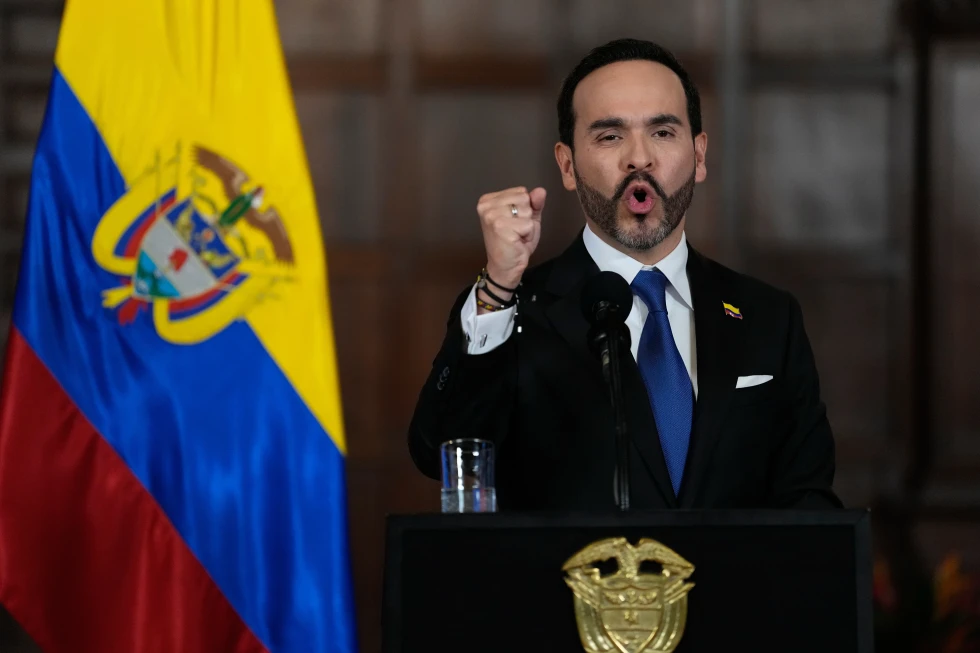
Colombian President Abelardo de la Espriella says security forces killed senior FARC dissident commander Felipe "Arcadio" of the Jaime Martínez faction in a major southwestern military operation, calling it a blow to Iván Mordisco's network as the government intensifies its crackdown on armed groups.





 WORLD
WORLDPresident Abelardo de la Espriella of Colombia said that in a military operation in the southwest of the country, government forces killed a senior commander of a dissident FARC faction, calling the action a major blow to armed groups operating outside the country's 2016 peace agreement.
The commander, who went by the aliases "Felipe" and "Arcadio," was identified by authorities as a leading figure within the Jaime Martínez faction, a dissident group that arose from former Revolutionary Armed Forces of Colombia (FARC) members who spurned the historic peace deal.
"This is a great victory for the network of Iván Mordisco, the dissident leader of the FARC," said De la Espriella, who warned that military operations against illegal armed groups would continue.
Military Action Against Dissident FARC Network
The Colombian government said the operation was carried out in a volatile southwestern region where armed groups tied to drug trafficking, extortion and attacks on security forces remain active.
President de la Espriella released footage that appeared to show a body bag, as well as weapons and ammunition allegedly taken in the operation. Authorities identified the individual as Felipe "Arcadio."
Felipe was a commander in the Jaime Martínez faction of the larger dissident FARC movement, officials said.
These groups were formed after some ex-FARC members rejected the 2016 peace agreement that ended decades of war between the Colombian government and the main FARC organization.
Government Blames Commander for Several Attacks
Colombian authorities have accused Felipe of taking part in a string of violent attacks across the country.
President de la Espriella said the commander was connected to attacks on police installations in Valle del Cauca with explosives dropped by drones.
Authorities also charged him with involvement in explosives-filled gas cylinders used in roadside bomb attacks, attacks on military formations, burnings of vehicles, extortion schemes, and other criminal activities linked to armed groups.
The allegations have not been independently verified, but Colombian officials have defended the operation as part of a broader campaign against illegal armed organizations.
De La Espriella Adopts a Harder Stance Against Armed Groups
The operation indicates a radical change in the security policy of the country of Colombia under the leadership of President Abelardo de la Espriella.
The president has promised a more aggressive military response to armed groups and has moved away from the previous administration's emphasis on negotiated peace efforts.
De la Espriella has asked the leaders of illegal armed groups to surrender or face continued military operations, including Iván Mordisco.
Felipe's killing was a big blow to the leadership structure of the dissident faction, the president said.
The move comes as Colombia continues to be plagued by armed groups that built up their presence in the wake of the 2016 FARC peace deal.
Dissident FARC Remains a Threat to Security
The original FARC organization formally disarmed after the peace agreement, but several factions rejected the deal and continued armed activity.
These dissident groups had remained active in regions that were affected by illegal mining, drug-trafficking routes and territorial feuds.
The Jaime Martínez faction is one of the groups that authorities say poses a major threat to security.
According to Colombian authorities, these groups have thrived by operating illegal economies and attacking state forces.
Military operations have become a more frequent tool for the government to destroy their leadership structures.
More Clampdown on Criminal Networks
The statement came shortly after other security operations against criminal groups.
President de la Espriella said Colombian authorities announced the capture of Emilio José Cordero Sierra, aka "Fantasma," recently. He is accused of coordinating cocaine and military equipment exchanges with armed groups.
Colombian authorities say Cordero Sierra is wanted by US authorities on terrorism and drug-trafficking charges.
The Colombian government has also approved extraditions of several suspects whose cases had languished under the former administration's peace policies.
The actions are part of a broader security campaign to dismantle armed and criminal networks.
Political Management of the Operation
President de la Espriella will probably use the killing of Felipe "Arcadio" to bolster his argument that military pressure is needed to restore security.
The operation, in the eyes of government backers, shows that a tougher approach can weaken armed groups.
But critics say military victories alone may not solve deeper problems that allow armed organizations to survive, including poverty, limited state presence and illegal economies.
Colombia's decades-long conflict has shown that the death of individual commanders does not necessarily spell the end of armed movements. Many groups have replaced fallen leaders and moved on in the past.
Colombia: The Struggle for Security Continues
The killing of Felipe "Arcadio" is one of the most significant recent operations by the Colombian government against FARC dissidents.
President de la Espriella has vowed to continue the offensive against armed groups who refuse to lay down their weapons.
But the wider security challenge is complicated, with a number of armed organizations operating in different parts of the country. Now the government has to address the challenge of turning military victories into long-term stability.
The killing of Felipe "Arcadio" is a big security victory for Colombia's new administration, but the fight against armed dissident groups is far from over.
Focuses on international relations, global trade, and geopolitical developments.

Just for You
 WORLD
WORLDLatin American Business Travel Spending Surges Toward Record $67.7 Billion Amid Regional Corporate Expansion
Business travel spending in Latin America is forecast to hit a record $67.7 billion in 2026, an 11% annual inc…
 WORLD
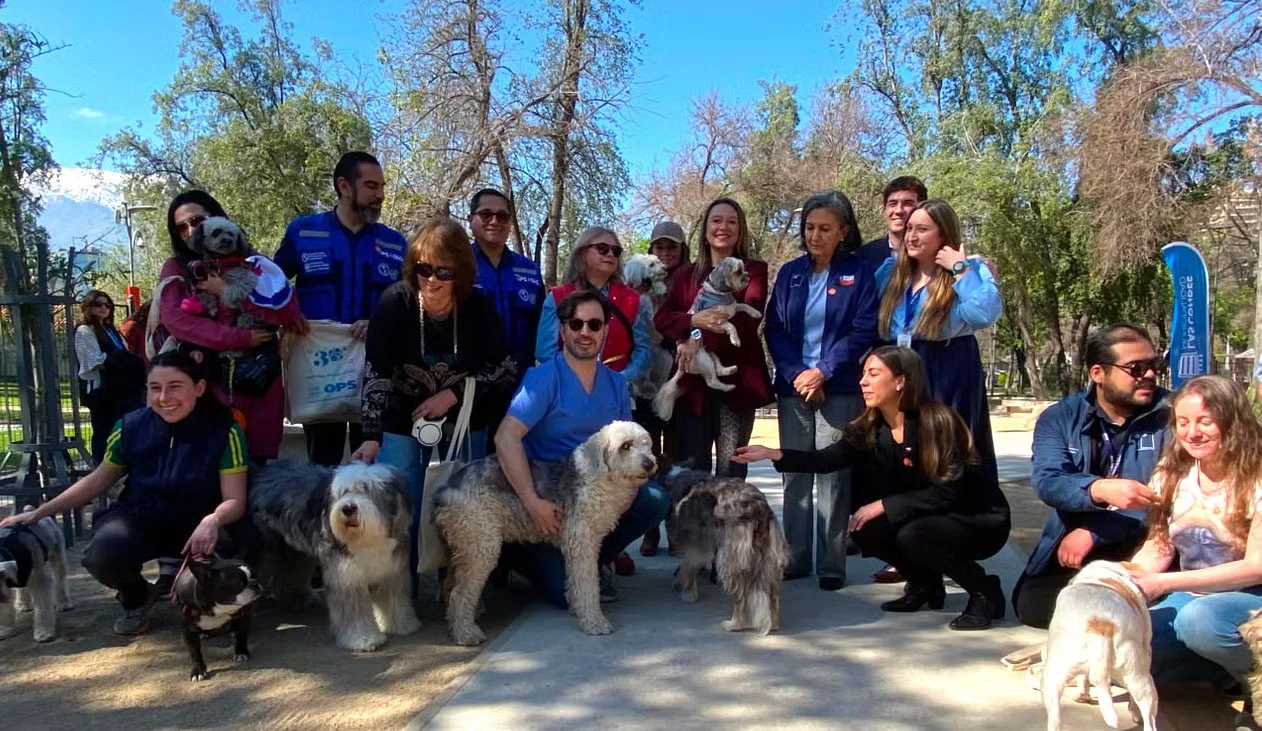
WORLDPan American Health Organization Validates Chile as First South American Nation to Eliminate Dog-Mediated Rabies
PAHO and WHO officially certified on September 29, 2026, that Chile has eliminated dog-transmitted rabies, bec…
 WORLD
WORLDUnited States Revokes Visas for 27 Latin American Officials Under Shield of the Americas Anti-Corruption Mandate
The U.S. State Department revoked visas for 27 Latin American officials and family members from Bolivia, Colom…
 WORLD
WORLDEighteen Suspects in Jovenel Moïse Assassination Extradited to United States as Judicial Cooperation Expands
Eighteen key suspects in the 2021 assassination of Haitian President Jovenel Moïse were extradited to the Unit…
Comments (0)
Sign in or create an account to leave a comment.