



Eighteen Suspects in Jovenel Moïse Assassination Extradited to United States as Judicial Cooperation Expands
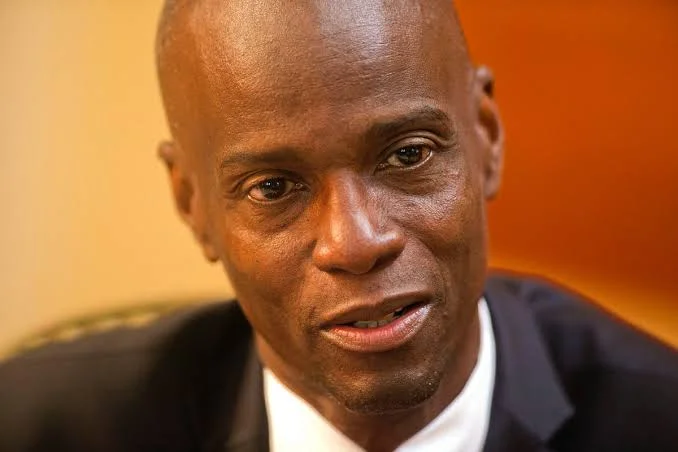
Eighteen key suspects in the 2021 assassination of Haitian President Jovenel Moïse were extradited to the United States on September 20, 2026, to face federal conspiracy and murder charges in Miami.





 WORLD
WORLDIn one of the most consequential developments in the international pursuit of accountability for the July 2021 assassination of Haitian President Jovenel Moïse, judicial and law enforcement authorities in Port-au-Prince confirmed on September 20, 2026, that eighteen primary criminal suspects have been formally extradited to the United States to face federal prosecution for conspiracy to commit murder and maritime arms trafficking.
The high-security transfer was carried out at Toussaint Louverture International Airport under the direct coordination of the Haitian National Police (PNH), agents from the U.S. Federal Bureau of Investigation (FBI), and the United States Marshals Service. The extradited individuals, comprising former Colombian military contractors, international logistics coordinators, and Haitian-American security operatives, were flown to Miami to be arraigned before the U.S. District Court for the Southern District of Florida, where key ringleaders have already entered guilty pleas or received life sentences.
The assassination of President Moïse at his private residence in Pétion-Ville plunged the Caribbean nation into years of institutional paralysis, allowing heavily armed criminal federations to seize control of vast swaths of Port-au-Prince and surrounding transport corridors. The formal extradition of the remaining eighteen suspects marks a decisive shift toward untangling the broader international financing apparatus and clandestine logistical pipelines that facilitated the fatal operation.
Strengthening Hemispheric Law Enforcement Cooperation
Haitian judicial officials emphasized that the extradition treaty execution reflects a renewed mandate by Haiti’s Transitional Presidential Council and international partners to combat impunity across the region. With local courtrooms frequently targeted by gang harassment, armed raids, and judicial intimidation, transferring high-value cases to federal jurisdictions with robust witness protection infrastructure has become essential for securing uncompromised verdicts.
"Today's coordinated extradition sends an unmistakable message across our hemisphere: borders will not shield those who plot the violent overthrow and assassination of a sovereign head of state," declared interim Haitian Minister of Justice Patrick Pelissier during an emergency press briefing in Port-au-Prince. "We are working hand-in-hand with international judicial authorities to ensure that every financier, arms smuggler, and operational commander connected to this tragedy answers fully for their crimes."
U.S. federal prosecutors stated that evidence gathered from intercepted encrypted communications, banking wire transfers across South Florida, and weapons inventories seized in the Caribbean will form the backbone of the expanding indictments. The newly transferred defendants face charges carrying maximum statutory penalties of life imprisonment without parole under extraterritorial federal murder conspiracy statutes.
Regional Implications for Caribbean Security and Stability
Regional diplomats and foreign policy analysts noted that the extradition also revitalizes multilateral momentum for the Multinational Security Support (MSS) mission operating on the ground in Port-au-Prince. Restoring judicial confidence is viewed by international donors as a crucial prerequisite for organizing future general elections and reclaiming territory from paramilitary street cartels.
The Caribbean Community (CARICOM) and the Organization of American States (OAS) issued concurrent statements commending the bilateral extradition procedure, emphasizing that dismantling transnational mercenary networks is indispensable to restoring institutional order throughout the Greater Antilles. As judicial proceedings commence in South Florida, legal observers expect further disclosures regarding the corporate shells and financial transactions that bankrolled the conspiracy.
Focuses on international relations, global trade, and geopolitical developments.

Just for You
 WORLD
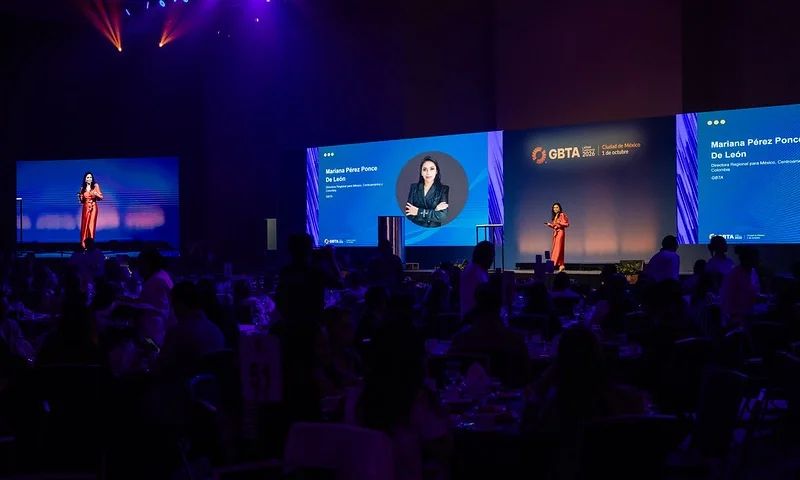
WORLDLatin American Business Travel Spending Surges Toward Record $67.7 Billion Amid Regional Corporate Expansion
Business travel spending in Latin America is forecast to hit a record $67.7 billion in 2026, an 11% annual inc…
 WORLD
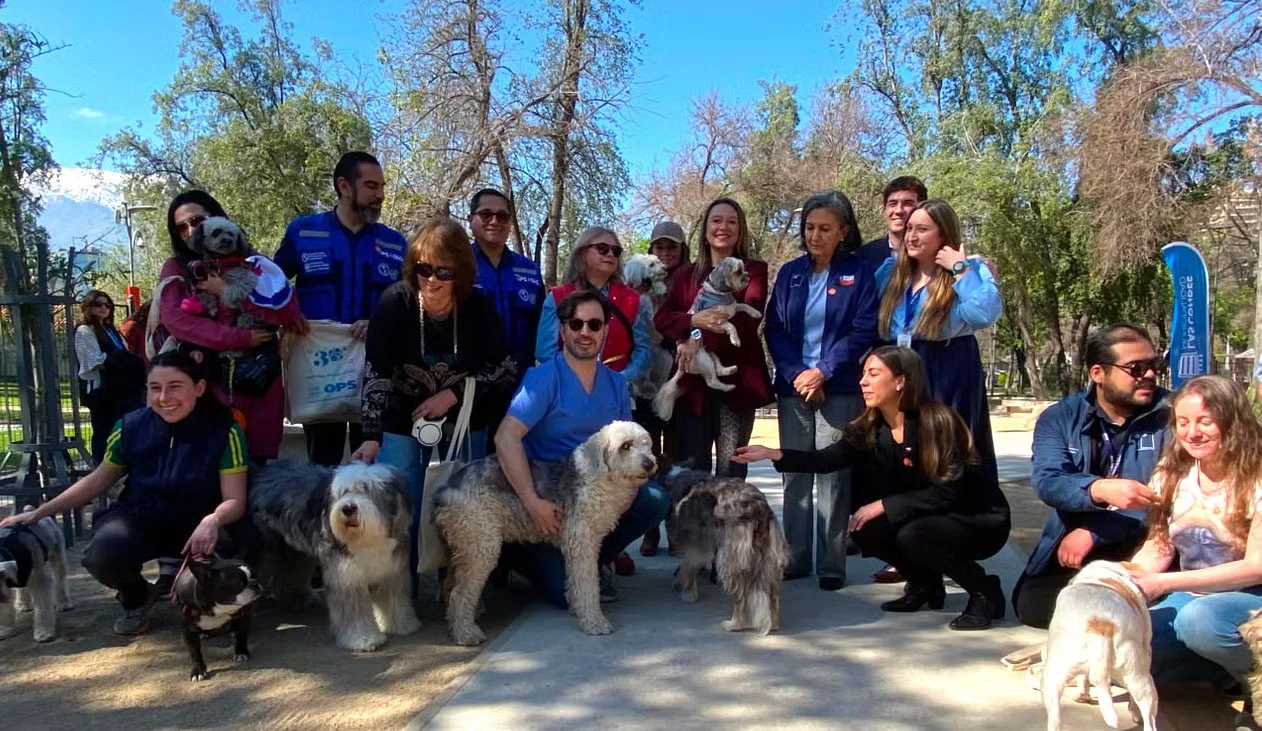
WORLDPan American Health Organization Validates Chile as First South American Nation to Eliminate Dog-Mediated Rabies
PAHO and WHO officially certified on September 29, 2026, that Chile has eliminated dog-transmitted rabies, bec…
 WORLD
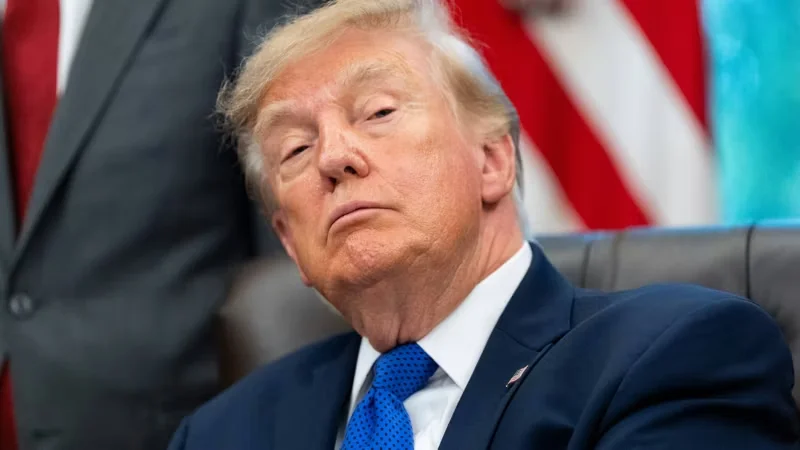
WORLDUnited States Revokes Visas for 27 Latin American Officials Under Shield of the Americas Anti-Corruption Mandate
The U.S. State Department revoked visas for 27 Latin American officials and family members from Bolivia, Colom…
 WORLD
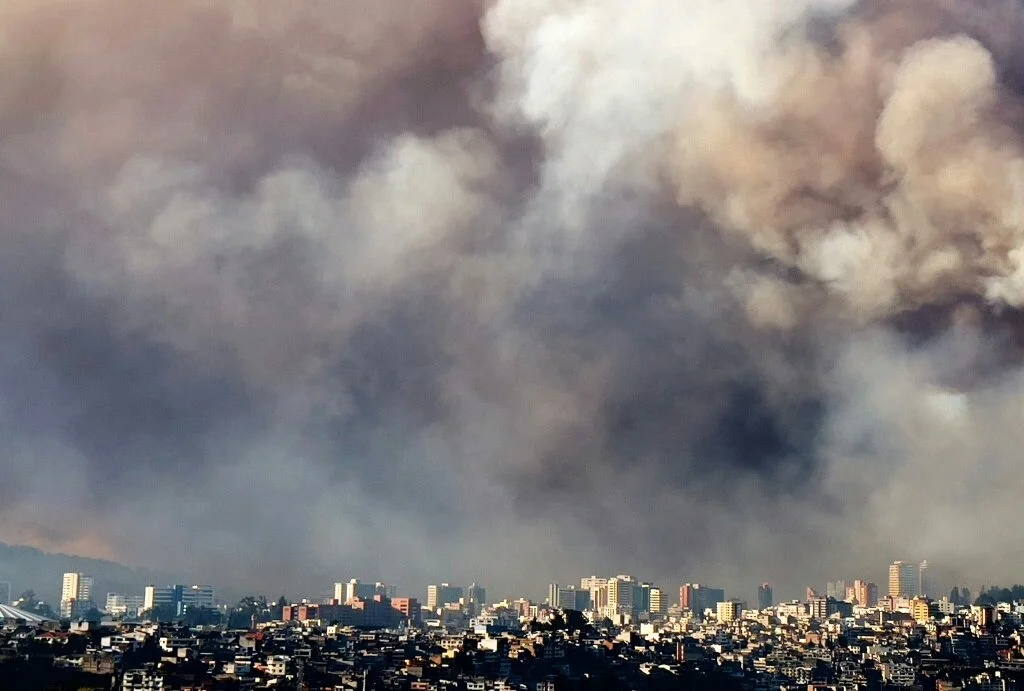
WORLDFierce Wildfires Encroach on Quito as Firefighters and Residents Battle Blazes Across Ecuador Capital
Emergency crews and local residents are battling ferocious forest fires threatening residential neighborhoods …
Comments (0)
Sign in or create an account to leave a comment.