



Paraguay President Santiago Peña Resigns Amid Massive Ueno Bank Insolvency Crisis and Street Protests
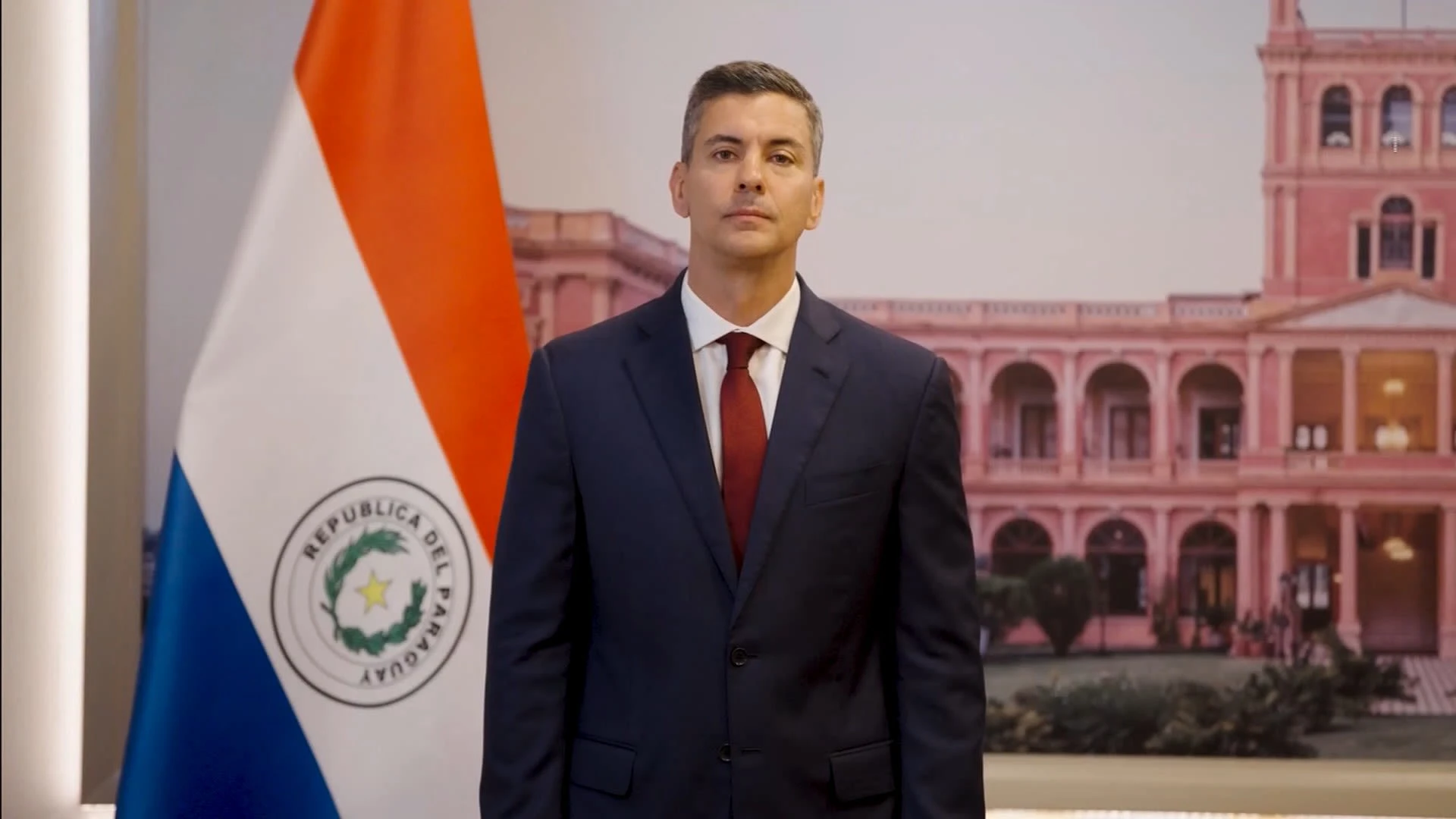
Paraguayan President Santiago Peña stepped down on November 5 following days of turbulent nationwide protests and parliamentary revolt after the central bank froze millions of citizen deposit accounts in the catastrophic failure of digital lender Ueno Bank.





 WORLD
The Republic of Paraguay was convulsed by the most acute institutional and financial catastrophe in its contemporary democratic history on November 5, 2026, when President Santiago Peña submitted his official letter of resignation to the National Congress in Asunción. The dramatic departure followed seventy-two hours of escalating street unrest, police clashes outside government ministries, and an emergency parliamentary impeachment consensus triggered by the sudden regulatory seizure and liquidity collapse of Ueno Bank, the digital banking juggernaut that held accounts for over sixty percent of the country's adult working population.
The unraveling began when the Central Bank of Paraguay (BCP) abruptly placed Ueno into mandatory supervisory resolution after forensic auditors detected an irrecoverable multi-hundred-million-dollar capital deficit linked to aggressive off-balance-sheet digital lending, unsecured fintech portfolios, and irregular real estate collateral valuations. With deposits across nearly three million active accounts frozen instantaneously, ordinary citizens found themselves cut off from daily payroll wages, commercial vendor settlements, and basic retail transactions. Long queues snaked around automated teller machines and branch perimeters across Asunción, Ciudad del Este, and Encarnación before evolving into furious civilian demonstrations demanding immediate state solvency guarantees.
Peña, a former International Monetary Fund economist and former finance minister who had campaigned on modernizing Paraguay's digital financial infrastructure, found his administration irrevocably tainted by its intimate regulatory and promotional associations with the failed institution. Throughout his tenure, executive decrees had favored rapid fintech deregulation and public-sector payroll integration with Ueno. As state prosecutors raided corporate executive suites and issued emergency arrest warrants for senior bank directors attempting to board private flights toward the Southern Cone, key legislative factions within both the governing Colorado Party and the parliamentary opposition announced that impeachment proceedings were inevitable.
'In the face of an extraordinary financial emergency that threatens social peace, monetary sovereignty, and constitutional order, I present my irrevocable resignation to allow our nation to forge a transparent path toward institutional stabilization,' Peña declared in a solemn nationwide televised address broadcast late Thursday evening. In accordance with the Paraguayan Constitution, Vice President Pedro Alliana assumed executive powers before the National Congress, immediately decreeing an emergency domestic financial liquidity backstop backed by sovereign reserves and bilateral emergency swap facilities coordinated with neighboring South American partners.
International rating agencies and multilateral development banks have placed Paraguayan sovereign paper on heightened negative credit watch, underscoring systemic vulnerabilities within fast-growing non-traditional digital banking jurisdictions across emerging economies. Economic historians note that the crisis represents a stark cautionary tale for Latin America's fintech boom, exposing how hyper-accelerated digital financial inclusion without stringent capitalization buffers and independent audit oversight can swiftly transmute into systemic sovereign paralysis.
As security contingents maintain a heightened alert outside the Palacio de los López and the National Congress, civil society groups and labor confederations have demanded full forensic audits of all state pension funds and public treasuries tied to the banking sector. The fall of the Peña administration reverberates across South America, underscoring how volatile macroeconomic cross-currents and financial opacity continue to challenge democratic governance throughout the hemisphere.
Claire Hudson covers lifestyle trends, wellness, and social behavior, focusing on how daily habits influence long-term wellbeing.
Just for You
 WORLD
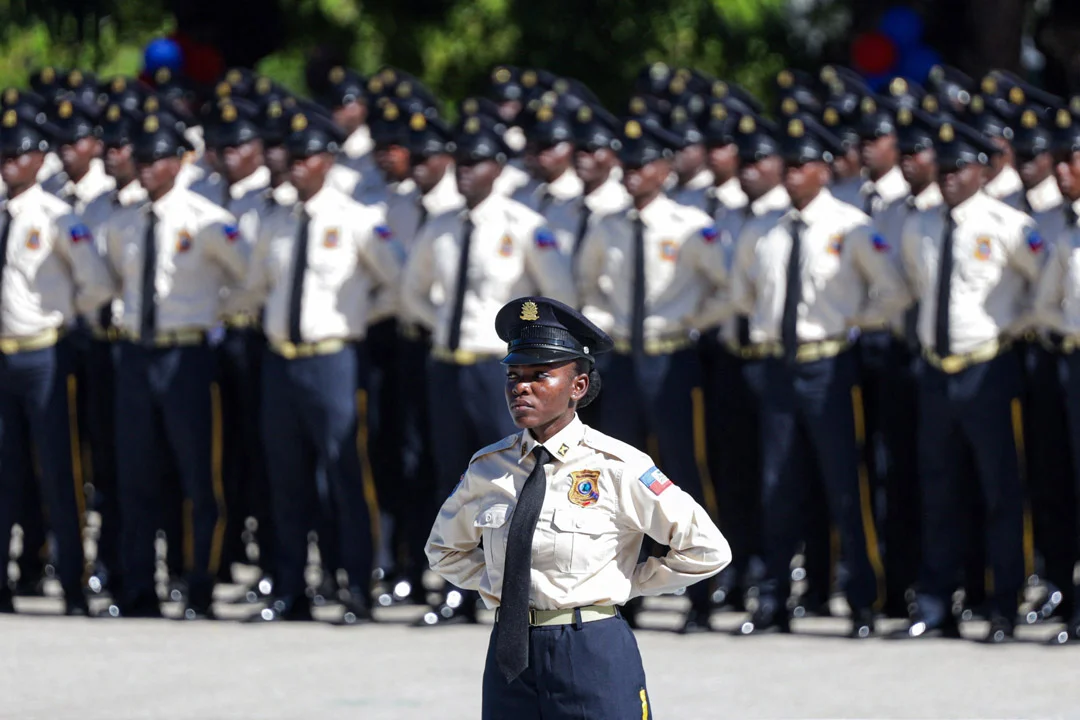
Haitian National Police Neutralize Over Thirty Gang Operatives in Major Port-au-Prince Offensive
In one of the most aggressive state law-enforcement operations of 2026, specialized tactical units of the Hait…
 WORLD
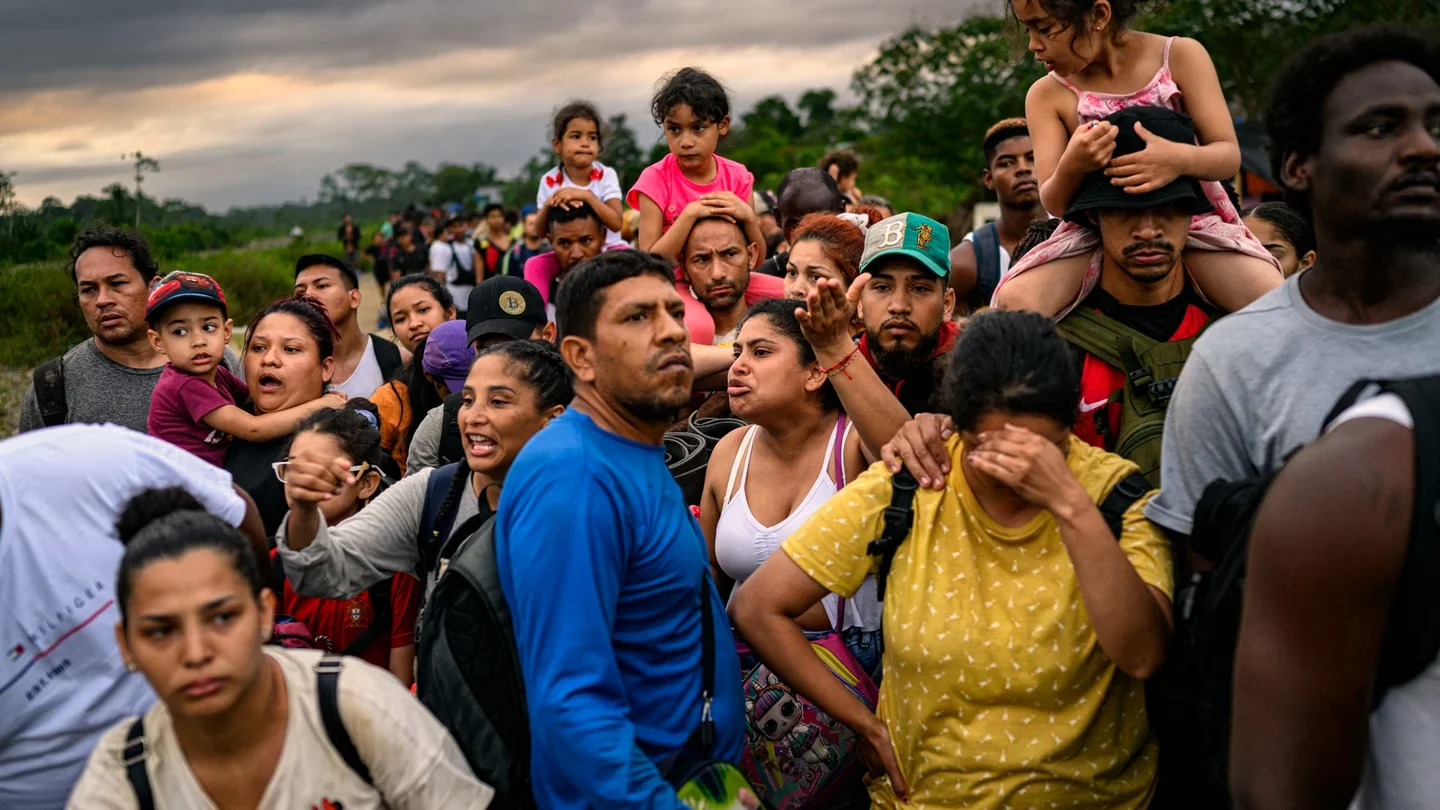
IOM Reports Darien Gap Migrant Crossings Plunge 90 Percent as South American Routes Shift Toward Brazil
A groundbreaking report published by the International Organization for Migration (IOM) on November 18, 2026, …
 WORLD
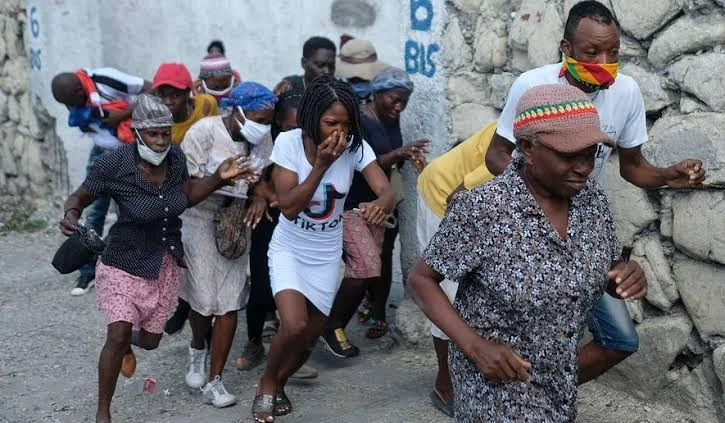
Haitian Citizens Take to Streets in Historic Rallies Demanding El Salvador Security Forces Deployment
In an extraordinary public mobilization on November 17–18, 2026, thousands of Haitian citizens marched across …
 WORLD
Pope Leo XIV Concludes Monumental South American Tour with 1.5 Million Faithful at Lima Las Palmas Base
In an awe-inspiring culmination to his twelve-day apostolic pilgrimage across Uruguay, Argentina, and Peru, Po…
Comments (0)
Sign in or create an account to leave a comment.