



Peru Election Ignores Illegal Mining Crisis
Illegal mining crisis overlooked in Peru election campaigns.





 WORLD
WORLDElection Campaign Overlooks Illegal Mining Crisis
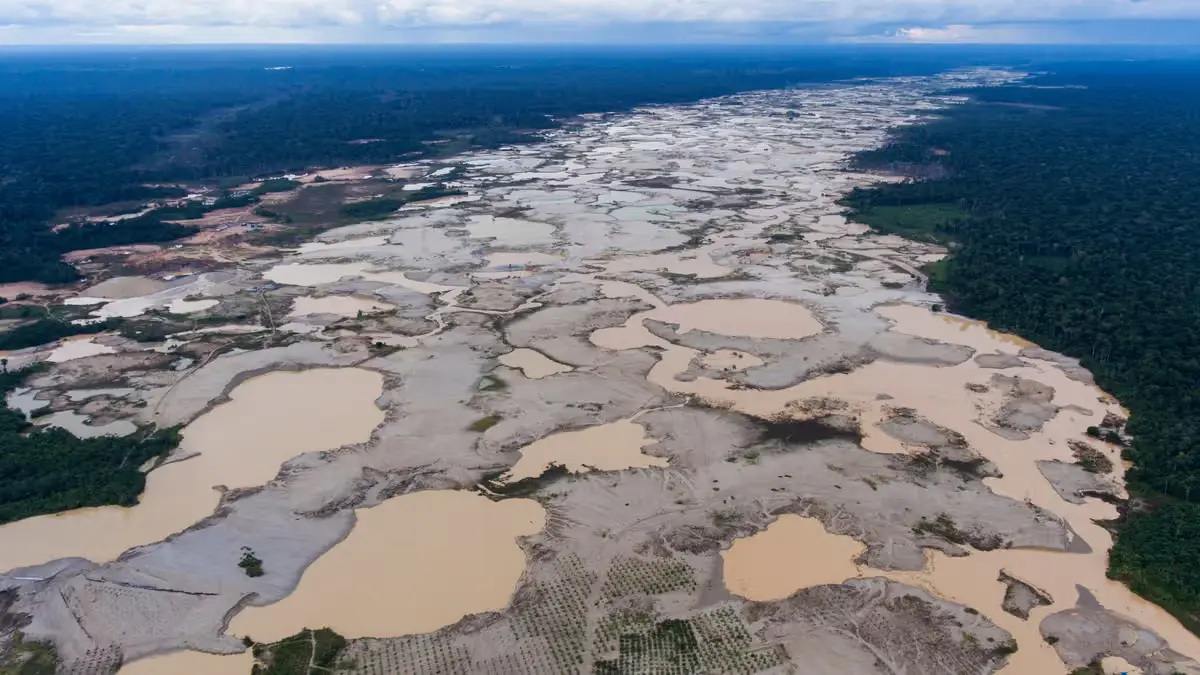
BOGOTA, Colombia (AP) — Peruvians head to the polls Sunday to elect a new president and Congress, but illegal mining — a major driver of deforestation and mercury pollution — has received little attention on the campaign trail, even as it spreads deeper into the Amazon and Indigenous territories. Experts warn the gap reflects a broader failure to confront what has become the country’s largest illicit economy, with growing impacts on the environment, public health and Indigenous communities.
Economic Scale and Policy Gaps
According to projections by the Peruvian Institute of Economics, illegal mining generated more than $11.5 billion in 2025 and over 100 tons of gold exports — rivaling the formal sector and surpassing drug trafficking. Some candidates’ proposals include measures such as gold traceability, financial intelligence and protections for environmental defenders, but these remain fragmented and fall short of a comprehensive strategy. Many other candidates focus on security or economic growth without directly addressing illegal mining or its links to corruption and territorial control.
Environmental and Health Impacts
Illegal mining has grown rapidly, fueled by soaring gold prices reaching up to $5,000 per ounce. Once concentrated in regions such as Madre de Dios, it has spread across the Amazon. The use of mercury in gold extraction contaminates rivers and enters the food chain through fish, posing severe neurological risks. In Amazonian communities, where fish make up a large portion of diets, exposure levels are particularly high, raising concerns about long-term public health and environmental damage.
Weak Enforcement and Growing Pressure
Experts say enforcement efforts remain insufficient, with gaps in regulation allowing illegally mined gold to enter legal supply chains. Legislative changes have weakened prosecutors’ ability to pursue organized crime, while informal mining registries have been widely abused. Analysts highlight the lack of coordinated systems to track gold production and flows, pointing to weak traceability and limited political will. As illegal mining continues to expand, the next government will face mounting pressure to address a crisis that threatens biodiversity, public health and Indigenous communities.
Focuses on international relations, global trade, and geopolitical developments.

Just for You
 WORLD
WORLDLatin American Business Travel Spending Surges Toward Record $67.7 Billion Amid Regional Corporate Expansion
Business travel spending in Latin America is forecast to hit a record $67.7 billion in 2026, an 11% annual inc…
 WORLD
WORLDPan American Health Organization Validates Chile as First South American Nation to Eliminate Dog-Mediated Rabies
PAHO and WHO officially certified on September 29, 2026, that Chile has eliminated dog-transmitted rabies, bec…
 WORLD
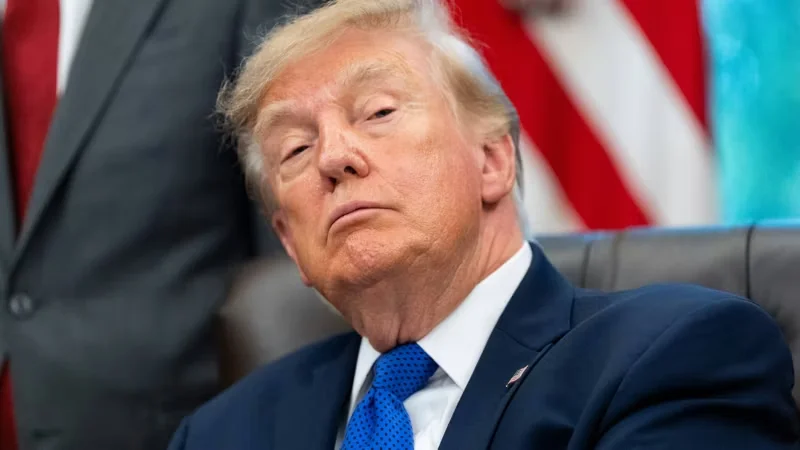
WORLDUnited States Revokes Visas for 27 Latin American Officials Under Shield of the Americas Anti-Corruption Mandate
The U.S. State Department revoked visas for 27 Latin American officials and family members from Bolivia, Colom…
 WORLD
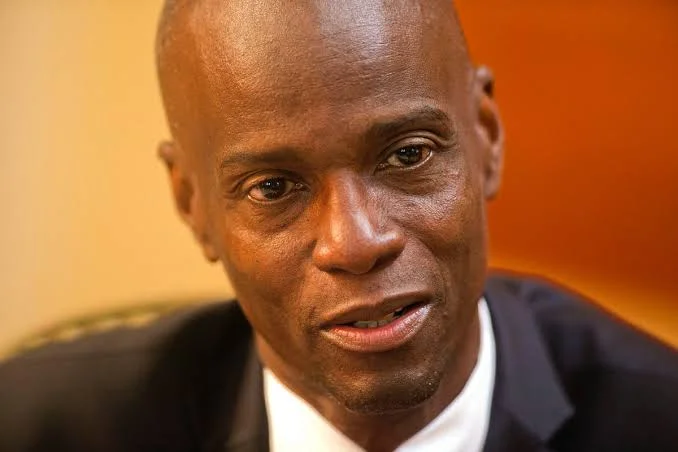
WORLDEighteen Suspects in Jovenel Moïse Assassination Extradited to United States as Judicial Cooperation Expands
Eighteen key suspects in the 2021 assassination of Haitian President Jovenel Moïse were extradited to the Unit…
Comments (0)
Sign in or create an account to leave a comment.