

Raúl Castro Reappears at Cuban Military Event After Health Rumors
Former Cuban President Raúl Castro has reappeared at a military ceremony after reports of hospitalization and growing speculation about his health.

 WORLD
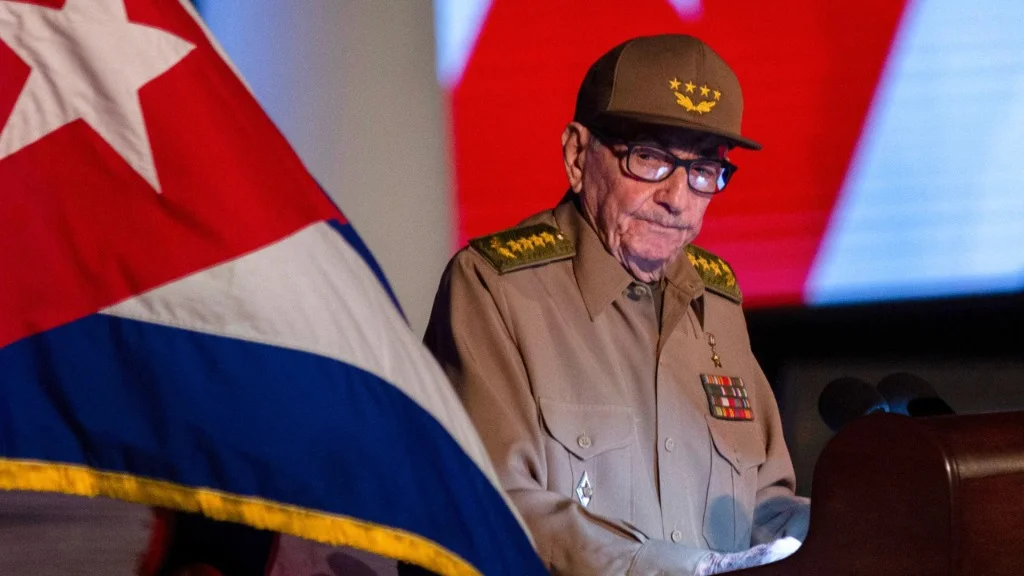
WORLDCuban ex-President Raul Castro made his first widely reported public appearance since Aug. 13, showing up at a military ceremony after days of speculation about his health. The 95-year-old former leader appeared on Cuban state television participating in a ceremony to celebrate the anniversary of the Personal Security Directorate, the branch of the military that safeguards the country’s top leadership.
Castro stood with his grandson and bodyguard Raúl Guillermo Rodríguez Castro in his trademark olive-green military uniform. He was filmed walking with senior military officials, then sitting in the front row of an indoor venue. He was also seen accepting a commemorative certificate during the ceremony and greeting the attendees.
The appearance was significant because Castro missed a major July celebration of the anniversary of the Cuban Revolution, an occasion on which he was expected to appear. His absence sparked reports and speculation about his condition, although Cuban authorities had not publicly provided details about his health.
The new footage thus provided a rare public look at the former leader and seemed to dispel the worst speculation about his disappearance from public view.
Castro’s Continued Symbolic Role Highlighted in Military Ceremony
The ceremony was held to mark the 65th anniversary of Cuba’s Personal Security Directorate, an agency tasked with protecting the country’s top officials. President Miguel Díaz-Canel was also in attendance, later posting pictures from the event showing himself with Raúl Castro.
It was a "honor" for him to participate in the ceremony with Army General Raúl Castro, Diaz-Canel said. The selection of a military security institution was especially appropriate considering Castro’s long career in Cuba’s armed forces and historical role in the country’s revolutionary government.
Castro is no longer president or even a formal leader of the Communist Party, but his presence remains politically and symbolically important. In 2018 he retired from the presidency and finally gave up the first secretaryship of the Communist party, the formal generational transfer of political power in Cuba.
But his presence at top state and military ceremonies still draws notice because of his historical role and ties to the revolutionary leadership established by his brother Fidel Castro.
His meeting with Díaz-Canel was also a reminder of the continuing presence of the older generation of revolutionaries within Cuba’s political establishment, even as the country’s current leadership faces mounting economic and diplomatic challenges.
Health Rumors Grow as Castro Stays Out of Sight
Speculation had been mounting about Raúl Castro’s health in his absence from public events. Reports outside Cuba have suggested the former president suffered serious health problems, while Cuban officials have largely been silent on the claims.
The lack of official information exacerbated uncertainty over his condition. Castro's age and his rarity in the public eye have made any long absence particularly noticeable, especially when it coincides with important national ceremonies.
State television footage contained no medical assessment or explanation of the reasons for his recent absence. Instead, it showed Castro attending the military event and mingling with officials. This gives the appearance significance mainly as proof he was able to attend the ceremony, rather than as confirmation of any particular details about his health.
Castro’s return comes at a particularly difficult time for Cuba. The island has suffered serious economic hardship, energy shortages and long blackouts, and its ties to Washington have turned sour. Recent U.S. sanctions have put more pressure on the Cuban government and its economy.
In that context, any public appearance by one of Cuba's most prominent revolutionary figures is closely monitored, both inside and outside the island.
Raúl Castro Reemerges as Tensions Rise Between U.S. and Cuba
Castro’s reappearance comes amid soaring tensions between Havana and Washington. His grandson Raul Guillermo Rodriguez Castro took part in talks with the United States earlier this year, but they have since stalled. The talks were held against the backdrop of an intensified U.S. economic and energy pressure campaign against Cuba.
The United States has also continued to expand its sanctions on Cuban entities and individuals. Washington announced additional steps against several Cuban companies and another grandson of Raúl Castro, Fidel Ernesto Castro, on Sept. 3, as part of its wider pressure campaign against the Cuban government.
Washington, too, is facing legal pressure from Raúl Castro. The U.S. Department of Justice charged him with murder in June in connection with the 1996 downing of aircraft operated by the anti-Castro group Brothers to the Rescue.
But even with all those tensions, Castro was making his latest appearance for a domestic military ceremony, not for international relations. The footage offered no sign he was returning to an official political role. Rather, it showed a retired leader very much a part of the Cuban revolutionary and military establishment.
The appearance offers a visible answer to recent speculation about Castro's whereabouts, though broader questions about his health and his future public role remain unanswered.
Focuses on international relations, global trade, and geopolitical developments.

Just for You
 WORLD
WORLDLatin American Business Travel Spending Surges Toward Record $67.7 Billion Amid Regional Corporate Expansion
Business travel spending in Latin America is forecast to hit a record $67.7 billion in 2026, an 11% annual inc…
 WORLD
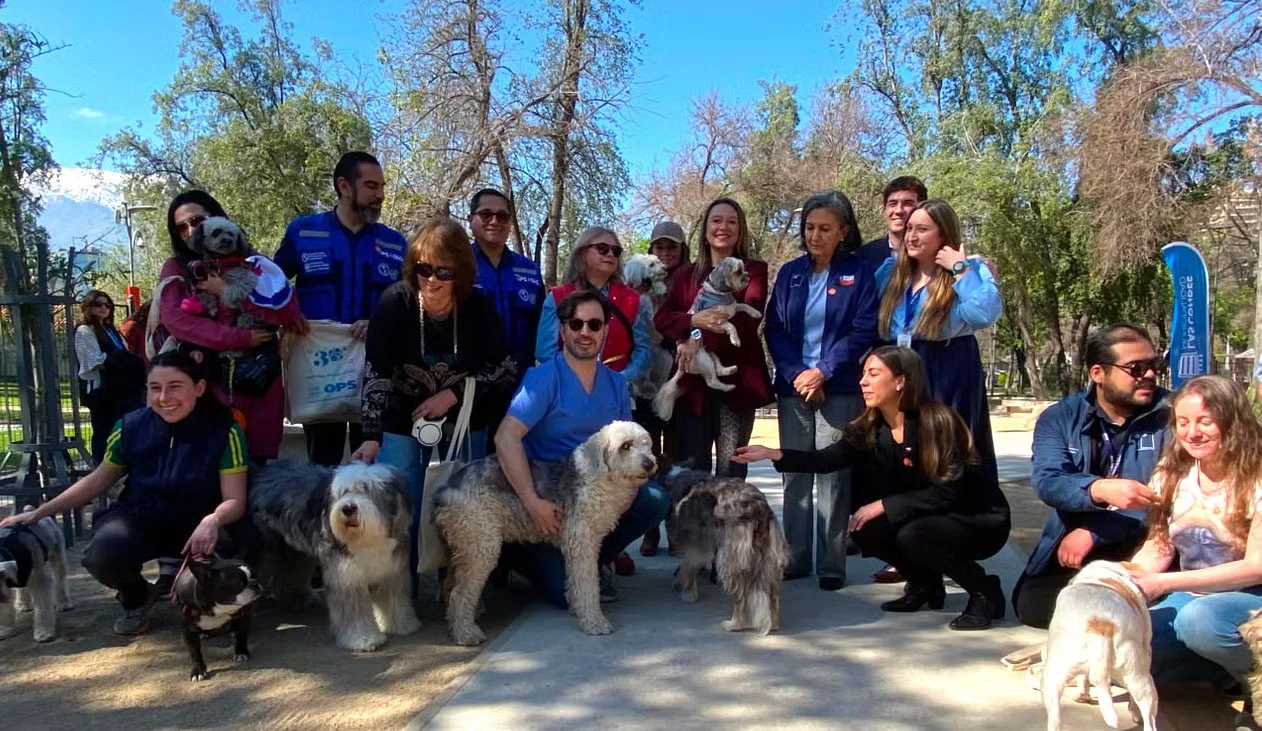
WORLDPan American Health Organization Validates Chile as First South American Nation to Eliminate Dog-Mediated Rabies
PAHO and WHO officially certified on September 29, 2026, that Chile has eliminated dog-transmitted rabies, bec…
 WORLD
WORLDUnited States Revokes Visas for 27 Latin American Officials Under Shield of the Americas Anti-Corruption Mandate
The U.S. State Department revoked visas for 27 Latin American officials and family members from Bolivia, Colom…
 WORLD
WORLDEighteen Suspects in Jovenel Moïse Assassination Extradited to United States as Judicial Cooperation Expands
Eighteen key suspects in the 2021 assassination of Haitian President Jovenel Moïse were extradited to the Unit…
Comments (0)
Sign in or create an account to leave a comment.