



Bolivian Congress Approves $1.9 Billion IMF Facility to Address Acute Foreign Currency Shortage
Bolivia's Congress has approved a crucial $1.9 billion IMF and multilateral financing package on September 19, 2026, to alleviate acute foreign currency reserves shortages and stabilize the economy.





 ECONOMY
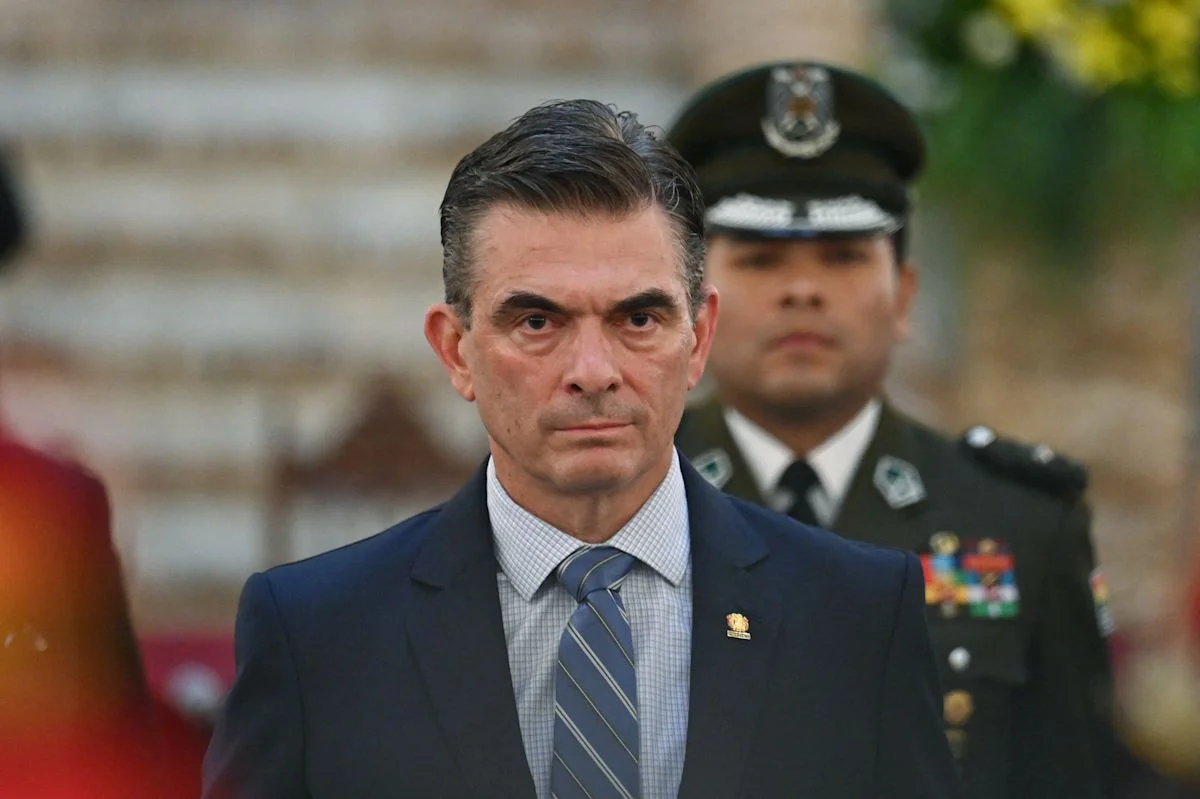
Following days of fierce floor debates, late-night emergency sessions, and union-led street demonstrations outside the legislative palace in La Paz, the Plurinational Legislative Assembly of Bolivia officially passed a landmark bill on September 19, 2026, approving a $1.9 billion credit package backed by the International Monetary Fund (IMF) and multilateral development lenders.
The emergency financial facility is intended to replenish Bolivia’s critically depleted international net foreign reserves, stabilize the national currency (the boliviano), and finance vital imports of petroleum fuels, pharmaceuticals, and agricultural fertilizers. For more than eighteen months, Bolivia has contended with severe hard-currency liquidity shortages, sparking extensive retail lines at banking institutions, localized diesel supply bottlenecks, and escalating inflationary pressures that threatened broader macroeconomic stability.
Under the terms approved by lawmakers, the multilateral funding will be disbursed in staggered quarterly tranches conditioned on fiscal governance benchmarks, structural expenditure reviews, and enhanced central bank reporting transparency. While conservative and centrist blocs rallied behind the measure as an unavoidable lifeline to avoid sovereign default, leftist factions aligned with indigenous peasant federations organized blockades across major inter-departmental highways, warning against austerity conditionalities.
Stabilizing Net Reserves and Energy Import Logistics
Bolivia's Ministry of Economy and Public Finance moved quickly to calm market anxieties, stating that the initial liquidity injection will be immediately deployed to clear outstanding arrears with regional refined-fuel providers and guarantee uninterrupted energy supplies for the upcoming national harvest season.
"This financial agreement represents a pragmatic, responsible bridge to safeguard our domestic economy, protect family purchasing power, and guarantee the uninterrupted supply of essential energy resources," stated Minister of Economy Marcelo Montenegro during an address to financial executives in Santa Cruz de la Sierra. "We have negotiated terms that protect essential public subsidies for working-class families while restoring the central bank’s operational capacity."
Financial analysts observed that Bolivia’s foreign exchange crunch stems fundamentally from declining production at legacy natural gas fields, which historically generated the lion's share of sovereign export revenues. With gas export volumes to Brazil and Argentina tapering off, the government is rushing to diversify state revenues toward lithium industrialization, gold commercialization, and non-traditional agricultural exports.
Market Reaction and Regional Economic Spillover
International sovereign bond markets reacted favorably to news of the legislative ratification, with Bolivian sovereign debt yielding modest price recoveries across Frankfurt and New York trading desks. Regional trade partners in the Southern Common Market (Mercosur) also welcomed the resolution, noting that prolonged economic instability in Bolivia risks disrupting cross-continental logistics corridors connecting Atlantic ports to the Pacific.
However, civic organizations and trade unions have signaled that their scrutiny of the loan implementation will be uncompromising. Labor syndicates scheduled general assemblies across El Alto and Cochabamba to monitor fiscal negotiations, underscoring the delicate political equilibrium required to implement macro stabilization in the Andean country heading into late 2026.
Covers macroeconomic trends, financial markets, and global economic policy developments.

Just for You
 ECONOMY
Argentina Launches Milestone 'Passports-for-Investment' Framework to Bolster Central Bank Foreign Reserves
Argentina enacted a landmark citizenship-for-investment decree on October 3, 2026, offering nationality for a …
 ECONOMY
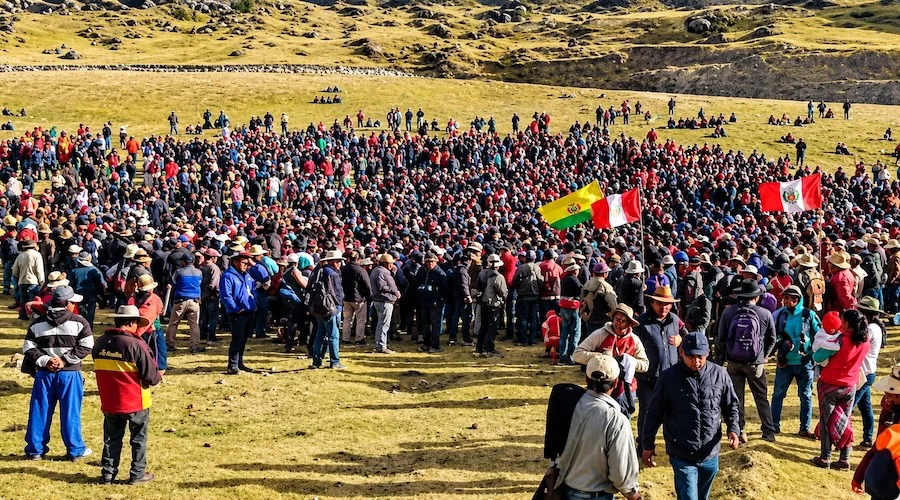
Latin American Mining Summit Warns Community Disputes and Regulatory Bottlenecks Stall Over $54 Billion in Capital Investments
A landmark mining report released on September 29, 2026, revealed that environmental permitting delays and com…
 ECONOMY
Global Rating Agencies and Regional Banks Warn of Fiscal Adjustment Pressures Across Latin America Ahead of October Elections
International financial agencies and regional banks warned on September 28, 2026, that mounting public deficit…
 ECONOMY
Geely Rolls Out First Brazil-Manufactured Vehicle as Chinese EV Makers Surpass 25% Market Share
Geely has produced its first vehicle in Brazil as Chinese EV manufacturers capture over 25 percent of the coun…
Comments (0)
Sign in or create an account to leave a comment.