



White House Reveals Terms of Major Venezuela Oil Deal With North American Blue Energy Partners
The White House has released details of a major Venezuela oil agreement involving North American Blue Energy Partners, US government participation and long-term energy development plans.





 ECONOMY
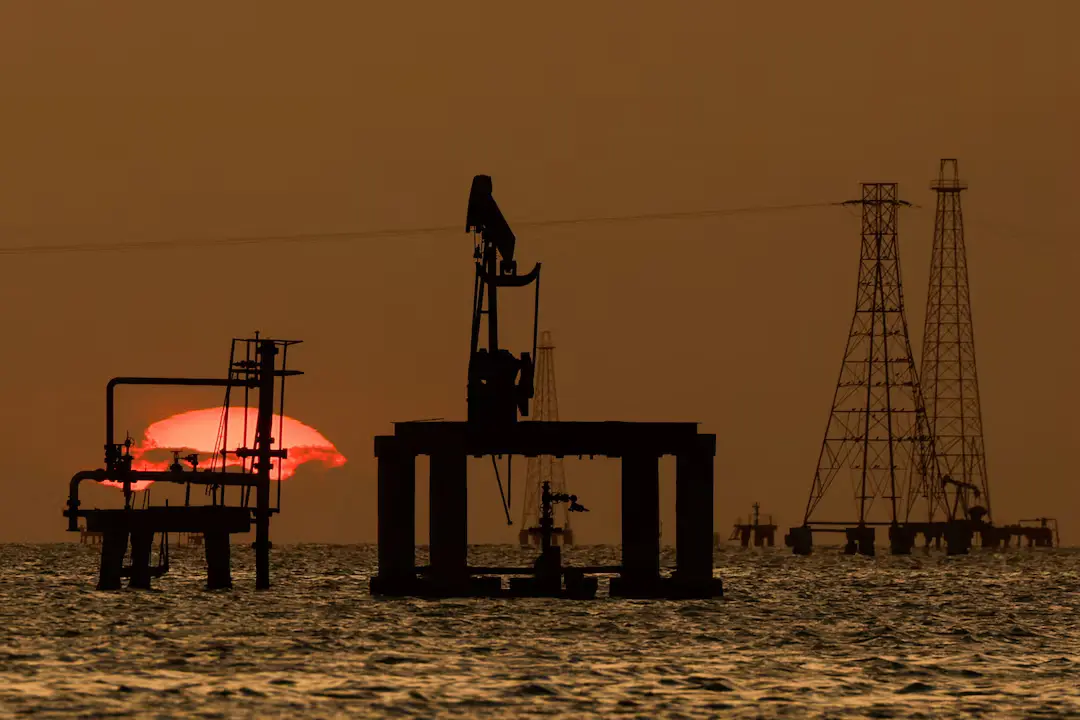
The White House has provided more details about a major oil deal with Venezuela and North American Blue Energy Partners (NABEP). It details a long-term collaboration to increase oil output, bring in investments and grow US involvement in Venezuela’s energy industry.
It is one of the biggest moves in decades in U.S.-Venezuelan energy relations. The Trump administration said the deal is a move to boost energy security and revive the struggling oil industry of Venezuela.
But the deal has raised questions from energy analysts and legal experts over transparency, investment risks and the long timeline to repair Venezuela's broken oil infrastructure.
White House Lifts Veil on Venezuela Oil Deal
The White House said the deal grants NABEP long-term rights to develop 17 Venezuelan oil fields with an estimated 65 billion barrels of proven reserves.
The deal is intended to bring new investment into Venezuela’s oil sector, which has suffered from years of falling output, decaying infrastructure and a lack of foreign investment.
The partnership would bring back production capacity and boost U.S. access to Venezuelan crude supplies, the administration said.
The White House called the deal "a major step forward on energy security and economic recovery for Venezuela".
Pentagon Joins Energy Partnership
The most interesting part of the deal, perhaps, is the alleged involvement of the U.S. government.
The Pentagon would have a 35% ownership stake in a new company related to the Venezuela oil project and the US government would have a big role in oversight under the announced structure.
Reports on the structure of the deal said the State Department also would get assurances of future oil purchases from the project.
The deal is being closely followed by industry observers as one of the few cases of direct government involvement in a foreign energy investment.
The agency provides strategic oversight and helps to protect US interests, its supporters say, but critics wonder if government involvement could impede commercial operations.
Oil Field Development: NABEP to Lead
North American Blue Energy Partners will be the project’s main operating partner.
Venezuelan businessman Alejandro Betancourt expanded the company into one of the country’s biggest private oil operators.
NABEP is planning to boost its drilling activity to raise output from Venezuelan oil fields through new infrastructure investments, according to reports.
The company plans to develop more drilling equipment and bring production capacity back on line at fields that have suffered years of underinvestment.
Venezuela’s Oil Industry Encounters Big Obstacles
Venezuela has the world's largest proven oil reserves but output has collapsed over the last decade.
The country’s energy infrastructure has been impacted by:
- Old equipment
- Easy to maintain
- International sanctions
- Agitation in politics
- Investment from abroad is lower
The deal is meant to solve these problems by bringing in fresh capital and technical know-how.
But energy analysts say it will take years and a massive investment to rebuild Venezuela’s oil sector.
Major oil projects require a great deal of infrastructure – pipelines, processing plants, transport and skilled labor.
The US Administration is Asserting its Energy Security Goals
The Trump administration has touted the deal as part of a broader effort to improve US energy security.
The White House said the deal would provide access to huge reserves of oil while helping Venezuela's economic recovery.
Officials say the additional Venezuelan production could help steady energy markets and underpin supply chains.
The announcement comes amid global energy uncertainty, with oil markets shaken by geopolitical tensions and conflicts involving major producers.
Critics Question Legal, Investment Risk
The deal has government backing but has been questioned by legal and energy experts.
Some experts have raised concerns about the legal basis, transparency and long-term viability of the deal.
Concerns are:
- Legality of long-term contracts for oil rights
- U. S. government agencies and their role in commerce operations
- Political risk in Venezuela
- The challenge of attracting more foreign investment
Analysts say companies seeking to invest in Venezuela will consider factors like political stability, contract protections and the condition of the oil infrastructure before making major investments.
Potential Impact on World Oil Markets
An oil partnership with Venezuela could dramatically change the country’s role in the global energy scene.
Venezuela is one of the world’s largest oil producers, although production has dropped far below previous levels.
A successful recovery effort might eventually add to global crude supplies, helping Venezuela’s standing with the world’s big oil exporters.
Analysts, however, warn against expecting production growth to come overnight.
Restoring damaged oil fields and increasing production will require years of investment and technical work.
Venezuela Bets on Oil to Drive Economic Recovery
The deal could offer a route to rebuilding Venezuela’s most important industry.
The Venezuelan economy is very dependent on oil, which accounts for most export earnings.
The economic difficulties, inflation and fall in government revenue were caused by the collapse of the sector.
Supporters of the deal argue increased investment in oil could mean more jobs, greater government revenue and improved economic conditions.
Critics say, however, that Venezuela’s underlying economic and institutional problems must be fixed for the country to have a lasting recovery.
The US’s Venezuela New Approach
The oil deal marks a major change in the relationship between Washington and Caracas.
Sanctions and political pressure have always been the main tools of US policy in Venezuela.
The new partnership is an effort to build up energy-based economic ties, including production and investment.
The deal also comes as Washington looks to secure energy supplies and reduce dependence on volatile global supply chains.
What’s Coming Next?
The success of the Venezuela oil deal will depend on variables such as the execution of investments, political stability and the ability to fix damaged infrastructure.
The White House has hailed the deal as a historic energy partnership but critics are skeptical about its makeup and long term consequences.
Now, NABEP and U.S. officials have to work to turn the accord into real production growth.
The Venezuela oil deal is one of the most ambitious energy partnerships in recent years, but its success will depend on whether investment, infrastructure rebuilding and political stability can keep pace with the plan.
Covers macroeconomic trends, financial markets, and global economic policy developments.

Just for You
 ECONOMY
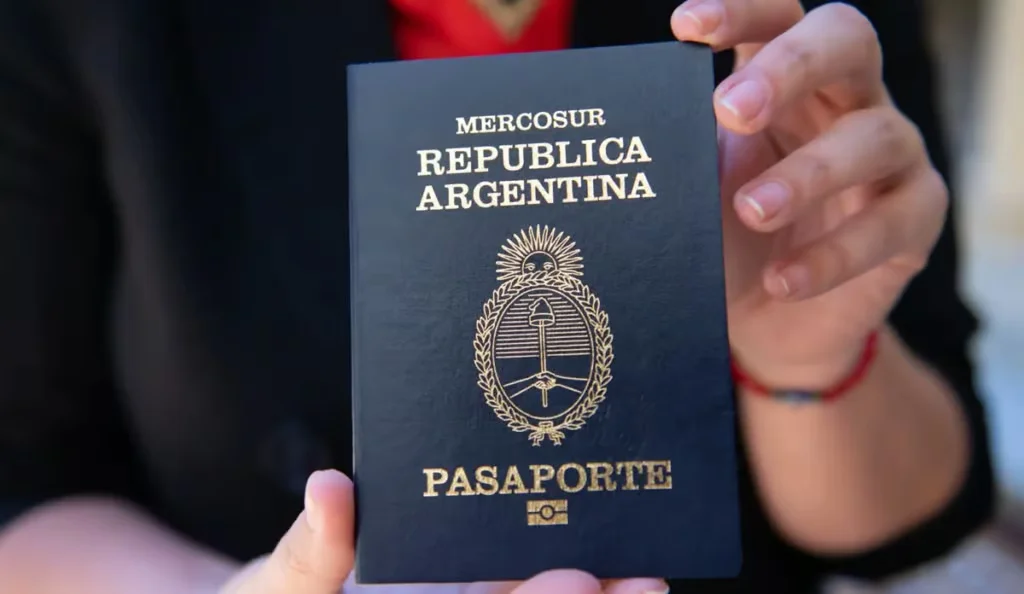
Argentina Launches Milestone 'Passports-for-Investment' Framework to Bolster Central Bank Foreign Reserves
Argentina enacted a landmark citizenship-for-investment decree on October 3, 2026, offering nationality for a …
 ECONOMY
Latin American Mining Summit Warns Community Disputes and Regulatory Bottlenecks Stall Over $54 Billion in Capital Investments
A landmark mining report released on September 29, 2026, revealed that environmental permitting delays and com…
 ECONOMY
Global Rating Agencies and Regional Banks Warn of Fiscal Adjustment Pressures Across Latin America Ahead of October Elections
International financial agencies and regional banks warned on September 28, 2026, that mounting public deficit…
 ECONOMY
Bolivian Congress Approves $1.9 Billion IMF Facility to Address Acute Foreign Currency Shortage
Bolivia's Congress has approved a crucial $1.9 billion IMF and multilateral financing package on September 19,…
Comments (0)
Sign in or create an account to leave a comment.