



World Bank and IDB Economic Reports Highlight Clean Energy and Critical Minerals as Keys to Unlocking Latin America's Growth
World Bank and IDB reports released on October 11, 2026, forecast 2.2% growth for Latin America, highlighting clean energy and critical minerals as the continent's primary economic engines.





 ECONOMY
As finance ministers, central bank governors, and development economists prepare to convene for global multilateral autumn gatherings, comprehensive macroeconomic reports released jointly by the World Bank and the Inter-American Development Bank (IDB) on October 11, 2026, outline a defining strategic blueprint for Latin America and the Caribbean, projecting modest 2.2 percent regional economic expansion while emphasizing that the global clean energy transition offers an unprecedented window to escape structural low-growth traps.
The economic updates highlight a notable macroeconomic contrast across the hemisphere. On one hand, regional central banks have demonstrated world-class monetary credibility, successfully taming post-pandemic inflationary surges through disciplined, early interest rate adjustments. On the other hand, traditional economic heavyweights—including Brazil and Mexico—are expanding at moderate paces of 2.1 percent and 1.4 percent, constrained by fiscal deficits, tight sovereign credit conditions, and elevated public debt ratios hovering near 60 to 75 percent of GDP.
Conversely, a dynamic cluster of medium-sized economies executing bold structural modernization and capital deregulation—notably Paraguay (4.7 percent), the Dominican Republic (4.7 percent), El Salvador (4.5 percent), and Panama (4.2 percent)—are expanding at more than double the continental average, demonstrating that institutional agility and foreign direct investment incentives can yield outsized economic performance.
The Geostrategic Critical Minerals and Energy Advantage
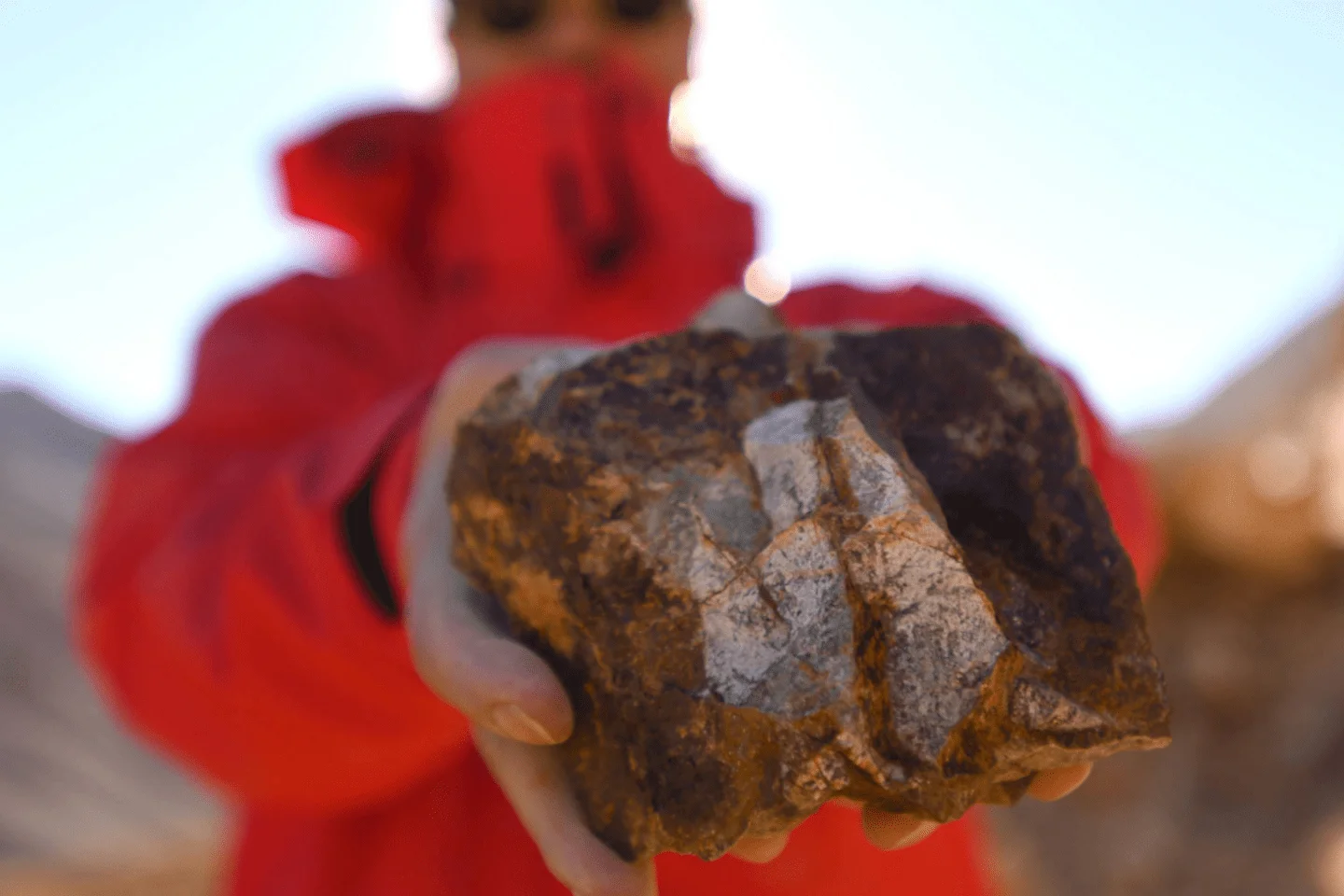
The core analytical centerpiece of the IDB and World Bank assessments focuses on Latin America's indispensable natural endowment in the global shift toward decarbonization and technological digitization. The region commands approximately 50 percent of the planet's identified lithium reserves, 35 percent of global copper resources, and over 20 percent of critical rare-earth deposits—minerals without which global electric vehicle manufacturing, wind turbine deployment, and artificial intelligence data centers cannot function.
"Latin America holds the master keys to the twentieth-first century global energy transition," declared World Bank Vice President for Latin America Carlos Felipe Jaramillo during an executive economic briefing in Washington. "However, geological wealth alone does not guarantee shared prosperity. If our nations merely export raw mineral ores without developing domestic processing industries, battery-grade chemical refining, and transparent environmental governance, the region risks repeating historic boom-and-bust commodity cycles."
The report estimates that mobilizing over $85 billion in annual private greenfield investments into regional clean power grids, green hydrogen corridors, and mineral processing could permanently lift baseline Latin American annual GDP growth by an additional 1.8 percentage points through 2035.
Navigating Global Trade Uncertainties and Fiscal Consolidation
The multilateral lenders cautioned regional governments against fiscal complacency. With global sovereign borrowing rates expected to remain higher for longer, finance ministries must modernize tax compliance, eliminate duplicate administrative subsidies, and build transparent regulatory frameworks to attract multinational capital without destabilizing public debt trajectories.
As Latin America navigates an era of shifting global trade alliances and geopolitical realignments, the findings presented by the World Bank and IDB reinforce that disciplined fiscal governance combined with sustainable critical mineral industrialization represents the continent's most promising pathway to enduring economic prosperity.
Covers macroeconomic trends, financial markets, and global economic policy developments.

Just for You
 ECONOMY
Argentina Launches Milestone 'Passports-for-Investment' Framework to Bolster Central Bank Foreign Reserves
Argentina enacted a landmark citizenship-for-investment decree on October 3, 2026, offering nationality for a …
 ECONOMY
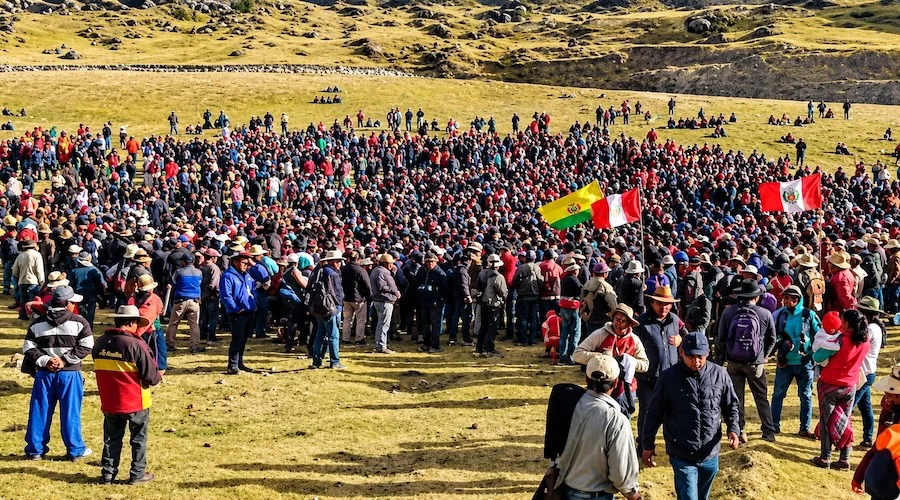
Latin American Mining Summit Warns Community Disputes and Regulatory Bottlenecks Stall Over $54 Billion in Capital Investments
A landmark mining report released on September 29, 2026, revealed that environmental permitting delays and com…
 ECONOMY
Global Rating Agencies and Regional Banks Warn of Fiscal Adjustment Pressures Across Latin America Ahead of October Elections
International financial agencies and regional banks warned on September 28, 2026, that mounting public deficit…
 ECONOMY
Bolivian Congress Approves $1.9 Billion IMF Facility to Address Acute Foreign Currency Shortage
Bolivia's Congress has approved a crucial $1.9 billion IMF and multilateral financing package on September 19,…
Comments (0)
Sign in or create an account to leave a comment.