



United States Revokes Visas for 27 Latin American Officials Under Shield of the Americas Anti-Corruption Mandate
The U.S. State Department revoked visas for 27 Latin American officials and family members from Bolivia, Colombia, Ecuador, and Peru on September 29, 2026, citing corruption and narcotics ties.





 WORLD
WORLDThe United States Department of State officially announced on September 29, 2026, the sweeping revocation of entry visas for twenty-seven high-ranking Latin American officials, former lawmakers, and their immediate family members from Bolivia, Colombia, Ecuador, and Peru, citing credible evidence of involvement in significant public corruption, money laundering, and complicity with transnational narcotics trafficking networks.
The punitive action represents the most aggressive enforcement decree executed to date under Washington's expanding "Shield of the Americas" hemispheric security and judicial architecture. Imposed pursuant to Section 7031(c) of the Department of State, Foreign Operations, and Related Programs Appropriations Act, the sanctions render the designated individuals and their immediate relatives permanently ineligible for entry into the United States, freezing any pending consular filings and triggering financial oversight notifications across federal banking compliance databases.
According to State Department briefings, the sanctioned individuals include senior regional judges, former ministerial advisors, provincial customs superintendents, and logistics operators accused of facilitating illicit precursor chemical diversions, obstructing high-level judicial inquiries, and shielding cartel-controlled maritime shipping lanes along the Pacific and Andean river corridors.
Enforcing Accountability Along Strategic Andean Trade Corridors
Speaking from Washington during a special press briefing, U.S. Assistant Secretary of State for Western Hemisphere Affairs emphasized that systemic corruption remains the single greatest impediment to sovereign governance and economic modernization across Latin America, serving as the connective tissue that enables transnational criminal syndicates to operate with virtual impunity.
"Transnational criminal organizations cannot thrive without political protection, compromised courtrooms, and administrative complicity," the Assistant Secretary declared. "Through the Shield of the Americas initiative, the United States is deploying all lawful diplomatic, consular, and economic tools to ensure that corrupt actors who enrich themselves at the expense of their citizens and subvert regional security face immediate and enduring consequences."
The targeted announcements elicited immediate political repercussions across Andean capitals. In Lima and Quito, anti-corruption prosecutor offices launched expedited administrative inquiries to review whether the named figures hold active security clearances or oversee sovereign public tenders. Meanwhile, civil society transparency watchdogs and anti-corruption federations throughout the region welcomed the targeted visa measures, urging domestic judiciaries to initiate formal criminal proceedings without political interference.
Reinforcing Multilateral Judicial and Intelligence Partnerships
Regional security analysts observe that the visa revocations underscore Washington’s calibrated strategy of combining direct bilateral defense assistance—such as recent maritime surveillance and radar integration packages signed with Andean partner nations—with targeted individual accountability against state officials who undermine institutional integrity.
The Department of State reaffirmed that additional visa restrictions and coordinated financial sanctions under the Global Magnitsky Human Rights Accountability Act remain under active review as multilateral intelligence sharing expands across the Americas. By signaling zero tolerance for institutional complicity with criminal enterprises, the United States aims to fortify the legal, economic, and sovereign foundations of its western hemisphere partners heading into 2027.
Focuses on international relations, global trade, and geopolitical developments.

Just for You
 WORLD
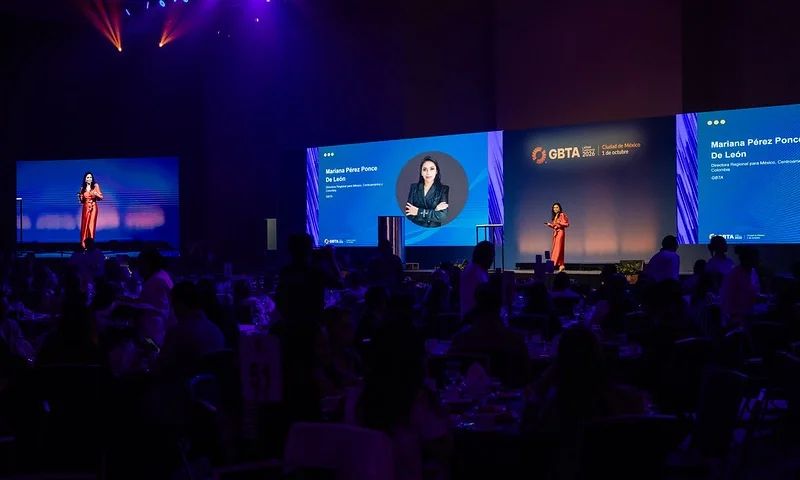
WORLDLatin American Business Travel Spending Surges Toward Record $67.7 Billion Amid Regional Corporate Expansion
Business travel spending in Latin America is forecast to hit a record $67.7 billion in 2026, an 11% annual inc…
 WORLD
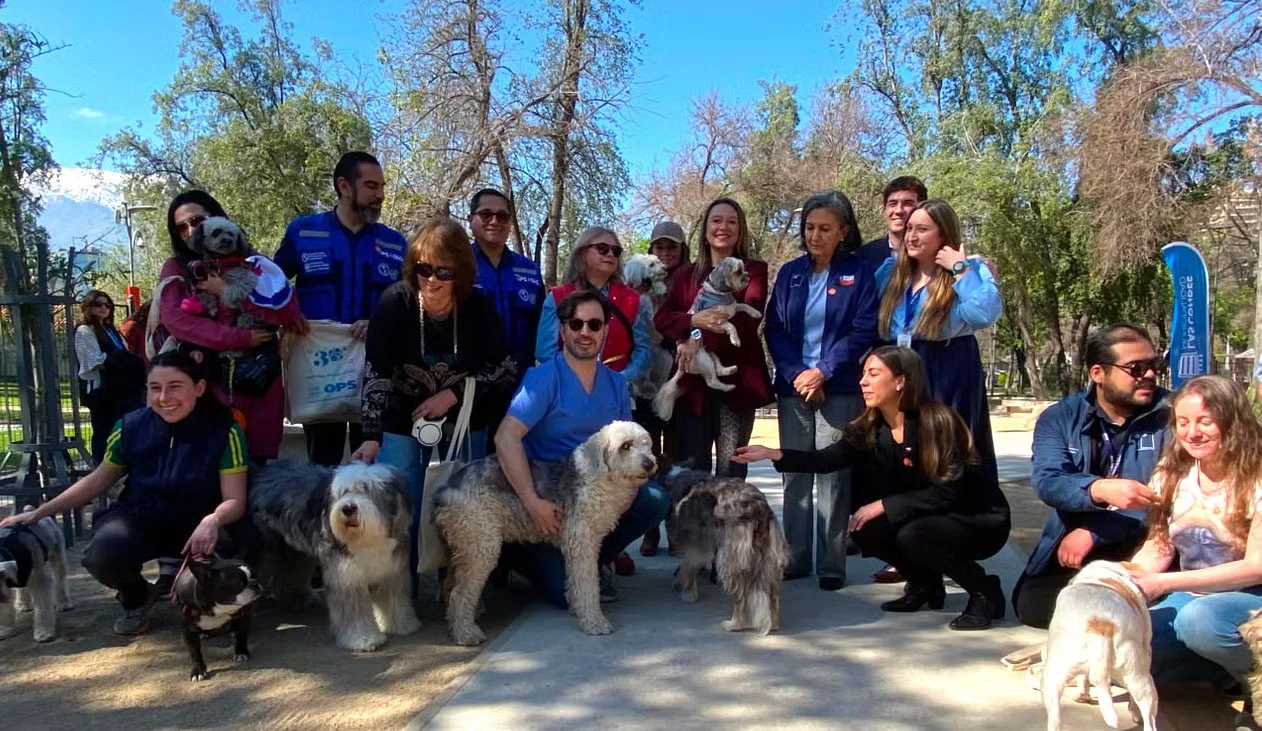
WORLDPan American Health Organization Validates Chile as First South American Nation to Eliminate Dog-Mediated Rabies
PAHO and WHO officially certified on September 29, 2026, that Chile has eliminated dog-transmitted rabies, bec…
 WORLD
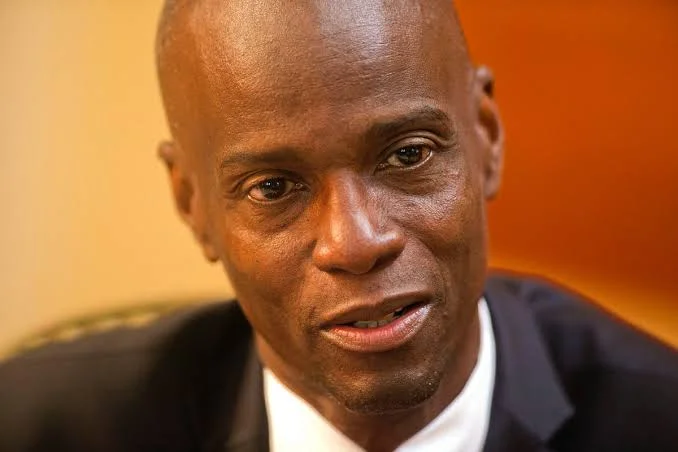
WORLDEighteen Suspects in Jovenel Moïse Assassination Extradited to United States as Judicial Cooperation Expands
Eighteen key suspects in the 2021 assassination of Haitian President Jovenel Moïse were extradited to the Unit…
 WORLD
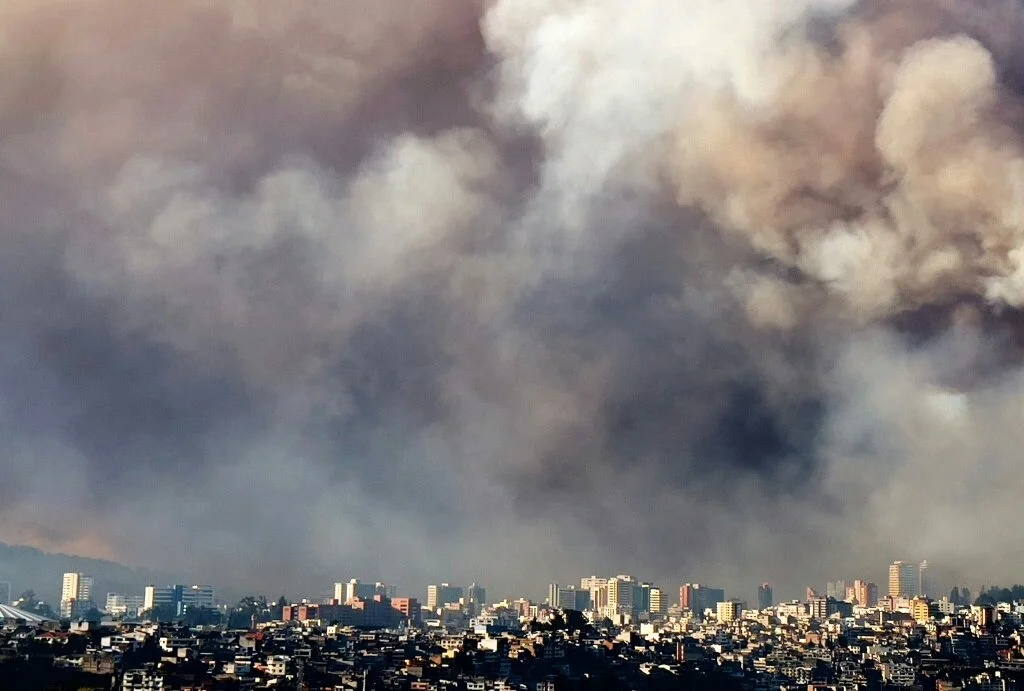
WORLDFierce Wildfires Encroach on Quito as Firefighters and Residents Battle Blazes Across Ecuador Capital
Emergency crews and local residents are battling ferocious forest fires threatening residential neighborhoods …
Comments (0)
Sign in or create an account to leave a comment.